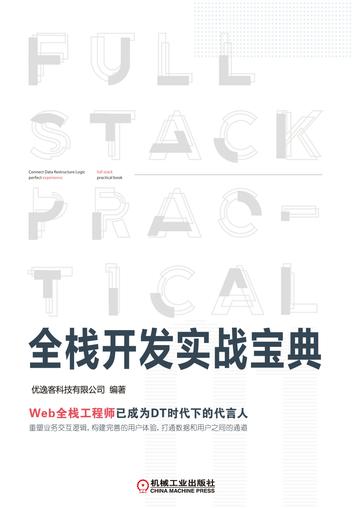
"Full Stack" is translated from the English Full Stack and represents a collection of a series of technologies required to complete a project. At the current stage of the development of the IT industry, to develop a Web application, engineers need to possess skills that include: front-end markup languages (such as HTML 5, CSS 3), front-end programming languages (such as JavaScript), server-side programming languages (such as Node. Js), databases (such as MongoDB), etc. These technologies are interconnected and interdependent, and each one is indispensable. "Full-Stack Development Practical Guide" shares the skill requirements, core competitiveness, future development direction, and thoughts on mobile terminals for full-stack engineers. The content covers all aspects of Web full-stack development. "Full Stack Development Practical Guide" can not only provide an accurate technical roadmap for newcomers in the Internet industry, but also serve as a ready-to-use reference book for programmers in related industries.
Reader comments
This book is very comprehensive and covers all aspects of full-stack web development. It is a good tool book for people who want to become full-stack engineers. The book is rich in cases, detailed explanations, easy to understand, and very suitable for beginners to learn. It also shared the skill requirements and future development directions of full-stack engineers, which is also helpful for career planning. All in all, it is a very practical book.





This book is very comprehensive and covers all aspects of full-stack web development. It is a good tool book for people who want to become full-stack engineers. The book is rich in cases, detailed explanations, easy to understand, and very suitable for beginners to learn. It also shared the skill requirements and future development directions of full-stack engineers, which is also helpful for career planning. All in all, it is a very practical book.