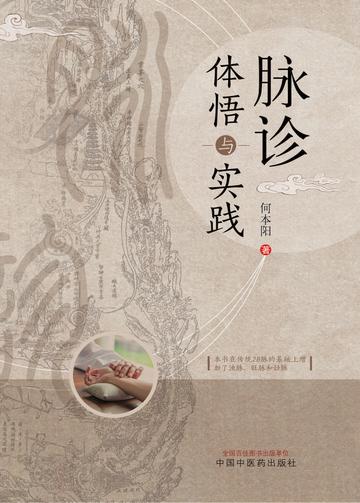
This book is divided into part one, part two, and appendix. The previous article introduced the precautions for pulse diagnosis, pulse diagnosis and syndrome differentiation, changes in pulse conditions and qi movement, etc. The next part refers to various books on pulse studies from past dynasties and combines personal experience to introduce 31 types of pulse understanding. In addition to the traditional 28 pulses, the pulse theory, clinical significance, etc. Of the three pulse conditions of turbid pulse, prosperous pulse, and vigorous pulse, which are very valuable in clinical practice, are also added. Each pulse condition is followed by a clinical medical record and a summary of notes to help readers have a deeper understanding and mastery of each pulse condition. The appendix mainly selects ancient and modern pulse theory literature to help beginners further learn, understand, and think about pulse diagnosis.
About the author: He Benyang, male, chief traditional Chinese medicine physician, part-time professor at the School of Medicine, Hubei University for Nationalities, visiting scholar of the Three Gorges Light, the fourth batch of outstanding clinical talents of traditional Chinese medicine in the country, the third batch of outstanding young traditional Chinese medicine practitioners in Chongqing, winner of the Chongqing May 1st Labor Medal, and won the title of "Advanced Individual in Chongqing's New Coronavirus Pneumonia Epidemic". He currently serves as a member of the Internal Medicine Committee and the Oncology Committee of the Chongqing Association of Traditional Chinese Medicine. He has 4 invention patents and has published nearly 20 papers. He is good at using classic prescriptions to treat gynecological diseases, digestive system diseases, respiratory system diseases, etc.
Reader comments
The author shared his practical experience and insights, and also added many medical records and notes so that we can better understand the pulse. What I think is particularly good is that he also added some uncommon but very practical pulse conditions, such as turbid pulse, prosperous pulse, and strong pulse, which gave me a more comprehensive understanding of pulse diagnosis. All in all, recommended!
Just watch a little bit and you have to pay [face covering]
What should I do if I have a headache and fever after practicing in the first step of the five steps?

The author shared his practical experience and insights, and also added many medical records and notes so that we can better understand the pulse. What I think is particularly good is that he also added some uncommon but very practical pulse conditions, such as turbid pulse, prosperous pulse, and strong pulse, which gave me a more comprehensive understanding of pulse diagnosis. All in all, recommended!
Just watch a little bit and you have to pay [face covering]
What should I do if I have a headache and fever after practicing in the first step of the five steps?