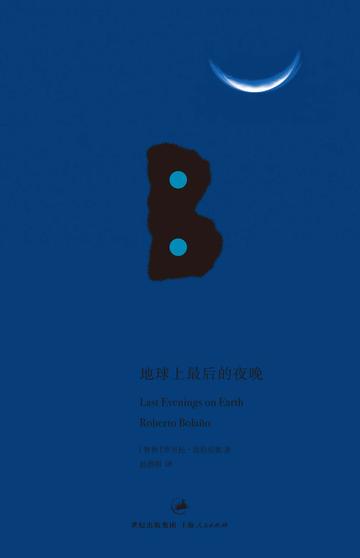
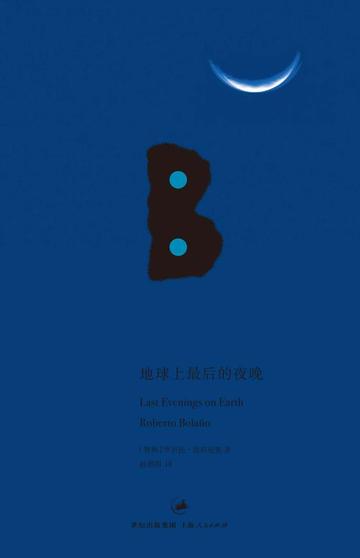
"The Last Night on Earth" consists of fourteen stories. The protagonist of most of the stories is "B": a Chilean exile who wanders aimlessly in South America and Europe, stringing together the stories of other people of his generation. Almost all of them are a generation of people who have been disillusioned in their exile life, struggling on the edge and trapped in nightmares. These people are like in a dream, constantly changing their images, names or backgrounds in different stories. Critics generally believe that Bolaño's proficiency in short stories is comparable to that of Kafka and Borges.
Reader comments
The story of this book is very imaginative and the characters are very vivid. I especially liked protagonist B, whose life in exile made me feel the pain of shattered dreams. Moreover, the characters are described in detail in the book, which made me understand their struggles better. I feel that the author is very good at using short stories to show complex emotions and thoughts, as if he is chatting with me, very cordial. 🤗
Boccaño's novels have always made me feel a faint sense of death. Some parts are like a running account, but after reading, I can feel the passion surging under this sense of death. Many of the novels in this collection have open endings, and sometimes it feels like it ends abruptly - in my imagination, the characters' stories should continue - giving people a subtle sense of despair, as described in the book as "a group of images, all injured." What impressed me the most was the chapter about Little Eyes. I really liked the language used to describe the protagonist's stay in India.
The book is told from the perspective of B. There is no particularly gorgeous language in the book, only chat-like discussions, but I think it is precisely this that brings a different feeling. Combined with the local flavor (there is a saying, foreign countries are indeed quite wild...) To give people a unique style.




The story of this book is very imaginative and the characters are very vivid. I especially liked protagonist B, whose life in exile made me feel the pain of shattered dreams. Moreover, the characters are described in detail in the book, which made me understand their struggles better. I feel that the author is very good at using short stories to show complex emotions and thoughts, as if he is chatting with me, very cordial. 🤗
Boccaño's novels have always made me feel a faint sense of death. Some parts are like a running account, but after reading, I can feel the passion surging under this sense of death. Many of the novels in this collection have open endings, and sometimes it feels like it ends abruptly - in my imagination, the characters' stories should continue - giving people a subtle sense of despair, as described in the book as "a group of images, all injured." What impressed me the most was the chapter about Little Eyes. I really liked the language used to describe the protagonist's stay in India.
The book is told from the perspective of B. There is no particularly gorgeous language in the book, only chat-like discussions, but I think it is precisely this that brings a different feeling. Combined with the local flavor (there is a saying, foreign countries are indeed quite wild...) To give people a unique style.