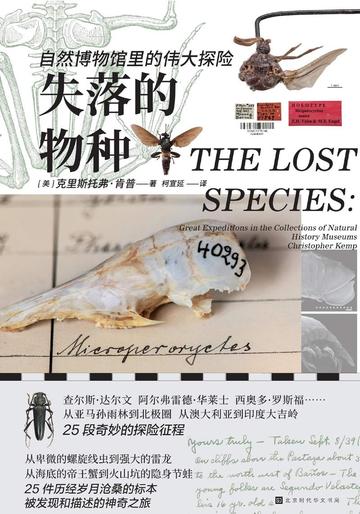
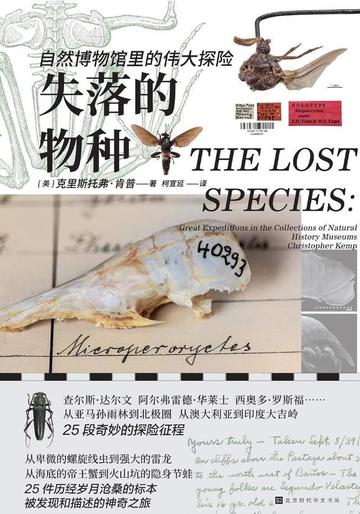
A salamander from southern Mexico that is smaller than a matchstick; a white rough-tailed monkey that lives in the tropical rainforests of Brazil; a small dog raccoon that grows in the Andes Mountains and looks like a meerkat or a teddy bear.
These amazing species are all new and their names were determined not long ago. But instead of being discovered in the wild, they were unearthed in the cabinets and cavernous basements of nature museums. As this book reveals, the vast collection of specimens housed in natural history museums is a treasure waiting to be discovered.
Following Kemp's lead, we went to the museum's basement to look for specimens, examine drawers and jars, and explore new species. There are king crabs collected in 1906, an unknown species of wolf spider, a mislabeled snail living in the Himalayas, an unknown beetle collected by Darwin, a neglected small frog, and other mysterious species.
In each story, these specimens wait quietly for decades, sometimes more than a century. They languished in natural history museum collections until astute scientists realized they were a new species. Scientists discover new species in museum collections every year. This is an important reminder that we have only named a small fraction of the species that live in the world. Sadly, some specimens have waited too long to be named and have disappeared from the wild before they were even named, victims of climate change and habitat loss. These stories also teach us the importance of enduring specimen preservation.
Lost Species brings these stories to life—from the latest information on each biological specimen to the people who collected them, and the scientists who ultimately realized they were new species—and will inspire people to discover more of the stories behind the collections of natural history museums.