The study of tea in the book includes three aspects, namely understanding tea, appreciating tea, and tasting tea. Understanding tea is to understand tea. Its main purpose is to understand tea clearly, including its origin, type, efficacy, preservation methods and tea customs in different regions. As we all know, my country is the birthplace of tea and the source of world tea culture. No one in any country has a deeper understanding of tea than the Chinese. As far as the life experience of tea is concerned, people can judge many tea-related things through its development process, which is helpful for appreciating and enjoying tea; and understanding the types of tea is also very important. There are thousands of tea types in our country, each with its own unique quality and characteristics. If we have a deep understanding of these, it can also play a vital role in the brewing and drinking process; on the efficacy of tea Needless to say, tea varies from person to person. People with different constitutions need to drink different types of tea, and different teas have different effects. We must not confuse them, otherwise it will affect our health. The storage method of tea is also extremely important. If it is not stored properly, a can of good tea may become useless due to our negligence, and we will not be able to taste its sweet and mellow taste again.
Reader comments
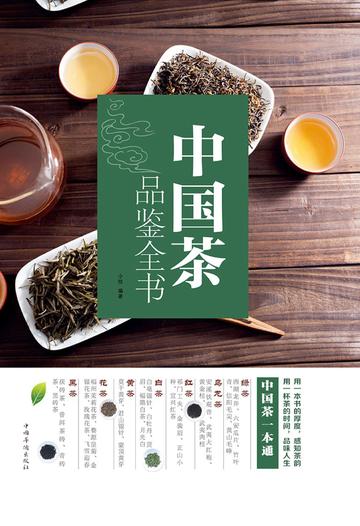
There are many types of tea in China, and the number of tea drinkers in China is the largest in the world. This book systematically introduces the history, types, production areas, production techniques, quality evaluation and other aspects of Chinese tea and discusses it in detail. Including the origin, development, spread and influence of tea in literature, art, religion, etc. At the same time, it also provides an overview of the characters and events related to Chinese tea in world tea culture. At the same time, an in-depth discussion was conducted on the varieties, production areas, and production techniques of Chinese tea. The characteristics and growth environment of each tea variety were introduced in detail, and the picking, making, and preservation processes of tea were described. It also analyzed how to taste and evaluate the quality of Chinese tea, proposed tea tasting methods and techniques, and carried out systematic evaluation standards for the appearance, aroma, taste, soup color, etc. Of tea.
The connection between tea culture and folk culture. The couplets written in the background of tea culture not only carry the art of calligraphy but also reflect the flavor of tea in life. The description of tea vividly describes the appearance, taste, color and aroma after brewing. After reading it, the feeling comes over you, tea and ancient times. The culture of weddings, funerals, sacrifices, worshiping Buddha, and entertaining guests also has very high requirements for tea utensils. In terms of beauty, texture, taste, and precision, teapots also need to be maintained and weighed. Drinking tea once requires many steps. Drinking tea and drinking tea. Sometimes drinking tea is not tea, but an attitude.
Tea is the most popular drink in our country. No matter how time changes and society changes, our daily lives are inseparable from tea. Tea is an indispensable thing in our lives. It can be very elegant and elegant, or it can be very simple. It can be brewed with just a teacup, a bag of tea leaves and a pot of hot water. Such a cup of tea embodies five thousand years of Chinese history and culture. It is a very delicate taste and a very vast character. Drinking a good cup of tea is good for keeping fit.
There are many types of tea, divided into three types according to different production methods, and seven series according to different product classifications. Each series is divided into many categories. Among them, green tea appeared earlier. When people had abdominal pain after meals, they would give them a cup of water and green tea, and the abdominal pain would be relieved. Zhu Yuanzhang became the first person to promote green tea. You see, green tea can help digestion. Black tea was discovered by Shennong. It was gradually recorded during the Song Dynasty. Black tea has an expiration date. Some teas taste better the longer they are left. For example, dark tea from Yunnan becomes more fragrant the longer it is left. Dark tea from Anhua, Hunan, is processed and produces a probiotic that is very beneficial to the human body. It can be used to lower blood lipids, lower blood pressure, and regulate sugar metabolism. Tea is closely related to people's lives.
The Chinese are probably one of the most tea-loving peoples in the world. We have a tradition of growing and drinking tea since the legendary Shen Nong tasted a hundred herbs. In the development of later generations, many tea categories have emerged, and tea drinking has become a culture integrated into the traditional Chinese cultural system. This book comprehensively describes how to understand, appreciate and taste tea, and involves matters that need to be paid attention to in a series of activities including tea purchase, evaluation and social interaction. It helps readers learn tea-related knowledge and gain more social capital in the social arena.
Tea culture has been in China for thousands of years and has a long history. It has also had a great impact on the Chinese people's lifestyle. But before reading this book, I still knew little about tea culture. The book introduces China's ancient tea culture in detail from three aspects: tea understanding, tea appreciation and tea tasting. Tea is not only a drink, but also an art. For a novice on tea knowledge, this book is very valuable and easy to understand.
This book is really great! Xiaozhi's knowledge about tea was very comprehensive and interesting, which gave me a deeper understanding of Chinese tea. I think of my grandpa. He especially likes drinking tea and often talks to me about tea culture. After reading this book, I finally understand why he is so obsessed with tea! I want to recommend this book to my good friends to experience the charm of Chinese tea culture together😄
A comprehensive description of various teas, worth reading
It can be given to those who are learning about tea or those who sell tea.
A must-read book to understand Chinese tea.
The focus is really different from the one I read before. I learned a lot about tea products. There are very careful auxiliary pictures in the book. You can also listen to the book, which is very good.
There are many types of tea in China, and the number of tea drinkers in China is the largest in the world. This book systematically introduces the history, types, production areas, production techniques, quality evaluation and other aspects of Chinese tea and discusses it in detail. Including the origin, development, spread and influence of tea in literature, art, religion, etc. At the same time, it also provides an overview of the characters and events related to Chinese tea in world tea culture. At the same time, an in-depth discussion was conducted on the varieties, production areas, and production techniques of Chinese tea. The characteristics and growth environment of each tea variety were introduced in detail, and the picking, making, and preservation processes of tea were described. It also analyzed how to taste and evaluate the quality of Chinese tea, proposed tea tasting methods and techniques, and carried out systematic evaluation standards for the appearance, aroma, taste, soup color, etc. Of tea.
The connection between tea culture and folk culture. The couplets written in the background of tea culture not only carry the art of calligraphy but also reflect the flavor of tea in life. The description of tea vividly describes the appearance, taste, color and aroma after brewing. After reading it, the feeling comes over you, tea and ancient times. The culture of weddings, funerals, sacrifices, worshiping Buddha, and entertaining guests also has very high requirements for tea utensils. In terms of beauty, texture, taste, and precision, teapots also need to be maintained and weighed. Drinking tea once requires many steps. Drinking tea and drinking tea. Sometimes drinking tea is not tea, but an attitude.
Tea is the most popular drink in our country. No matter how time changes and society changes, our daily lives are inseparable from tea. Tea is an indispensable thing in our lives. It can be very elegant and elegant, or it can be very simple. It can be brewed with just a teacup, a bag of tea leaves and a pot of hot water. Such a cup of tea embodies five thousand years of Chinese history and culture. It is a very delicate taste and a very vast character. Drinking a good cup of tea is good for keeping fit.
There are many types of tea, divided into three types according to different production methods, and seven series according to different product classifications. Each series is divided into many categories. Among them, green tea appeared earlier. When people had abdominal pain after meals, they would give them a cup of water and green tea, and the abdominal pain would be relieved. Zhu Yuanzhang became the first person to promote green tea. You see, green tea can help digestion. Black tea was discovered by Shennong. It was gradually recorded during the Song Dynasty. Black tea has an expiration date. Some teas taste better the longer they are left. For example, dark tea from Yunnan becomes more fragrant the longer it is left. Dark tea from Anhua, Hunan, is processed and produces a probiotic that is very beneficial to the human body. It can be used to lower blood lipids, lower blood pressure, and regulate sugar metabolism. Tea is closely related to people's lives.
The Chinese are probably one of the most tea-loving peoples in the world. We have a tradition of growing and drinking tea since the legendary Shen Nong tasted a hundred herbs. In the development of later generations, many tea categories have emerged, and tea drinking has become a culture integrated into the traditional Chinese cultural system. This book comprehensively describes how to understand, appreciate and taste tea, and involves matters that need to be paid attention to in a series of activities including tea purchase, evaluation and social interaction. It helps readers learn tea-related knowledge and gain more social capital in the social arena.
Tea culture has been in China for thousands of years and has a long history. It has also had a great impact on the Chinese people's lifestyle. But before reading this book, I still knew little about tea culture. The book introduces China's ancient tea culture in detail from three aspects: tea understanding, tea appreciation and tea tasting. Tea is not only a drink, but also an art. For a novice on tea knowledge, this book is very valuable and easy to understand.
This book is really great! Xiaozhi's knowledge about tea was very comprehensive and interesting, which gave me a deeper understanding of Chinese tea. I think of my grandpa. He especially likes drinking tea and often talks to me about tea culture. After reading this book, I finally understand why he is so obsessed with tea! I want to recommend this book to my good friends to experience the charm of Chinese tea culture together😄
A comprehensive description of various teas, worth reading
It can be given to those who are learning about tea or those who sell tea.
A must-read book to understand Chinese tea.
The focus is really different from the one I read before. I learned a lot about tea products. There are very careful auxiliary pictures in the book. You can also listen to the book, which is very good.