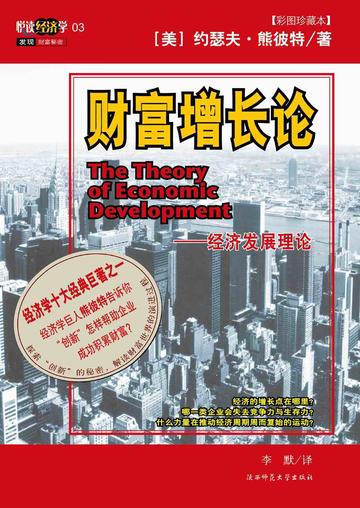
The economy is influencing and changing modern society and people's lives all the time. From the changes in the world economy to the acquisition and accumulation of wealth for each of us, its power to influence the situation is reflected everywhere. In contemporary times, economics is no longer just a homework for economists. Even ordinary people, if they want to adapt to social changes and even gain insight into the secrets of wealth, it is important to understand economics. Although the edifice of economics that explains all economic phenomena may seem at first glance to be unfathomable, unattainable, and even inaccessible to many people, most of the profound economic issues are actually based on several basic theories, such as Adam Smith's "invisible hand", David Ricardo's division of labor, Keynes's liquidity theory, etc. Therefore, for those who want to understand economics, reading classics is a good shortcut. Based on this, the advent of the "Reading Economics for Joy" series of books may represent a new way of thinking, and people can achieve an accurate understanding of economics in the process of "Reading for Joy". Here we have specially selected a series of the most influential classics in the history of economics, which without exception have had a profound impact on the world economic pattern. In addition, we have also adopted a more intuitive graphic and text presentation method to extract the essence of certain "large" works. All of this is to meet the needs of modern readers to quickly absorb a large amount of information, and to usher in an era of "pleasant reading" in the field of economics.
Reader comments
This book uses charts to help us quickly understand the development of economic schools, which is very friendly to an economics novice like me. And I particularly like the way its content is presented, with pictures and texts, and it is not boring at all. I think anyone who wants to understand economics or someone who wants to understand the secrets of wealth can read this book.




This book uses charts to help us quickly understand the development of economic schools, which is very friendly to an economics novice like me. And I particularly like the way its content is presented, with pictures and texts, and it is not boring at all. I think anyone who wants to understand economics or someone who wants to understand the secrets of wealth can read this book.