The 20 years of Japanese economic loss are actually 20 years of innovation, and they are investing in the future. Japan's economic and social development is not "stuck in a quagmire" as some people think. On the contrary, Japan's economic operation is generally relatively stable, its economic and social development has entered an orderly track, and all aspects of economic and social management have reached a level of refinement. Generally speaking, Japan's economic and social development has reached the level of a highly developed civilization. Japan's huge economic advantages are highlighted in three aspects: industrial manufacturing, financial strength, and technological advantages. In addition, the improvement of convenient, energy-saving and environmentally friendly infrastructure, a relatively balanced state of urban and rural and regional development, outstanding achievements in ecological and environmental protection, a harmonious and orderly social environment, and high national quality are all "Japan's fundamental strengths."
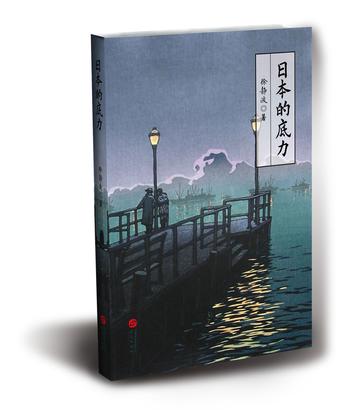
This book mainly talks about the survival and development of Japanese enterprises. The innovation of Japanese companies is not forced by the government, but is found and created by themselves in order to survive and develop. This ability of independent innovation comes from its technology storage and research and development capabilities, as well as from a company's new thinking about the future of mankind. When we look at Japanese companies, we should not wear colored glasses or engage in a sense of disobedience. We must see their self-innovation and self-healing capabilities and Japan's bottom line.
Not everything in Japan is good, and new industries are also being caught up and surpassed by us. However, some of Japan's experiences and lessons should not be rejected by us, but should be actively studied and studied. Learn its crisis awareness and continuous self-innovation capabilities, and apply what you learn. Only in this way can we find our own opportunities and new thinking from the creation and development of Japan's new industries.
Reader comments
After reading this book, I felt deeply. It turns out that Japan has so much worth learning. We have always looked at Japan with colored glasses. Even though they have bad things, the old saying goes: take the best and discard the dross. We should learn from the good sides and discard the bad sides. Like Japan's economic outlook, they do not consume ahead of schedule and do not use Alipay and WeChat. These two payment methods can be said to be the most highly rated payment methods in China. However, Japan has always respected cash payment and visualized money so that they will not buy unnecessary items. For us today, how many things we bought have never been used and are left to collect dust in the corner. This is worth learning.
Although I don't like this nation, I have to admit that their performance in some fields is worth learning from. After the war, the Japanese economy did not sink into the quagmire as people expected. Instead, it resumed development smoothly and orderly, and has now entered a highly developed stage of civilization. At the same time, it has made brilliant achievements in industry, finance, and science and technology. These are worthy of our study and reference. The author conducted an in-depth analysis of Japan's development in the book, and I benefited a lot from reading it.
In fact, Japan has been innovating. They have always scrutinized imported products. If they are not suitable for them or do not conform to the habits of the country, they will improve them. Even if the products become unauthentic, they still insist on innovation. And they have been passing on the traditions that have been handed down. Take the Mid-Autumn Festival in the article as an example. In China, the Mid-Autumn Festival evolved into eating moon cakes, while in Japan, it has always been about worshiping the moon. Another point is that Japan attaches great importance to individuality, which prompted them to become the first reason in the region to legalize same-sex marriage.
Japan's confidence lies in its continuous economic innovation, the high level of trust and unity and cooperation mentioned by Fukuyama, and the Japanese people's pride in their culture. If you are also curious about Japan, then you must read this book. Although Japan, as an island country, has many deep-rooted conservatisms in its national character, Japan's radical reforms and political and economic development after the Meiji Restoration more than 150 years ago have long proved the country's resilience and strength. Watching Japan can allow us to better understand the land of China and develop the characteristics of the new era.
Reading this book about Japan changed my impression of Japan. I heard from colleagues before that many Chinese people who go to Japan will gradually identify with Japanese culture. At that time, I was very confused about the charm of Japanese culture. When I read this book "Japan's Bottom Power", I finally found the answer.
Although the book was written many years ago, it still allowed me to understand Japan from a profound perspective
The author has a profound writing skills and lists many, many examples to illustrate Japan. Putting aside historical issues, Japan does have a lot worth learning.
Reading this book can help people understand a real Japan.
🍅Tomato I want to listen to books about people's livelihood such as "Daily Life in Japan", "Japanese Leisure Time" and "Japanese Community Life" [Sending Hearts]
This is the first time that I have such a comprehensive understanding of Japan through a book. Although I don't have much favorable impression of this country, there are indeed many places worth learning!
This book made me understand the power of Japanese companies. They are very innovative and will find new paths on their own in order to survive and develop. Moreover, they have a strong sense of crisis and will constantly adjust themselves to adapt to the market. I think we should learn from them, work hard to improve ourselves, and build our country better in the future.
The writing is quite objective and worth reading.
Only by understanding Japan can we revive China
Good-looking, good-looking, good-looking
It feels like it's not comprehensive enough, or the subject isn't deep enough and is relatively superficial.





After reading this book, I felt deeply. It turns out that Japan has so much worth learning. We have always looked at Japan with colored glasses. Even though they have bad things, the old saying goes: take the best and discard the dross. We should learn from the good sides and discard the bad sides. Like Japan's economic outlook, they do not consume ahead of schedule and do not use Alipay and WeChat. These two payment methods can be said to be the most highly rated payment methods in China. However, Japan has always respected cash payment and visualized money so that they will not buy unnecessary items. For us today, how many things we bought have never been used and are left to collect dust in the corner. This is worth learning.
Although I don't like this nation, I have to admit that their performance in some fields is worth learning from. After the war, the Japanese economy did not sink into the quagmire as people expected. Instead, it resumed development smoothly and orderly, and has now entered a highly developed stage of civilization. At the same time, it has made brilliant achievements in industry, finance, and science and technology. These are worthy of our study and reference. The author conducted an in-depth analysis of Japan's development in the book, and I benefited a lot from reading it.
In fact, Japan has been innovating. They have always scrutinized imported products. If they are not suitable for them or do not conform to the habits of the country, they will improve them. Even if the products become unauthentic, they still insist on innovation. And they have been passing on the traditions that have been handed down. Take the Mid-Autumn Festival in the article as an example. In China, the Mid-Autumn Festival evolved into eating moon cakes, while in Japan, it has always been about worshiping the moon. Another point is that Japan attaches great importance to individuality, which prompted them to become the first reason in the region to legalize same-sex marriage.
Japan's confidence lies in its continuous economic innovation, the high level of trust and unity and cooperation mentioned by Fukuyama, and the Japanese people's pride in their culture. If you are also curious about Japan, then you must read this book. Although Japan, as an island country, has many deep-rooted conservatisms in its national character, Japan's radical reforms and political and economic development after the Meiji Restoration more than 150 years ago have long proved the country's resilience and strength. Watching Japan can allow us to better understand the land of China and develop the characteristics of the new era.
Reading this book about Japan changed my impression of Japan. I heard from colleagues before that many Chinese people who go to Japan will gradually identify with Japanese culture. At that time, I was very confused about the charm of Japanese culture. When I read this book "Japan's Bottom Power", I finally found the answer.
Although the book was written many years ago, it still allowed me to understand Japan from a profound perspective
The author has a profound writing skills and lists many, many examples to illustrate Japan. Putting aside historical issues, Japan does have a lot worth learning.
Reading this book can help people understand a real Japan.
🍅Tomato I want to listen to books about people's livelihood such as "Daily Life in Japan", "Japanese Leisure Time" and "Japanese Community Life" [Sending Hearts]
This is the first time that I have such a comprehensive understanding of Japan through a book. Although I don't have much favorable impression of this country, there are indeed many places worth learning!
This book made me understand the power of Japanese companies. They are very innovative and will find new paths on their own in order to survive and develop. Moreover, they have a strong sense of crisis and will constantly adjust themselves to adapt to the market. I think we should learn from them, work hard to improve ourselves, and build our country better in the future.
The writing is quite objective and worth reading.
Only by understanding Japan can we revive China
Good-looking, good-looking, good-looking
It feels like it's not comprehensive enough, or the subject isn't deep enough and is relatively superficial.