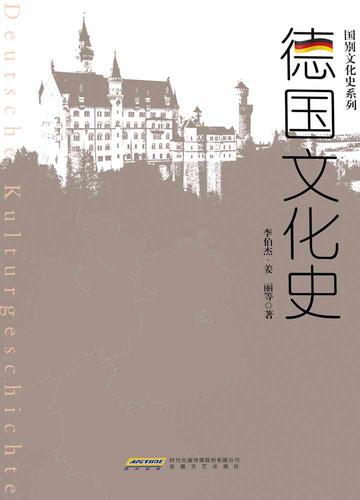
This book is one of the "national cultural history book series" and tells the cultural history of Germany. The book comprehensively displays the historical development, evolution and unique characteristics of German culture from the aspects of German culture in the Middle Ages, German modern culture, German culture in the Baroque era, German culture in the Enlightenment period, and Weimar classical literature period. This book is comprehensive in content and rich in historical materials. It is a useful reference for researchers and enthusiasts of German culture.
Reader comments
I especially like the parts about the Middle Ages and the Baroque era. Those historical stories and cultural phenomena are simply wonderful! However, this book is originally an academic work and may be a bit obscure to read, but it is really worth reading!
Explaining the history of Europe and Germany from a Germanic perspective is very different from the perspective of a general European history. The Germanic people gradually diverged over the long years, and each embarked on a different development trajectory, which is very intriguing.
When I started reading, I also guessed whether the author was German, because I felt that there was a strong national sentiment hidden in the lines, which made people think of "tracing back to the roots to show glory". However, from a historical perspective, it does show the coherence of historical development and the diversity of national formation. The history of Germany must be started from this perspective. If it were French history, we would probably talk about Gaul and Rome.




I especially like the parts about the Middle Ages and the Baroque era. Those historical stories and cultural phenomena are simply wonderful! However, this book is originally an academic work and may be a bit obscure to read, but it is really worth reading!
Explaining the history of Europe and Germany from a Germanic perspective is very different from the perspective of a general European history. The Germanic people gradually diverged over the long years, and each embarked on a different development trajectory, which is very intriguing. When I started reading, I also guessed whether the author was German, because I felt that there was a strong national sentiment hidden in the lines, which made people think of "tracing back to the roots to show glory". However, from a historical perspective, it does show the coherence of historical development and the diversity of national formation. The history of Germany must be started from this perspective. If it were French history, we would probably talk about Gaul and Rome.