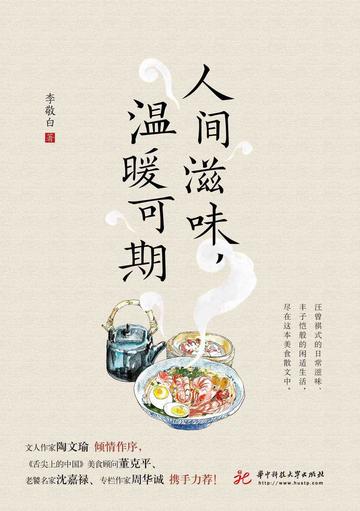
Food that is extremely mundane can also be extremely elegant. The difference between vulgarity and elegance lies in the careful grasp of the attentive person. The author of this book inherits the writing style of Wang Zengqi, a native of Jiangsu Province. With his unique preference and research understanding of Weiyang culture, he carefully sorts out the local food and leads readers to find warmth and beauty with endless charm. When food meets words, we can not only fully perceive the color, aroma and taste of food, but also work hard to explore the artistic value and humanistic accumulation of food. This book perfectly integrates various elements such as geography, food, travel, and emotions. It uses words to express gratitude for food, enjoy the pleasure brought by food, pass on legends related to food, and let delicious food and culture bloom on the page.
Reader comments
The writing style of this book is very unique and the writing style is very delicate. It made me feel like I was chatting with the author. The descriptions of food in the book are so vivid that I feel like I can smell the aroma of the steamed buns. I think of the steamed buns made by my mother and the happy time of sharing delicious food with my family. This book made me feel the warmth and beauty of food, and also made me cherish and be grateful for every little thing in life.
Warm, simple, and somewhat similar to Wang Zengqi's prose
The writing style of this book is very unique and the writing style is very delicate. It made me feel like I was chatting with the author. The descriptions of food in the book are so vivid that I feel like I can smell the aroma of the steamed buns. I think of the steamed buns made by my mother and the happy time of sharing delicious food with my family. This book made me feel the warmth and beauty of food, and also made me cherish and be grateful for every little thing in life.
Warm, simple, and somewhat similar to Wang Zengqi's prose
The narrative is plain, but very charming