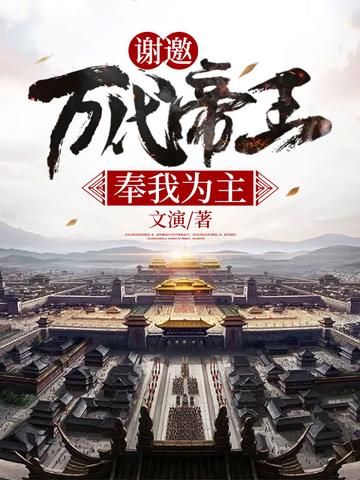
After Zhuang Fan graduated from college, he lived in poverty while guarding his family's small manor.
On this day, a light door suddenly connected all the planes and led directly to his manor.
From then on, some strange guests often appeared and chatted with Zhuang Fan.
They call themselves Liu Bang, Li Longji, Zhu Qizhen...
Zhuang Fan pointed to the country: "Brother Liu, give the Bingxian a map of the world and make Europe tremble!"
"Brother Xuanzong, if you don't take your time, your noble concubine will be hanged in Maweipo!"
"Brother Zhu, I'm afraid all your troops will die in Tumu Fort next year..."
However, these are the real big names in history, and the information revealed by Zhuang Fan will completely change history.
Reader comments
Emperor Gaozu of the Han Dynasty, Emperor Xuanzong of the Tang Dynasty, and Emperor Yang of the Sui Dynasty. First of all, the title of Emperor Gaozu of the Han Dynasty is wrong. The correct title is Emperor Taizu of the Han Dynasty. It can also be said to be Emperor Taizu of the Han Dynasty or Emperor Gaozu of the Han Dynasty. As for the Emperor Gaozu of the Han Dynasty, it was because Sima Qian wrote about the history of Emperor Gaozu of the Han Dynasty in "Historical Records", so later generations came to have the title of Emperor Gaozu of the Han Dynasty. In fact, The temple name is Taizu, and the posthumous name is Gao (Emperor, why do you need to add parentheses? Posthumous names are not unique to emperors. They can be vassal kings, princes, kings, and famous ministers. During the Spring and Autumn Period and the Warring States Period, most of the princes and kings we called were their posthumous names, such as Duke Huan of Qi, King Zhuang of Chu, King Wuling of Zhao, and Duke Huan of Zhongshan. Among them, Huan, Zhuang, Wu and Ling are both posthumous titles. Of course, some kings do not have posthumous titles, such as Zhongshan Wangcuo (cuò). Zhongshan is the title of a vassal state. The king refers to the monarch and calls him the king. Cuò is the name of the monarch. Zhongshan State was originally a Di tribe. The Emperor of Zhou named it a vassal state and gave it the surname Ji. Therefore, the king of Zhongshan was named Jicuo because he did not have a posthumous title. The other monarchs of the Zhongshan Kingdom made distinctions and called them by their country title, title, and name). To get back to the point, whether it is a posthumous title or a temple title, they were all given posthumously by the emperor after his death. How could the emperor know his posthumous title and temple title? As for why we call some emperors by their posthumous titles and others by their temple titles? Temple names first existed in the Shang Dynasty. At that time, not every monarch could get a temple name. Only a few of the more than 30 monarchs in the Shang Dynasty had temple names. The Zhou Dynasty did not mention it, and the Qin Dynasty did not mention it. By the time of the Han Dynasty, there were only a few emperors in the Three Han Dynasties (Eastern Han, Western Han and one Ji/Shu Han) who had temple titles, namely Emperor Taizu Gao Liu Bang, Emperor Taizong Wen Liu Huan, Emperor Shizong Wu Liu Che, Emperor Zhongzong Xuan Liu Xun, Emperor Gaozong Yuan Liu Shi (shì) (Liu Shi's post-Gaozong was abolished), Tongzong Emperor Liu Ao, Xian Emperor Emperor Zongai Liu Xin, Emperor Guangwu Liu Xiu, Emperor Xianzong Ming Liu Zhuang, Emperor Suzongzhang Liu Jin, Emperor Mu Zonghe Liu Zhao, Emperor Gongzongan Liu Hu, Emperor Jingzongshun Liu Bao, Emperor Weizonghuan Liu Zhi (later Dong Zhuo abolished his temple name), ancestor Zhaolie Emperor Liu Bei, a total of 31 emperors in the Three Han Dynasties, plus those abolished temple names There were only 15 emperors with temple names in total. It was very troublesome to address those emperors without temple names, so the emperors were called by their posthumous names. However, in the Tang Dynasty, posthumous names began to be added with more characters. From the first one, two, and three characters to Li Yuan's seven characters, the posthumous titles were too cumbersome. In addition, temple names were basically every Basically, the founder of the country is the ancestor, and the emperors of the later generations are the ancestors, so we call the emperors of the Tang Dynasty and after the Tang Dynasty, but whether it is a posthumous title or a temple name, they are all given after the emperor's death. The emperor did not know it when he was alive. So if you, the emperor, call yourself Gaozu of the Han Dynasty, Xuanzong of the Tang Dynasty, or Emperor Yang of the Sui Dynasty, there is a big problem.
It's okay to watch without thinking! You say you talk about immortality, but you don't follow the path of immortality, and you practice martial arts but it doesn't look like martial arts. Also, I'm confused about the level of combat power. Is this your own original creation? It made me look confused.
Also, after I did it myself, other forces started to fight for no apparent reason, which was outrageous.
Emperor Gaozu of the Han Dynasty, Emperor Xuanzong of the Tang Dynasty, and Emperor Yang of the Sui Dynasty. First of all, the title of Emperor Gaozu of the Han Dynasty is wrong. The correct title is Emperor Taizu of the Han Dynasty. It can also be said to be Emperor Taizu of the Han Dynasty or Emperor Gaozu of the Han Dynasty. As for the Emperor Gaozu of the Han Dynasty, it was because Sima Qian wrote about the history of Emperor Gaozu of the Han Dynasty in "Historical Records", so later generations came to have the title of Emperor Gaozu of the Han Dynasty. In fact, The temple name is Taizu, and the posthumous name is Gao (Emperor, why do you need to add parentheses? Posthumous names are not unique to emperors. They can be vassal kings, princes, kings, and famous ministers. During the Spring and Autumn Period and the Warring States Period, most of the princes and kings we called were their posthumous names, such as Duke Huan of Qi, King Zhuang of Chu, King Wuling of Zhao, and Duke Huan of Zhongshan. Among them, Huan, Zhuang, Wu and Ling are both posthumous titles. Of course, some kings do not have posthumous titles, such as Zhongshan Wangcuo (cuò). Zhongshan is the title of a vassal state. The king refers to the monarch and calls him the king. Cuò is the name of the monarch. Zhongshan State was originally a Di tribe. The Emperor of Zhou named it a vassal state and gave it the surname Ji. Therefore, the king of Zhongshan was named Jicuo because he did not have a posthumous title. The other monarchs of the Zhongshan Kingdom made distinctions and called them by their country title, title, and name). To get back to the point, whether it is a posthumous title or a temple title, they were all given posthumously by the emperor after his death. How could the emperor know his posthumous title and temple title? As for why we call some emperors by their posthumous titles and others by their temple titles? Temple names first existed in the Shang Dynasty. At that time, not every monarch could get a temple name. Only a few of the more than 30 monarchs in the Shang Dynasty had temple names. The Zhou Dynasty did not mention it, and the Qin Dynasty did not mention it. By the time of the Han Dynasty, there were only a few emperors in the Three Han Dynasties (Eastern Han, Western Han and one Ji/Shu Han) who had temple titles, namely Emperor Taizu Gao Liu Bang, Emperor Taizong Wen Liu Huan, Emperor Shizong Wu Liu Che, Emperor Zhongzong Xuan Liu Xun, Emperor Gaozong Yuan Liu Shi (shì) (Liu Shi's post-Gaozong was abolished), Tongzong Emperor Liu Ao, Xian Emperor Emperor Zongai Liu Xin, Emperor Guangwu Liu Xiu, Emperor Xianzong Ming Liu Zhuang, Emperor Suzongzhang Liu Jin, Emperor Mu Zonghe Liu Zhao, Emperor Gongzongan Liu Hu, Emperor Jingzongshun Liu Bao, Emperor Weizonghuan Liu Zhi (later Dong Zhuo abolished his temple name), ancestor Zhaolie Emperor Liu Bei, a total of 31 emperors in the Three Han Dynasties, plus those abolished temple names There were only 15 emperors with temple names in total. It was very troublesome to address those emperors without temple names, so the emperors were called by their posthumous names. However, in the Tang Dynasty, posthumous names began to be added with more characters. From the first one, two, and three characters to Li Yuan's seven characters, the posthumous titles were too cumbersome. In addition, temple names were basically every Basically, the founder of the country is the ancestor, and the emperors of the later generations are the ancestors, so we call the emperors of the Tang Dynasty and after the Tang Dynasty, but whether it is a posthumous title or a temple name, they are all given after the emperor's death. The emperor did not know it when he was alive. So if you, the emperor, call yourself Gaozu of the Han Dynasty, Xuanzong of the Tang Dynasty, or Emperor Yang of the Sui Dynasty, there is a big problem.
It's okay to watch without thinking! You say you talk about immortality, but you don't follow the path of immortality, and you practice martial arts but it doesn't look like martial arts. Also, I'm confused about the level of combat power. Is this your own original creation? It made me look confused. Also, after I did it myself, other forces started to fight for no apparent reason, which was outrageous.