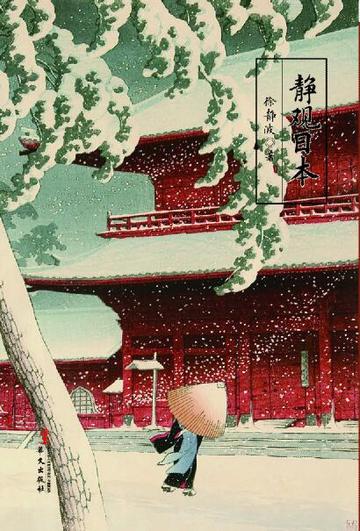
This is a book prefaced by two former Japanese prime ministers, because it reflects the two prime ministers' emotions and friendship towards China, and also because of the author's understanding and discovery of the "truth about Japan" during his 20 years in Japan.
The author uses a unique perspective and feeling of a journalist, and uses extremely delicate and plain language to show us a real Japan, telling us about the lives, dreams and troubles of everyone from the prime minister to ordinary Japanese people.
The book not only covers Japanese politics and economy, but also introduces the author's personal experience of Japanese society and the true feelings of Japanese people.
You will discover a different Japan from this book, and you will also find the lost shadow of Chinese culture that needs to be recovered...
Reader comments
The author objectively and fairly describes some of Japan's political systems, folk customs, culture, etc., And implicitly provides a model reference for the shortcomings of Chinese society. Although as a Chinese, I hate the trauma that Japan has brought to China in the past, Japan's development in modern times, Japan's spirit of hard work, and its preservation and inheritance of traditional culture are all worth learning from our country. The shame of war cannot be forgotten, but this does not mean tit-for-tat. The development of East Asia also requires cooperation and mutual benefit.
Readers interested in Japanese culture may consider reading this book. The in-depth analysis of Japanese culture in the book is impressive. Through detailed research and in-depth observation, the author shows the essence of Japanese traditional culture, art, architecture, customs and other aspects. Whether it is tea ceremony, bushido or Japanese garden, this book can lead readers to have an in-depth understanding of its connotation and aesthetics. This book is also very accurate in its observation and analysis of Japanese society. The book reveals the Japanese people's values, lifestyle, educational system, technological innovation and other characteristics, giving readers a deeper understanding of the overall picture of Japanese society.
From this book, we see Japan from a different perspective. This book leads readers to explore Japan's unique features and charm with a calm attitude. It describes Japan's natural landscape, traditional culture, food, architecture and humanistic customs in the form of prose, allowing readers to better understand and experience Japan's spirit and style. The book explores the rich connotations of Japanese traditional culture, including tea ceremony, ikebana, kabuki, ukiyo-e and traditional costumes. The philosophical and historical background behind these traditional cultures is introduced.
By listing some specific things, this book clearly explains to readers the commonalities and differences between China and Japan in culture, politics, economy, society, etc. Regarding the history of China and Japan and how to solve the history in the future, when the political cooling of Sino-Japanese relations occurs, it is even more necessary to promote in-depth cooperation between the two countries in various fields such as economy, culture, and even education, environment, and medical care in the spirit of friendship. China and Japan should assume the core responsibility and promote the construction of the East Asian community step by step. This will not only help improve the political relations between China and Japan, but also send more peace messages from East Asia to the world.
Mr. Xu Jingbo's "A Quiet View of Japan" describes all aspects of Japan for us in an objective and fair manner. The Chinese say that distant relatives are not as good as close neighbors, and Japan is our nearest neighbor. However, the relationship between the two countries was not normal for a long time. I have always been worried about the heinous crimes committed by the Japanese in China. But I also admit that Japan has many things and aspects that we can learn from. It has been more than seventy years since the end of World War II. I sincerely hope that the people of the two countries can learn from the lessons of history and continue to be friendly from generation to generation.
The author uses a unique perspective and feeling of a journalist, and uses extremely delicate and plain language to show us a real Japan, telling us about the lives, dreams and troubles of everyone from the prime minister to ordinary Japanese people. The book not only covers Japanese politics and economy, but also introduces the author's personal experience of Japanese society and the true feelings of Japanese people. You will discover a different Japan from this book, and you will also find the shadow of Chinese culture that has been lost and needs to be recovered... This is a book prefaced by two former Japanese prime ministers, because it permeates the two prime ministers' emotions and friendship towards China, and because of the author's understanding and discovery of the "truth about Japan" during his 20 years in Japan.
The writing style of this book is very delicate and plain, and the writing style is also good. Through the author's personal experience, we can see a real Japan. The storyline in the book covers a wide range of topics, from political economy to social life, giving people a more comprehensive understanding of Japan. Moreover, the book also mentions Chinese culture, which makes people think deeply. Worth reading!
The events recorded in this book are 10 years old now, and it provides a very objective introduction to all aspects of Japan. Ten years have passed, and problems and frictions between China and Japan are still constant. As the book says, Japan is a neighbor we cannot ignore. We need to remember history and look forward to the future.
A comprehensive and multi-angle introduction to Japan. China and Japan are inseparable neighbors. Sino-Japanese friendship is the best choice.
The writing is pretty good, but there is one article that feels completely different in style, and does not seem to be the author's style of writing.


The author objectively and fairly describes some of Japan's political systems, folk customs, culture, etc., And implicitly provides a model reference for the shortcomings of Chinese society. Although as a Chinese, I hate the trauma that Japan has brought to China in the past, Japan's development in modern times, Japan's spirit of hard work, and its preservation and inheritance of traditional culture are all worth learning from our country. The shame of war cannot be forgotten, but this does not mean tit-for-tat. The development of East Asia also requires cooperation and mutual benefit.
Readers interested in Japanese culture may consider reading this book. The in-depth analysis of Japanese culture in the book is impressive. Through detailed research and in-depth observation, the author shows the essence of Japanese traditional culture, art, architecture, customs and other aspects. Whether it is tea ceremony, bushido or Japanese garden, this book can lead readers to have an in-depth understanding of its connotation and aesthetics. This book is also very accurate in its observation and analysis of Japanese society. The book reveals the Japanese people's values, lifestyle, educational system, technological innovation and other characteristics, giving readers a deeper understanding of the overall picture of Japanese society.
From this book, we see Japan from a different perspective. This book leads readers to explore Japan's unique features and charm with a calm attitude. It describes Japan's natural landscape, traditional culture, food, architecture and humanistic customs in the form of prose, allowing readers to better understand and experience Japan's spirit and style. The book explores the rich connotations of Japanese traditional culture, including tea ceremony, ikebana, kabuki, ukiyo-e and traditional costumes. The philosophical and historical background behind these traditional cultures is introduced.
By listing some specific things, this book clearly explains to readers the commonalities and differences between China and Japan in culture, politics, economy, society, etc. Regarding the history of China and Japan and how to solve the history in the future, when the political cooling of Sino-Japanese relations occurs, it is even more necessary to promote in-depth cooperation between the two countries in various fields such as economy, culture, and even education, environment, and medical care in the spirit of friendship. China and Japan should assume the core responsibility and promote the construction of the East Asian community step by step. This will not only help improve the political relations between China and Japan, but also send more peace messages from East Asia to the world.
Mr. Xu Jingbo's "A Quiet View of Japan" describes all aspects of Japan for us in an objective and fair manner. The Chinese say that distant relatives are not as good as close neighbors, and Japan is our nearest neighbor. However, the relationship between the two countries was not normal for a long time. I have always been worried about the heinous crimes committed by the Japanese in China. But I also admit that Japan has many things and aspects that we can learn from. It has been more than seventy years since the end of World War II. I sincerely hope that the people of the two countries can learn from the lessons of history and continue to be friendly from generation to generation.
The author uses a unique perspective and feeling of a journalist, and uses extremely delicate and plain language to show us a real Japan, telling us about the lives, dreams and troubles of everyone from the prime minister to ordinary Japanese people. The book not only covers Japanese politics and economy, but also introduces the author's personal experience of Japanese society and the true feelings of Japanese people. You will discover a different Japan from this book, and you will also find the shadow of Chinese culture that has been lost and needs to be recovered... This is a book prefaced by two former Japanese prime ministers, because it permeates the two prime ministers' emotions and friendship towards China, and because of the author's understanding and discovery of the "truth about Japan" during his 20 years in Japan.
The writing style of this book is very delicate and plain, and the writing style is also good. Through the author's personal experience, we can see a real Japan. The storyline in the book covers a wide range of topics, from political economy to social life, giving people a more comprehensive understanding of Japan. Moreover, the book also mentions Chinese culture, which makes people think deeply. Worth reading!
The events recorded in this book are 10 years old now, and it provides a very objective introduction to all aspects of Japan. Ten years have passed, and problems and frictions between China and Japan are still constant. As the book says, Japan is a neighbor we cannot ignore. We need to remember history and look forward to the future.
A comprehensive and multi-angle introduction to Japan. China and Japan are inseparable neighbors. Sino-Japanese friendship is the best choice.
The writing is pretty good, but there is one article that feels completely different in style, and does not seem to be the author's style of writing.