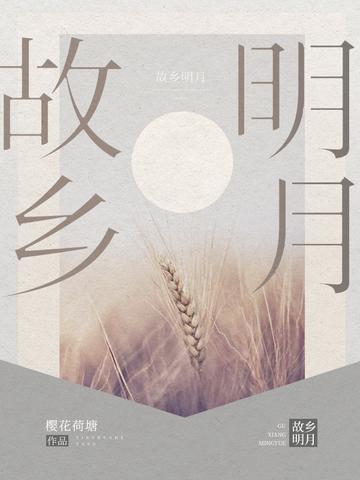
The work spans more than a hundred years from the late Qing Dynasty, the Republic of China to New China (1900-2010), and spans the Yangtze River estuary to the Qinghai-Tibet Plateau. The main battlefield is set in Hanzhou (Yangzhou), Ranzhou (Huizhou) and Liangzhou (Hanzhong), which are very representative in terms of Chinese local culture and family culture, with "harmony" as the cornerstone. Taking farming, reading and heirloom as the concept, relying on the family, the country and the world, taking historical events as the introduction, taking inheritance from generation to generation as the main axis, taking the eldest son and grandson of the protagonist's family as the core, taking reading and learning as the red line, and using line drawing as the basic technique, it records in relatively detail the family history of a family of salt tea merchants surnamed Mi who patriotically passed down the family and prospered the country and made friends with neighbors.
Reader comments
It is a rare realistic literary work with family culture, good traditions, positive energy, main theme, wonderful twists and turns of the story, exquisite and grand pictures, vivid and vivid characters, profound and easy to understand thoughts... It is worth reading and collecting!
From the narration of historical events to the description of life details, it is very lifelike and interesting.
It is a rare realistic literary work with family culture, good traditions, positive energy, main theme, wonderful twists and turns of the story, exquisite and grand pictures, vivid and vivid characters, profound and easy to understand thoughts... It is worth reading and collecting!
From the narration of historical events to the description of life details, it is very lifelike and interesting.