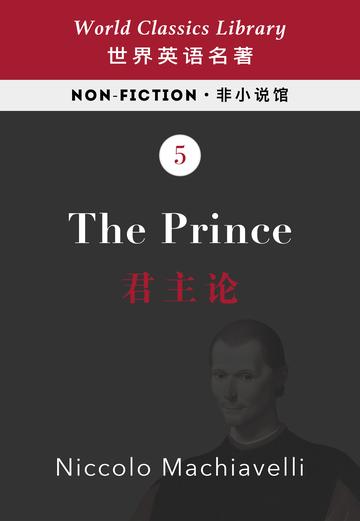
"The Prince" was written by Machiavelli in 1513. It spread from Italy to all over the world and has been famous for five centuries. This small book explains the nature of human nature, power system, and international relations. It not only clearly analyzes the situation on the Italian Peninsula five hundred years ago, but is also closely related to the political situation of various countries today. It can also be used to interpret "Game of Thrones". No wonder it has aroused huge repercussions in politics, religion, and academia from the West to the East. It is listed as one of the top ten books that have influenced human history, on par with the Bible and Capital.
When people read "The Prince" today, what deserves more attention is its discussion on management practice and leadership. In the chapters "Which is more advantageous, to be loved or to be feared", "How to avoid being despised and resented", "How to win fame", "How to avoid flatterers", and "The way of keeping a prince's word", Machiavelli puts forward many high-level and sharp-cut views.
It is worth mentioning that because the monarch should be conciliatory and decisive when necessary, "The Prince" once became the first politically banned book in human history, and has been subject to differentiated evaluations of both good and bad. As a result, in addition to the "bible of real politics", it also has the title of "Western thick and black science". Its merits and demerits naturally need to be judged by every reader. However, there is no doubt that this book will continue to be passed down as a classic and will be read often.
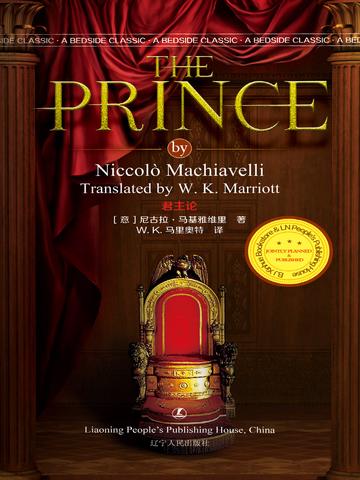
Western thick and black learning is well deserved