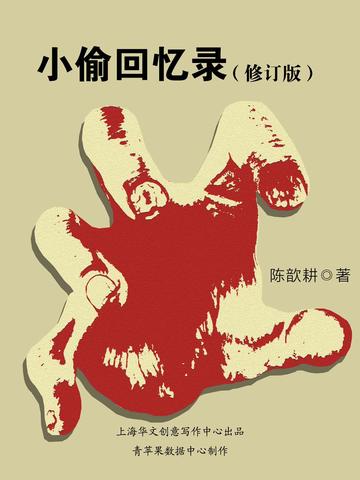
The increasingly rampant crime of pickpocketing is plaguing contemporary society. A group of thieves with extraordinary replication capabilities, like viruses, are damaging the fabric of society and the lives and property of the public.
The writer is keenly aware of this phenomenon and tries to dissect the underlying reasons behind it through in-depth investigation and thinking. This is an excellent long-form reportage that highly integrates journalism, authenticity, and literature.
The oral records of dozens of thieves not only truly reflect their ideological and psychological evolution from ordinary people to pickpockets, but also reflect the various troubles in the social moral situation and atmosphere; the anti-pocket "spirit policeman" Hu Xuelin has been engaged in anti-pocketing for 20 years and has captured the legendary story of more than 5,000 thieves. It is soul-stirring and impossible to put down; the writer's in-depth thinking on the crime of pickpocketing pushes the work's investigation of changes in human nature, analysis of criminal psychology, and torture of moral soul degradation to a new level. It examines the cruel reality of reality at close range, shocking and shocking us, and prompting us to reflect and be alert!
Reader comments
The book tells the story of thieves in the form of records and oral narratives. Thieving is an ancient profession. As long as wealth is unevenly distributed in human society, thieves will always exist and may exist forever.
Most of the thieves described in the book have very low educational levels and have not completed junior high school, which means they have not completed the most basic nine years of compulsory education.
So what is sobering is that going to school and reading more may not necessarily make a person talented, but reading more can at least improve a person's moral bottom line and know what should be done and what should not be done. What people often say is that when you study, you learn how to be a person first, and then how to do things.
I suggest that friends who have read this book must pay attention to their children's education and read more. It does not necessarily mean forcing their children to study well. At least after college, the children have grown up and their values and worldview are already correct.
I especially like Hu Xuelin, the anti-piracy "sacred policeman" in the book. His legendary story is very enjoyable to read. The author's thinking on social phenomena is also very profound, which gave me a deeper understanding of the crime of pickpocketing. All in all, this is a great book worth reading!








The book tells the story of thieves in the form of records and oral narratives. Thieving is an ancient profession. As long as wealth is unevenly distributed in human society, thieves will always exist and may exist forever. Most of the thieves described in the book have very low educational levels and have not completed junior high school, which means they have not completed the most basic nine years of compulsory education. So what is sobering is that going to school and reading more may not necessarily make a person talented, but reading more can at least improve a person's moral bottom line and know what should be done and what should not be done. What people often say is that when you study, you learn how to be a person first, and then how to do things. I suggest that friends who have read this book must pay attention to their children's education and read more. It does not necessarily mean forcing their children to study well. At least after college, the children have grown up and their values and worldview are already correct.
I especially like Hu Xuelin, the anti-piracy "sacred policeman" in the book. His legendary story is very enjoyable to read. The author's thinking on social phenomena is also very profound, which gave me a deeper understanding of the crime of pickpocketing. All in all, this is a great book worth reading!
Realistic style, plain and powerful language
Very satisfied with the look
A very impressive book