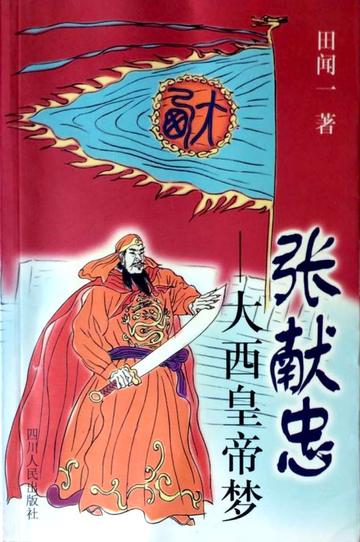
At the end of the Ming Dynasty and the beginning of the Qing Dynasty, Zhang Xianzhong, who was as famous as Li Zicheng and raised a flag to rebel from his hometown in northern Shaanxi, founded the Daxi Kingdom. Although it did not last long, its influence was extremely far-reaching.
When Zhang Xianzhong led his army to withdraw from Chengdu, Chengdu, which had 400,000 residents and had been one of the five most prosperous cities in the country as early as the Tang Dynasty, was burned to ashes overnight. The productivity of the entire Land of Abundance in Sichuan was devastated and the population dropped sharply. As a result, the "Huguang filled Sichuan" began in the early Qing Dynasty and lasted for more than a century. The author intercepted this historical fact.
From the time Zhang Xianzhong captured Chengdu and established the Daxi Kingdom, he wrote until Zhang Xianzhong died in Fenghuang Mountain in Xichong, and his four adopted sons changed their tune, raised the banner of uniting the Ming Dynasty to resist the Qing Dynasty, and moved to Yunnan, Guizhou, and Sichuan. In the violent turmoil and divisions, Li Dingguo persisted until the end and died of illness in the dense forest on the southwest border; thousands of martyrs who followed Zhang Xianzhong and Li Dingguo to fight for many years were laid to rest on the Chinese side of the Yunnan-Burma Line, with a high and solemn momentum.
Against the background of an extremely complex, turbulent and sharp era, and in the tense, ups and downs of the plot, the author uses vivid writing to unfold the fate of the characters in the conflicts and entanglements of their personalities. Zhang Xianzhong, Wang Zhixian, Wang Zhaolin, Liu "Empress" and Zhang Xianzhong's four adopted descendants Sun Kewang, Liu Wenxiu, Li Dingguo, Ai Nengqi and even the remaining Ming generals Yang Zhan and Zeng Ying were vividly portrayed. The whole book not only shows us the little-known historical scenes and figures of that period, but also unfolds the customs and sentiments of Chengdu during that period. It's as if windows of that period have been opened for us, and the view from them has a unique charm.
Reader comments
Since ancient times, those who succeed must win the hearts and support of the people. Liu Xuande, who proclaimed himself emperor in Shu, knew that he was "people-oriented" and divided the world. Zhang Xianzhong and others in later generations were only keen on bloodlust to maintain political power, robbing and breaking bones without caring about the lives of the people, and with an unstable foundation, it would be strange to be invincible.
The author Tian Wenyi was born in the southwest, loves the southwest, and has written many stories about the southwest culture. This book tells about Zhang Xianzhong who captured Chengdu and established the Daxi Kingdom in the late Ming and early Qing dynasties. In fact, in popular history, there are not many records about Zhang Xianzhong. This book starts from a historical perspective. The author writes about the rise and decline of Zhang Xianzhong, allowing readers to experience Zhang Xianzhong's extraordinary life immersively. Very exciting! Thanks to the author's superb writing skills, this book looks very enjoyable!
This is a history book with very dry content but not dry writing. The historical materials are detailed and the writing is sophisticated, making it easy for people to read. The Great Western Kingdom, which has only been mentioned briefly in history, is recorded in detail in this book. When reading, it is like traveling through time and space and participating in various deeds. I will feel grievances for the characters in it, I will not be angry at some of the deeds, I will feel regretful, and I will feel heartbroken. I would think about what would happen if it were me. When I came back to my senses, I realized that I was not a participant in history, but just a bystander. What a shame.
Everyone knows the absurd story that Li Zicheng had millions of soldiers, but he fell from power within a few days of becoming emperor. However, Zhang Xianzhong, the little overlord of Sichuan and Sichuan, is rarely praised. However, the people of Sichuan still pass on his legendary experience of the Great Western Kingdom orally. Compared with Li Zicheng, his story has more strength and loyalty in his character; although he is also cruel, superstitious, and willful; although his uprising ultimately ended in failure, history needs to be remembered. Looking for a moment, the author tells us about that unknown period of blood, tears, and love.
It is worth reading to understand Zhang Xianzhong's deeds in more detail.
After reading this book, I have the following thoughts:
1. Wang Zhixian should not be abandoned. When the army was short of food, Wang Zhixian came up with a plan to ask idle soldiers to cultivate and cultivate fields. However, it was only implemented for a period of time and then abolished. If Zhang Xianzhong had listened to Wang Zhixian at that time, the army would not have had enough food to eat, and in the end he could only use people to satisfy hunger.
2. Favored the traitor Wang Zhaolin, set up an investigation team, and killed an unknown number of people.
3. When the imperial examination was held, he was offended by something, so he killed all the people taking the examination. This offended all the scholars in Sichuan and left the people below with no talent to govern the country.
At the end of the Ming Dynasty, in the midst of the replacement and reform of social dynasties, the society was in turmoil, and uprisings were taking place everywhere, seeking their own rights. Zhang Xianzhong was a peasant leader in the late Ming Dynasty. He led the peasant uprising army in Sichuan, overthrew the Ming Dynasty regime, and established himself as the Emperor of Southwest Daxi. Adhering to the concept of resisting oppression and pursuing power, he led the rebel army in a series of war conquests and established a relatively independent regime. However, Zhang Xianzhong's ambition and cruelty eventually led to his downfall. During his reign, he carried out brutal rule and atrocities, which aroused dissatisfaction and resistance from the people. In the end, the Ming government sent troops to suppress, Zhang Xianzhong was defeated, his regime collapsed, and he himself did not die well.
Although the Daxi Kingdom founded by Zhang Xianzhong did not last long, its influence was extremely far-reaching. When Zhang Xianzhong led his army to withdraw from Chengdu, Chengdu was burned to ashes overnight; the productivity of the entire Land of Abundance Sichuan was devastated, and the population dropped sharply. As a result, "Huguang filled Sichuan" began in the early Qing Dynasty and lasted for more than a century. The author intercepted this historical fact. From the time Zhang Xianzhong captured Chengdu and established the Daxi Kingdom, he wrote until Zhang Xianzhong died in Fenghuang Mountain in Xichong, and his four adopted sons changed their tune, raised the banner of uniting the Ming Dynasty to resist the Qing Dynasty, and moved to Yunnan, Guizhou, and Sichuan. In the violent turmoil and divisions, Li Dingguo persisted until the end and died of illness in the dense forest on the southwest border; thousands of martyrs who followed Zhang Xianzhong and Li Dingguo for many years were laid to rest on the Chinese side of the Yunnan-Myanmar border, with high and solemn momentum.
I feel that the writing is more realistic. Zhang Xianzhong was murderous and his capricious character led to the tragic failure of the uprising, and he could not escape the punishment of history in the end.
The author of this book was born in the southwest, loves the southwest, and has written many stories about the southwest culture. This book tells about Zhang Xianzhong who captured Chengdu and established the Daxi Kingdom in the late Ming and early Qing dynasties. In fact, in popular history, there are not many records about Zhang Xianzhong. This book starts from a historical perspective. The author writes about the rise and decline of Zhang Xianzhong, allowing readers to experience Zhang Xianzhong's extraordinary life immersively. Very exciting! Thanks to the author's superb writing skills, this book looks very enjoyable!
Brilliant, very beautiful
Before reading this book, I never thought that history contained so many joys and sorrows. I have always stereotyped that history belongs to those big figures whose names go down in history, but in this book I saw the life of every inconspicuous person. They shed blood and made sacrifices during this period of history, but they were not known to the public. They are the cornerstones of history, unknown but real. After reading it, I lamented the cruelty of that society in the past, and couldn't help but feel grateful that I live in a modern society.
The content of this book is so exciting! It tells the story of Zhang Xianzhong and gave me a deeper understanding of the history of that period. The characters in the book are vividly portrayed, and I especially like the character Zhang Xianzhong. His classic saying "All things are born to nourish people, and people harm all things to defy nature" impressed me deeply. I recommend you to read this book, you will definitely gain a lot!
The writing is really wonderful and beautiful. I give it a thumbs up.
Was there a Dream of Red Mansions at that time?
The historical information is detailed and I love reading it!
Past events in Nanming, a dream in Daxi
A very good novel
A very well written book
The writing is very good, the description is very vivid, and the scenes and characters' psychology are well portrayed.
A good editor writes well!
Wonderful, keep up the good work!
I saw the text I wanted to see.
Keep up the good work
Very good keep up the good work
History is a book, left for the world to comment on
Good content, everyone should check it out
The historical materials are informative and the writing is free and easy, without being muddled or muddled.
A very good book.
The story is objective and vivid, the characters are vivid and fascinating.
Well written and consistent with historical facts! ! !
It's so vivid that I can't help but feel like I'm immersed in it, and I understand a piece of unknown history. It's a lot of knowledge.



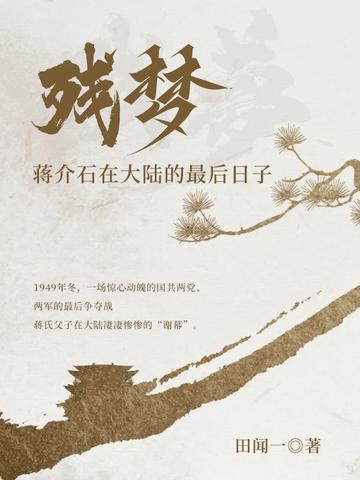
Since ancient times, those who succeed must win the hearts and support of the people. Liu Xuande, who proclaimed himself emperor in Shu, knew that he was "people-oriented" and divided the world. Zhang Xianzhong and others in later generations were only keen on bloodlust to maintain political power, robbing and breaking bones without caring about the lives of the people, and with an unstable foundation, it would be strange to be invincible.
The author Tian Wenyi was born in the southwest, loves the southwest, and has written many stories about the southwest culture. This book tells about Zhang Xianzhong who captured Chengdu and established the Daxi Kingdom in the late Ming and early Qing dynasties. In fact, in popular history, there are not many records about Zhang Xianzhong. This book starts from a historical perspective. The author writes about the rise and decline of Zhang Xianzhong, allowing readers to experience Zhang Xianzhong's extraordinary life immersively. Very exciting! Thanks to the author's superb writing skills, this book looks very enjoyable!
This is a history book with very dry content but not dry writing. The historical materials are detailed and the writing is sophisticated, making it easy for people to read. The Great Western Kingdom, which has only been mentioned briefly in history, is recorded in detail in this book. When reading, it is like traveling through time and space and participating in various deeds. I will feel grievances for the characters in it, I will not be angry at some of the deeds, I will feel regretful, and I will feel heartbroken. I would think about what would happen if it were me. When I came back to my senses, I realized that I was not a participant in history, but just a bystander. What a shame.
Everyone knows the absurd story that Li Zicheng had millions of soldiers, but he fell from power within a few days of becoming emperor. However, Zhang Xianzhong, the little overlord of Sichuan and Sichuan, is rarely praised. However, the people of Sichuan still pass on his legendary experience of the Great Western Kingdom orally. Compared with Li Zicheng, his story has more strength and loyalty in his character; although he is also cruel, superstitious, and willful; although his uprising ultimately ended in failure, history needs to be remembered. Looking for a moment, the author tells us about that unknown period of blood, tears, and love.
It is worth reading to understand Zhang Xianzhong's deeds in more detail.
After reading this book, I have the following thoughts: 1. Wang Zhixian should not be abandoned. When the army was short of food, Wang Zhixian came up with a plan to ask idle soldiers to cultivate and cultivate fields. However, it was only implemented for a period of time and then abolished. If Zhang Xianzhong had listened to Wang Zhixian at that time, the army would not have had enough food to eat, and in the end he could only use people to satisfy hunger. 2. Favored the traitor Wang Zhaolin, set up an investigation team, and killed an unknown number of people. 3. When the imperial examination was held, he was offended by something, so he killed all the people taking the examination. This offended all the scholars in Sichuan and left the people below with no talent to govern the country.
At the end of the Ming Dynasty, in the midst of the replacement and reform of social dynasties, the society was in turmoil, and uprisings were taking place everywhere, seeking their own rights. Zhang Xianzhong was a peasant leader in the late Ming Dynasty. He led the peasant uprising army in Sichuan, overthrew the Ming Dynasty regime, and established himself as the Emperor of Southwest Daxi. Adhering to the concept of resisting oppression and pursuing power, he led the rebel army in a series of war conquests and established a relatively independent regime. However, Zhang Xianzhong's ambition and cruelty eventually led to his downfall. During his reign, he carried out brutal rule and atrocities, which aroused dissatisfaction and resistance from the people. In the end, the Ming government sent troops to suppress, Zhang Xianzhong was defeated, his regime collapsed, and he himself did not die well.
Although the Daxi Kingdom founded by Zhang Xianzhong did not last long, its influence was extremely far-reaching. When Zhang Xianzhong led his army to withdraw from Chengdu, Chengdu was burned to ashes overnight; the productivity of the entire Land of Abundance Sichuan was devastated, and the population dropped sharply. As a result, "Huguang filled Sichuan" began in the early Qing Dynasty and lasted for more than a century. The author intercepted this historical fact. From the time Zhang Xianzhong captured Chengdu and established the Daxi Kingdom, he wrote until Zhang Xianzhong died in Fenghuang Mountain in Xichong, and his four adopted sons changed their tune, raised the banner of uniting the Ming Dynasty to resist the Qing Dynasty, and moved to Yunnan, Guizhou, and Sichuan. In the violent turmoil and divisions, Li Dingguo persisted until the end and died of illness in the dense forest on the southwest border; thousands of martyrs who followed Zhang Xianzhong and Li Dingguo for many years were laid to rest on the Chinese side of the Yunnan-Myanmar border, with high and solemn momentum.
I feel that the writing is more realistic. Zhang Xianzhong was murderous and his capricious character led to the tragic failure of the uprising, and he could not escape the punishment of history in the end.
The author of this book was born in the southwest, loves the southwest, and has written many stories about the southwest culture. This book tells about Zhang Xianzhong who captured Chengdu and established the Daxi Kingdom in the late Ming and early Qing dynasties. In fact, in popular history, there are not many records about Zhang Xianzhong. This book starts from a historical perspective. The author writes about the rise and decline of Zhang Xianzhong, allowing readers to experience Zhang Xianzhong's extraordinary life immersively. Very exciting! Thanks to the author's superb writing skills, this book looks very enjoyable!
Brilliant, very beautiful
Before reading this book, I never thought that history contained so many joys and sorrows. I have always stereotyped that history belongs to those big figures whose names go down in history, but in this book I saw the life of every inconspicuous person. They shed blood and made sacrifices during this period of history, but they were not known to the public. They are the cornerstones of history, unknown but real. After reading it, I lamented the cruelty of that society in the past, and couldn't help but feel grateful that I live in a modern society.
The content of this book is so exciting! It tells the story of Zhang Xianzhong and gave me a deeper understanding of the history of that period. The characters in the book are vividly portrayed, and I especially like the character Zhang Xianzhong. His classic saying "All things are born to nourish people, and people harm all things to defy nature" impressed me deeply. I recommend you to read this book, you will definitely gain a lot!
The writing is really wonderful and beautiful. I give it a thumbs up.
Was there a Dream of Red Mansions at that time?
The historical information is detailed and I love reading it!
Past events in Nanming, a dream in Daxi
A very good novel
A very well written book
The writing is very good, the description is very vivid, and the scenes and characters' psychology are well portrayed.
A good editor writes well!
Wonderful, keep up the good work!
I saw the text I wanted to see.
Keep up the good work
Very good keep up the good work History is a book, left for the world to comment on
Good content, everyone should check it out
The historical materials are informative and the writing is free and easy, without being muddled or muddled. A very good book.
The story is objective and vivid, the characters are vivid and fascinating.
Well written and consistent with historical facts! ! !
It's so vivid that I can't help but feel like I'm immersed in it, and I understand a piece of unknown history. It's a lot of knowledge.