During the compilation of this book, most of the selected essays were works the author had previously published in columns on various websites. The author, Zhang Ming, is a professor at Renmin University with a profound understanding of Chinese history. Following the course of Chinese history, particularly modern Chinese history, the book is divided into six sections: Why Feudal Dynasties Fell, Late Qing Reforms, The Smoke of the Republic, East and West in Comparison, Changing Times, and Essays and Anecdotes.
In the first section, the author examines issues such as factional struggles in the Song dynasty and the Qing dynasty’s isolationist policies, concluding that feudal dynasties fell because of excessive arrogance and bloated institutions. In the second section, he revisits and analyzes historical events such as the Self-Strengthening Movement, the Hundred Days’ Reform, and Yuan Shikai’s New Army, offering readers a clearer picture of late Qing history through its details. In the third section, drawing on detailed historical sources, he recreates the May Fourth Movement’s role in advancing China’s development, as well as how policies under the Nationalist government burdened ordinary people. In the fourth section, detailed depictions of the lives of Westerners living in the foreign concessions of Beijing and Shanghai in the 1920s illustrate how East-West cultural conflicts manifested during a unique period. In the fifth section, the author mainly reflects on contemporary education and various social phenomena from a teacher’s perspective. The sixth section primarily collects essays in which the author discusses life and how to conduct oneself.
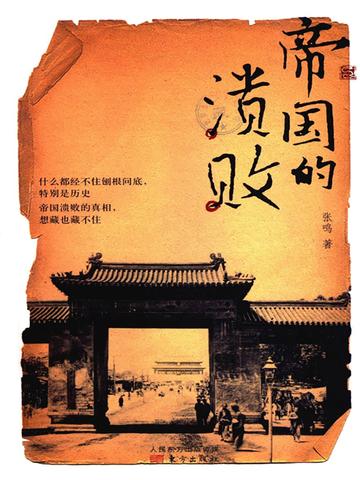
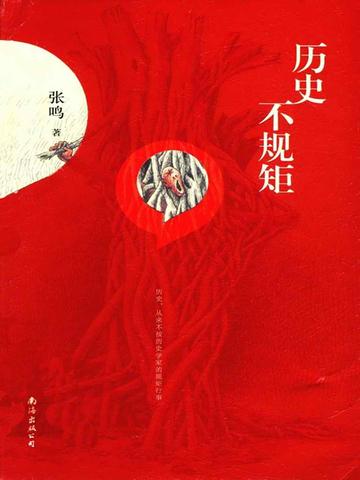 History, Unrestrained
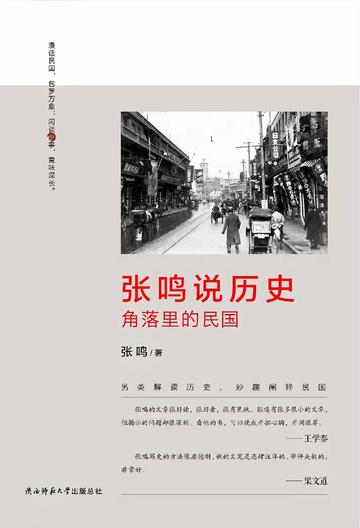 Zhang Ming on History: The Republic of China in the Shadows
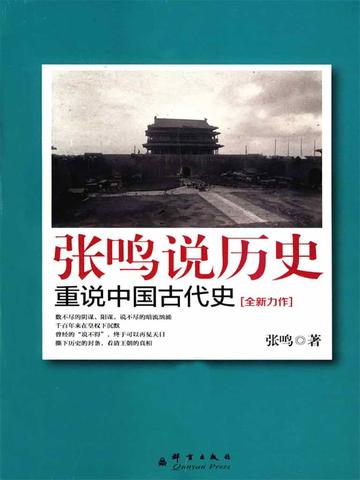 Zhang Ming on History: A New Look at Ancient Chinese History
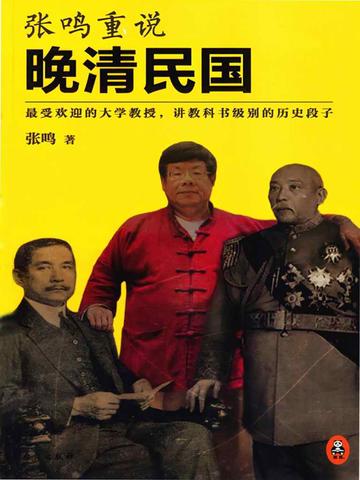 Zhang Ming Reexamines the Late Qing and Republican Eras
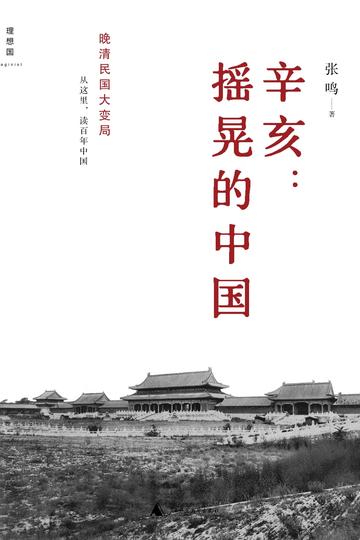 The 1911 Revolution: A China in Turmoil
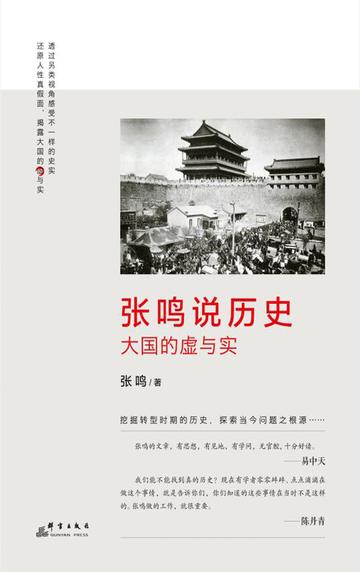 Zhang Ming Explains History: The Illusions and Realities of a Great Nation
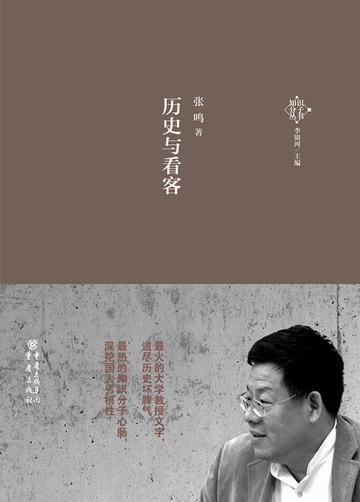 History and the Onlookers
The following content has little to do with the title of the book, but it contains true feelings and profound disclosures of social phenomena and issues, inspiring and thinking. For the heroes who fought and sacrificed on the anti-Japanese battlefield, regardless of their party origin, whether they won or lost the battle, they should be fairly evaluated and respected. After reading the last chapter, I couldn't help but feel sad for the injustice suffered by the author's father and his comrades in that era.
This kind of writing structure that spans ancient and modern times, both at home and abroad, has a very high knowledge content.