Stats
5.8Score
Synopsis
No synopsis yet.
We haven’t got an English blurb for this one. It appears once the source description has been translated.
Reader comments
In booklists 3
Nobel Prize for Literature, Mao Dun Literature Prize, Lu Xun Literature Prize and Other Literary Works
I want to read a book similar to "One Sentence is Worth Ten Thousand Sentences: Collector's Edition".
122.1MViews701Books3dUpdated
World Famous Books
🍅All the world famous books I can find are thrown at me, I can bear it
9.3MViews764Books3dUpdated

A Philosophy Book Cloaked in Fantasy, Rigorous and True
Rigorous and true
27kViews7Books3yUpdated
"First of all, for me, poverty has never been a misfortune... I am between poverty and sunshine. Because of poverty, I will not believe that everything is beautiful under the sun and in history; and sunshine makes me understand that history is not everything."
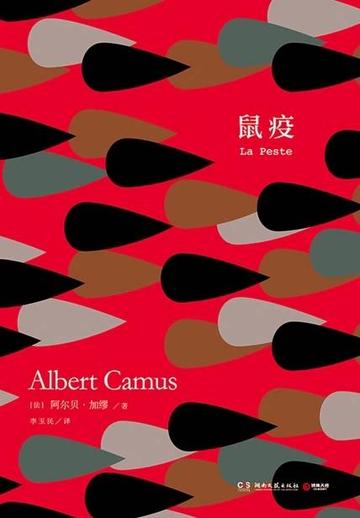
Good books always leave me with a sense of loss after reading them. This is the case with "The Plague". After experiencing the epidemic, I feel more and more real about it, and the people in the book are actually microcosms of the people around us. What impressed me most was that after the epidemic passed, people cheered in the streets, but some people were crazy, some were sad, and some thought of their departed relatives. The whole world was cheering, but people in this world were also lonely. Loneliness is a normal state. Even if you are partying, you are still lonely.
When I first read this book, I had a preconception that it was a satire on human beings' self-inflicted suffering, or the plague caused by arrogance. At first, I saw Rambert's panic and his desire to get out of this environment as if it was nothing to do with himself. I saw Tarrou's strange attention to people and heard Rieux's voice about the plague. As the third part progresses, things begin to change slowly. The public mentality, the unity of doctors and volunteers, Rambert's transformation, Tarrou's confession to Rieux, all the emotions accumulated in the previous parts begin to explode at this time. The final outcome will not be disclosed, but my own focus is on Rieux's observation of people, human emotions, and human life needs to be awakened by warmth.
Confronting Absurdity and Dilemma: Review of "The Plague" Albert Camus's "The Plague" has become an immortal classic in the history of literature with its unique perspective and profound connotation. On the surface, this work tells the story of the plague in Oran City, but in fact it contains in-depth thoughts on the human condition of existence, moral choices and the absurd world. In the book, Camus vividly describes the horrific scene in Oran during the outbreak of plague. The city is blocked, people are isolated from the outside world, and the shadow of death hangs over every corner. The order of daily life was completely broken, and people fell into endless fear and despair. Through delicate descriptions, Camus makes readers feel as if they are in a city full of death, and truly feel the cruelty of disaster and the fragility of life. The different reactions of the characters in the book when facing the plague show the complex and multifaceted nature of human nature. Dr. Rieux represents a staunch resister. Regardless of his personal safety, he fights on the front line of the epidemic day and night, showing his humanitarian spirit and respect for life. Tarrou is an idealist. He actively participates in epidemic prevention work and tries to fight against the absurd world through his own actions. Rambert initially wanted to escape the plague-shrouded city and return to his lover. His struggle reflected the difficult choice of ordinary people between personal emotions and social responsibilities. These characters have distinct images, and their behaviors and thoughts are intertwined, forming a colorful picture of human nature. From a philosophical perspective, "The Plague" is a profound analysis of the absurd world. The outbreak of plague occurred without warning, just like a sudden disaster in life. People could not understand why it happened, and it was difficult to find a complete solution. In this absurd situation, Camus put forward the philosophical thought of "resistance". He believes that although the world is absurd, human beings cannot despair and sink because of this, but must resist with a positive attitude and find the meaning of life in resistance. This kind of resistance is not about blindly fighting fate, but about adhering to one's own values and moral bottom line and fighting for justice and dignity while acknowledging the absurdity. The meaning of "The Plague" still has important practical significance today. It allows us to see that no matter how difficult and challenging we face, human beings should never give up hope and courage. In real life, we will also encounter various "plagues", such as diseases, wars, disasters, etc. These difficulties may make us feel scared and helpless, but as long as we unite as one and actively resist, we will be able to overcome them. At the same time, "The Plague" also reminds us to cherish our current life, pay attention to the fate of others, and stick to our own beliefs and pursuits in ordinary life. "The Plague" is a work with profound ideological connotation and literary value. Through a seemingly simple story, it triggers our in-depth thinking on many issues such as human nature, life, and the absurd world. With his unique writing style and profound insight, Camus shows us the struggle and resistance of human beings in difficult situations. During the reading process, we can not only feel the charm of literature, but also draw strength from it to bravely face various challenges in life.
Reading "The Plague" during the COVID-19 epidemic gave me a different feeling.
Many of the to-the-point comments are also applicable to my current experience or occasional social phenomena. For example, "They are just like this, falling between the peak and the abyss, unable to go up or down, floating there, not like living at all, just living day by day without direction, indulging in boring memories, like wandering ghosts. If they want to draw some strength, they can only take root in the painful soil."
"What is the plague? The plague is life." Everyone is fighting against life. This is an epic that belongs to ordinary people.
The feeling of being there. The mood changes with the plot. The author writes very well. As if this were real.
Awesome, classic translation~
After reading this book, I have a better understanding of life, or to be precise, my attitude towards life and struggle. The second is the understanding of human nature. Due to my limited experience, I have insufficient understanding of the complexity of human nature. I only know that it is complicated because someone told me, but I don't know how or why. This book broadened my horizons and provided a reference for my yet-to-be-perfected three views.
This book is very realistic and the characters are very vividly drawn. Dr. Rieux is really great. He has been working hard to help everyone during the plague, which moved me very much. However, I kind of hate the man named Cotal. He is too selfish and only thinks about his own interests. But that's life, there are good people and bad people. Overall, this book helped me understand more about the need for unity in difficult situations and the courage to pursue truth and justice.
A showdown between people and disaster, well written
Worthy of being the Nobel Prize winner Camus!
One of the recommended books on campus
He is truly a great prophet
Beautiful, classic
From Rieux, we can see people's responsibility, responsibility and righteousness.