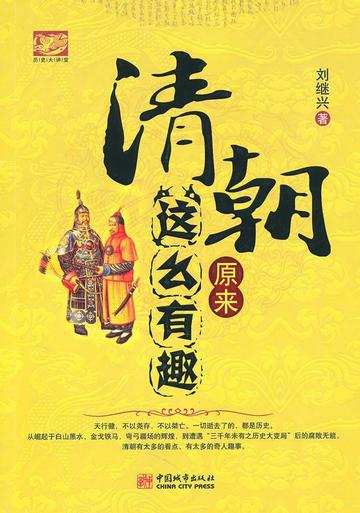
The Qing dynasty, which rose to power with just thirteen suits of armor amid the forests and mountains of the northeast and went on to claim the empire, conquered all of China with a mere hundred thousand Eight Banner troops and ruled for 268 years. It can only be called a miracle. Like every feudal dynasty that "begins well, but rarely ends well," the Qing dynasty too, after its rise and glory, could not escape its fate of vanishing into dust.
As I read about the Qing dynasty, I was moved by its arduous rise in the early years, applauded the flourishing reigns of Kangxi and Qianlong, admired the Tongzhi and Guangxu Restoration and the extraordinary talents who emerged to save the dynasty from collapse, and felt the weight of its encounter with "the greatest upheaval in three thousand years of history." Above all, I lamented the corruption and incompetence that spread from top to bottom in its final years. Such is history: cold, yet touched with warmth. It makes you rejoice and makes you weep. It stirs your blood, yet also leaves you with an inexplicable melancholy.