
The Rules of Survival for the Chinese
中国人的生存规矩
- Status
- Completed
- Length
- 137k Words
- Genre
- Historical
- Subgenre
- Unknown
- Updated
- 5y ago
- Source
- Fanqie
Synopsis
Tags
8Chapters
67Reads
8.1Score
7Listens
44.8kReads · all time
More by this author
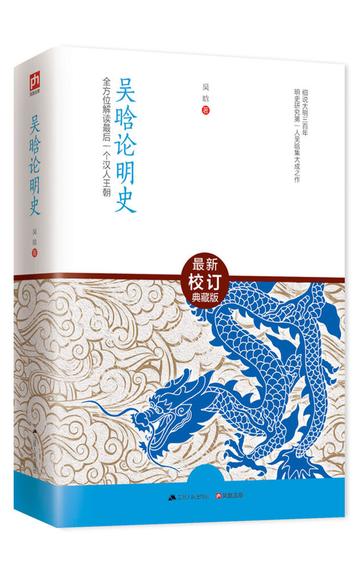 Wu Han on Ming History
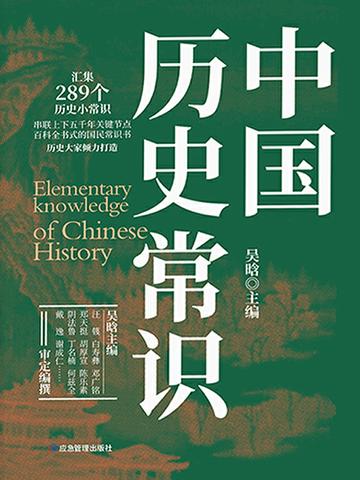 Chinese Historical Knowledge
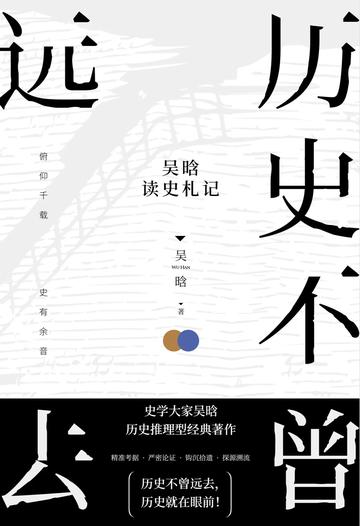 History Is Never Far Away: Wu Han's Reading of Historical Notes
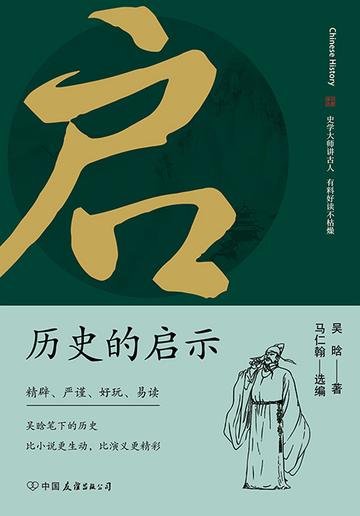 Historical Inspiration
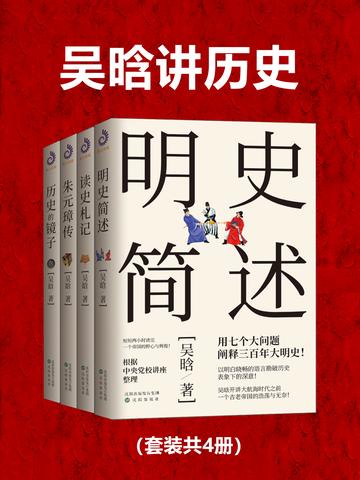 Wu Han Talks About History (Set of 4 Volumes)
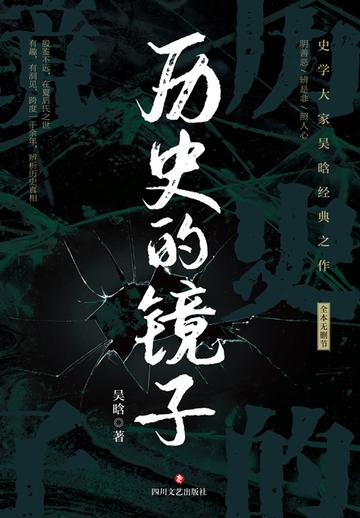 The Mirror of History
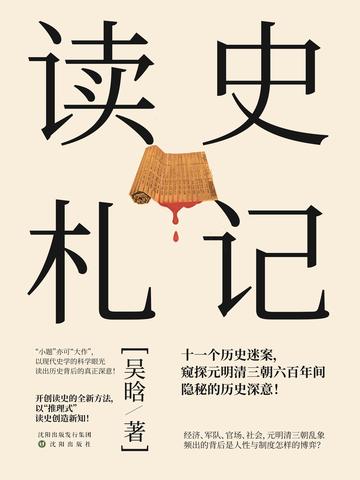 Historical Reading Notes
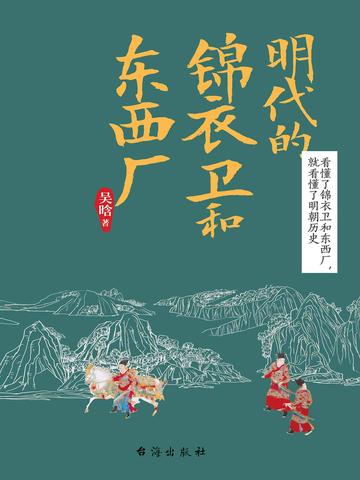 The Embroidered Uniform Guard and the Eastern and Western Depots of the Ming Dynasty
 A Grand History of the Ming Dynasty
 Common Knowledge of Chinese History (2021 Edition)
 A Brief History of the Ming Dynasty
 Imperial Power, Gentry Power, and Ministerial Power: A Scholar's Take on History
In booklists 5

Useful Books About Practical Life Skills
Looking for books similar to *Essential Survival and Life Skills*.
867Books25.5MViews20hUpdated



Looking for Inspirational Novels to Snap Me Out of Not Studying 😭
413Books11.7MViews4dUpdated
Classic Novels Required Reading in High School
Looking for books similar to Rural China. Please recommend some high school classics, these kids really need them. Thank you.
640Books1.7MViews6dUpdated





Rated 9.9: Urban Cultivation with Great Illustrations and Lasting Appeal
I'd like to read something similar to "After Dropping Out of School, I Became the Female CEO's Personal Bodyguard."
338Books620.9kViews10dUpdated


Late-Night Book Recs: What Are Some Books You Think Are Worth Reading?
Looking for books similar to Honey, Please Keep It Down. I'm desperate for something to read late at night and searching everywhere... Everyone, recommend some here! What books do you think are worth reading?
191Books11.5kViews6moUpdated
Reader comments 6
Translated by Google Translate
To put it bluntly, the rules of survival are to understand one's position in the social hierarchy or social hierarchy structure, as well as the society's role expectations for this position, and then to act honestly and in accordance with this requirement. If you violate these rules, you may suffer an existential crisis. Therefore, if you want to understand the rules of survival of Chinese people, it is very important to understand the social order set by Chinese traditional culture and historical systems. As a famous historian of modern China, Mr. Wu Han used popular language to explain the survival rules of various characters, from emperors to common people, very thoroughly and interestingly.
This book interprets the ancient Chinese survival rules from a unique perspective, which deeply inspired me. Mr. Wu Han showed the living conditions of different classes in feudal society through rich historical materials and wonderful discussions. Just like what is said in the book, "A family with food and salary is equal to the common people." This reminds me of the Jia family in "A Dream of Red Mansions". They are also feudal aristocrats, and they also have their own rules and hierarchies for survival. This book is of great help to our understanding of ancient Chinese society and human nature, and is worth reading.
Chinese people are very introverted, which is reflected in the fact that they cannot say "love" at home. They follow the principle of "shooting off the first bird" at work and do not like to be pushy. Elders and authority figures in the family and society are regarded as noble beings and should be respected and admired. In Chinese social situations, people usually pay attention to their manners and words, and show politeness and respect as much as possible. Chinese people generally believe that diligence and frugality are important factors for success, so hard work and careful budgeting are very common ways of life. And there are still many unspeakable hidden rules in Chinese society.
Under the influence of Confucian culture and feudalism for thousands of years, the Chinese people have formed their own unique rules of survival. In Chinese society, maintaining social harmony and maintaining face are important survival principles. People usually try to avoid quarrels and conflicts, focus on maintaining the harmony of social relationships, and pay attention to their own and other people's face. Different from the self-centered atmosphere abroad, people value family unity and affection, respect their parents and ancestors, and put the interests of the family first.
Confucius said that everyone has his own social identity in society, and we must behave and behave as required by this identity. The king must behave like a king, and his ministers must abide by the principles of conduct of ministers. Neither the emperor nor his ministers should cross the line. Only in this way can harmonious development be carried out. This book explores the Chinese people's principles of life from ancient historical events, and understands the wisdom of survival in the trajectory of history.
It's a good book about how to behave in the world.