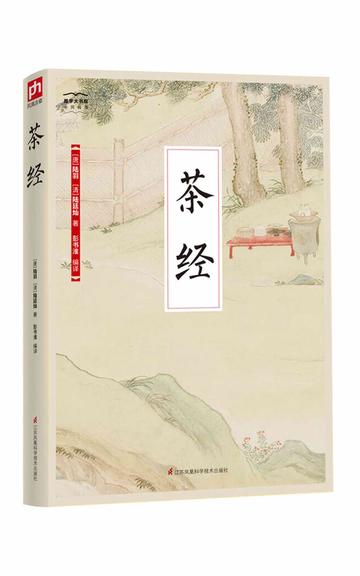
"The Classic of Tea" is the world's first monograph on tea. The content includes ten chapters including the origin of tea, tea-making utensils, tea picking and processing, tea-making methods, tea affairs of the past dynasties, and the origin of tea. It provides a detailed introduction to the development and evolution of my country's ancient tea industry, which is of great historical value. The "Continued Tea Classic" is also a completely independent classic work. This book collects a lot of tea information after the Tang Dynasty and conducts textual research. The "Sikuquanshu General Catalog" calls this book "a complete supplement one by one, which is quite practical and complicated to cite." The two works are collectively called the "Tea Classic", which basically covers the Chinese people's understanding of tea and the evolution of tea ceremony before the Tang Dynasty and the Qing Dynasty. It is a good summary and summary of tea culture. It is a classic of Chinese studies worth reading!
Reader comments
Nowadays, the major of tea studies chosen in the college entrance examination is also a good employment major. This is due to the Chinese people's habit of drinking tea. Now not only the successful big bosses will go to teahouses when discussing business, but some elderly people and chess players who love tea will go to drink tea in their spare time. Now more and more young people have begun to fall in love with drinking tea, because teahouses have now developed into new teahouses, suitable for young people. The author's book describes the essence of tea culture, not only the origin and development of tea culture, but also a detailed description of tea sets, tea leaves and tea making. It looks very self-cultivation.
I have read many books about tea ceremony. But there are very few that really allow me to learn tea-drinking methods and techniques. After reading this book, if someone asks me to recommend another book about tea ceremony, this book will be the first choice. The book is the world's first specialized work on tea, and also the first important historical document in the history of Chinese tea that systematically and completely combines the spirit of tea science with the spirit of aesthetics. There is no profound theory or empty talk in the book. The author discusses in detail the origin, collection, brewing, tea utensils, tea people, tea ceremonies, tea tasting, tea ceremony, etc. Of tea, making tea affairs a part of daily life. "The way of tea is to take a break from busy work, have fun in hardship, enjoy a little beauty and harmony in incomplete reality, and experience eternity in a moment. It is better to have tea."
I first learned about tea culture from the TV series "Knowing It", and later I read in books that tea during the Three Kingdoms period was made from green onions and other seasonings, and was called tea soup. I have always been interested in the culture of tea. Only then did I know from Baidu that tea sage Lu Yu once wrote such a book. In the book, Mr. Lu not only introduced the origin of tea, but also introduced the types of tea sets. Mr. Lu also carefully crafted 24 tea sets specifically for drinking tea. The classification of tea is also introduced in detail later. It can be said that this book is really a must-have for tea lovers.
Tea is made of fine wood in the south, ranging from one foot to two feet, or even dozens of feet. There are two people hugging each other in the Bashan Gorge, and they cut them down. The trees are like melon reeds, with leaves like gardenias, flowers like white roses, and are actually like palm trees, with stems like cloves and roots like walnuts. The imperial court intended to keep Lu Yu as an official in Beijing, but he refused and continued to travel around the country to promote tea art. His influence made the tea industry flourish. Before the Tang Dynasty, tea was mostly used for medicinal purposes, and only a few areas used tea as a beverage. After Lu Yu, tea became the main beverage among Chinese people. Tea flourished in the Tang Dynasty, and the practice of drinking tea became popular in the north and south of the Yangtze River. Drinking tea has become an important part of Chinese culture. Lu Yu is called China's Tea Sage by later generations.
"Drinking tea is not only an ordinary thing in life, but also a profound cultural interest. Throughout the history of tea in our country, we can see many stories about Chinese literati and tea." This is something I couldn't understand before reading this book. I couldn't understand what the elders tasted tea, nor did I understand the rich knowledge contained in tea. This tea book by Lu Yu is worthy of the title of tea encyclopedia. It is not only an incisive agricultural work, but also a masterpiece that promotes the development of Chinese tea culture.
Especially when I saw the description of tea in the book, I couldn't help but marvel at the magic of nature. Moreover, by reading this book, I also understood a truth. Just like making tea, everything in life requires us to taste and experience it with our hearts in order to feel the beauty of it. I think this book is not only suitable for tea drinkers, but also for all friends who are interested in traditional Chinese culture.
The tea classics are good, everything is fine.
It's good to take a look around when you have nothing to do
Very good very good
The right way to drink tea. Unexpectedly, the opening chapter actually describes the properties of ginseng~high-grade Codonopsis ginseng, medium-grade Silla Baekje ginseng, and low-grade Korean ginseng.
Nowadays, the major of tea studies chosen in the college entrance examination is also a good employment major. This is due to the Chinese people's habit of drinking tea. Now not only the successful big bosses will go to teahouses when discussing business, but some elderly people and chess players who love tea will go to drink tea in their spare time. Now more and more young people have begun to fall in love with drinking tea, because teahouses have now developed into new teahouses, suitable for young people. The author's book describes the essence of tea culture, not only the origin and development of tea culture, but also a detailed description of tea sets, tea leaves and tea making. It looks very self-cultivation.
I have read many books about tea ceremony. But there are very few that really allow me to learn tea-drinking methods and techniques. After reading this book, if someone asks me to recommend another book about tea ceremony, this book will be the first choice. The book is the world's first specialized work on tea, and also the first important historical document in the history of Chinese tea that systematically and completely combines the spirit of tea science with the spirit of aesthetics. There is no profound theory or empty talk in the book. The author discusses in detail the origin, collection, brewing, tea utensils, tea people, tea ceremonies, tea tasting, tea ceremony, etc. Of tea, making tea affairs a part of daily life. "The way of tea is to take a break from busy work, have fun in hardship, enjoy a little beauty and harmony in incomplete reality, and experience eternity in a moment. It is better to have tea."
I first learned about tea culture from the TV series "Knowing It", and later I read in books that tea during the Three Kingdoms period was made from green onions and other seasonings, and was called tea soup. I have always been interested in the culture of tea. Only then did I know from Baidu that tea sage Lu Yu once wrote such a book. In the book, Mr. Lu not only introduced the origin of tea, but also introduced the types of tea sets. Mr. Lu also carefully crafted 24 tea sets specifically for drinking tea. The classification of tea is also introduced in detail later. It can be said that this book is really a must-have for tea lovers.
Tea is made of fine wood in the south, ranging from one foot to two feet, or even dozens of feet. There are two people hugging each other in the Bashan Gorge, and they cut them down. The trees are like melon reeds, with leaves like gardenias, flowers like white roses, and are actually like palm trees, with stems like cloves and roots like walnuts. The imperial court intended to keep Lu Yu as an official in Beijing, but he refused and continued to travel around the country to promote tea art. His influence made the tea industry flourish. Before the Tang Dynasty, tea was mostly used for medicinal purposes, and only a few areas used tea as a beverage. After Lu Yu, tea became the main beverage among Chinese people. Tea flourished in the Tang Dynasty, and the practice of drinking tea became popular in the north and south of the Yangtze River. Drinking tea has become an important part of Chinese culture. Lu Yu is called China's Tea Sage by later generations.
"Drinking tea is not only an ordinary thing in life, but also a profound cultural interest. Throughout the history of tea in our country, we can see many stories about Chinese literati and tea." This is something I couldn't understand before reading this book. I couldn't understand what the elders tasted tea, nor did I understand the rich knowledge contained in tea. This tea book by Lu Yu is worthy of the title of tea encyclopedia. It is not only an incisive agricultural work, but also a masterpiece that promotes the development of Chinese tea culture.
Especially when I saw the description of tea in the book, I couldn't help but marvel at the magic of nature. Moreover, by reading this book, I also understood a truth. Just like making tea, everything in life requires us to taste and experience it with our hearts in order to feel the beauty of it. I think this book is not only suitable for tea drinkers, but also for all friends who are interested in traditional Chinese culture.
The tea classics are good, everything is fine.
It's good to take a look around when you have nothing to do
Very good very good
The right way to drink tea. Unexpectedly, the opening chapter actually describes the properties of ginseng~high-grade Codonopsis ginseng, medium-grade Silla Baekje ginseng, and low-grade Korean ginseng.