Stats
Tags
Synopsis
Reader comments
In booklists 12
Books That Students Should Read, In-Volume Essentials
Mathematics, Chinese, English, chemistry, physics, biology, geography, history, ancient poetry...
A Book That Can Help You Learn and Increase Your Knowledge
Knowledge that can increase (useful, practical), interesting and not boring
I Read Secretly During the Holidays and Became Obsessed with My Classmates' Books.
I would like to read a book similar to "How to Read a Book".
I Want to Study (Internal Volume), Please Recommend a Book
An Internal Essay About Killing a Classmate. as Long as You Can Learn Knowledge
A Book for Late-Night Study
I Want to Read the Books That Qi Xia Has Read
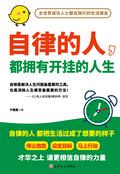
A Book on Self-Discipline and Learning Methods
A book on self-discipline and learning methods
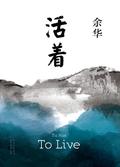
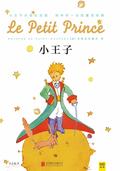
Nobel Prize in Literature Works with a Score of 9.0 or Above
I Am Looking for Books to Improve Myself, Whether It Is About Knowledge or How to Deal with People.
I want to read a book like "Rich People Think Differently from You".
The Kind of Book Where You Can Learn a Lot of Practical Knowledge for Free.
I want to read a book similar to "The Art of Testing Chinese Characters". Question: I read a novel. The realms in the novel are warlocks, human masters, earth masters, and heavenly masters. Then someone commented that behind the Heavenly Master there was a real person. I am interested in Taoist culture, but I don't know what the realm of real people is
Learning Books
I want to read a book similar to "Stumping You Without Negotiation: A Complete Collection of the Coldest and Unpopular Knowledge". There is no requirement for books. They can be liberal arts books, science books, computer science books, or books on a certain subject, including miscellaneous professional books.
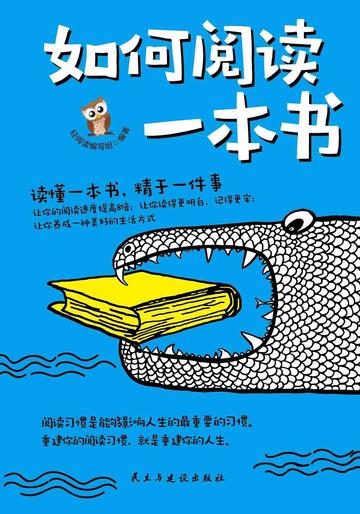
The first two chapters of this book mainly talk about reading 3W1H and reading levels and the four questions of reading: "What is this book about? What problem does the author solve through this book? Does this book make sense? What does this book have to do with me?" Chapters 3 and 4 mainly talk about how to read quickly and intensively, including how to formulate a mind map. Chapters 5 to 7 mainly write about thematic reading method and how to write and read. The last chapter mainly talks about how to stimulate reading interest and reading plan. Finally, I quote a passage from the book: Lu You wrote in his poem: "What you read on paper will eventually make you feel shallow, but you will never know that you have to practice it." Reading is not just about obtaining information on paper. To maximize the effectiveness of reading, you must put it into practice. Learning and applying, learning and thinking, and learning and transmitting are practices that bring different effects to different books.
When it comes to reading, I feel like I have finished reading a book from beginning to end. After reading this book, I realized that I had devoured the book before and gradually forgot the content of the original book. This book has inspired me to put it into practice [Thinking]
The following is my current summary of the key points about this book. If you need it, you can like it, copy and paste it and take it away. 1 3W1h Among them, why is why you should read it, which solves the problem of what content you should read and avoids unclear purpose. Where requires us to have a comfortable reading environment and posture Among them, the postures have the following simple requirements: 1 The light is soft and moderate 2. 40_20-20 Rule, look 20 feet (6 meters) away for 20 seconds every 40 minutes What is what book to read? Famous staple foods (textbooks), snacks (novel), vegetables (reference books), delicacies (you should be like a bird flying to your mountain) 2@ Deep planting water chestnut shallow planting rice - the level of reading Basic reading It is the literacy stage, which requires being able to understand the meaning of the text. View reading Mainly in three aspects An article is required to summarize the central idea and key points of the article. For a book, what is the structure of the book (I think it is sequential or flashback, and others), what is said in each chapter, and how should the book be classified? When buying books in physical bookstores, we usually flip through them first, looking at the title, author profile, edition, and table of contents, and then skim the contents of each chapter before deciding whether to buy the book (here we already know a lot about the book through the title, but some books cannot be seen at once, so you need to read it) Analytical reading, you will fully absorb the knowledge of the book 1 method 2 points to note Method, the content of questions asked in analytical reading is more detailed and systematic, and the process of asking questions is the process of deepening understanding. (But the author did not mention the specific direction and content. There may be more later, so take a look and talk about it later) 2 points to note Unless you are proficient in analytical reading skills, you should not analyze a book you don't understand at all. Analytical reading is more suitable for "staple food" and "gourmet" books. Topic reading Interpretation, related reading through the reading of books on multiple topics, so it also becomes comparative reading There are two basic prerequisites for thematic reading: one is to have a strong curiosity about a certain topic; the other is to read multiple books, refer to various materials, and have the ability to form one's own analysis.
Books have their own golden rooms. Don't just read classics. Any book has different uses. Don't be stingy with your time, immerse yourself in the sea of books, and climb the peak of books with your book friends
The introduction is detailed, and there are many methods. There is always one that you agree with. In fact, there are many ways to learn about reading methods, but none of them are as comprehensive and thoughtful as the author and worthy of recommendation!
This is a book that enlightens adults in many aspects! ①The author first lets us understand why we read and what the purpose of reading is. ②After understanding the purpose of our reading, the author then teaches us how to choose books that suit us in the vast sea of books. ③After selecting books that suit us, the author teaches us various techniques and methods for reading these books. ④ During the reading process, the author suggests that it is best to take notes while reading, which can deepen the impression and better absorb the nutrients in the book. ⑤ When reading a book, you must not only read it from your own perspective, but also read it from the perspective of the author of the book. It is best to be able to write about the different inspirations that different perspectives bring to you, or even write a book yourself. The author has taught us a lot of writing skills in the book, giving us a deep understanding of how to create a book. ⑥After reading a book, the author teaches us how to apply the knowledge learned in the book to our own life and work. ⑦The author suggests that we should take the initiative to read and make our own reading plan. It is best to read for more than half an hour every day. It would be great if we can find like-minded book friends to read with. ⑧On the way up the mountain of books, the author hopes that we can persevere in reading and enjoy the fun of reading. There is no end to learning and endless reading! This is really an excellent book, I highly recommend everyone to read this book!
After reading the first chapter, I felt that this kind of writing would be a good book. The reading method will be slower when you are exposed to one or two books, but as long as you are exposed to more, the speed will be very fast, and you can even finish reading a book in two or three days.
Some of the reading methods I learned in high school have now been dismantled and sorted out by the author. I am enlightened. Thank you to the author. I hope that in the new year of 2021, I can complete my reading plan as expected. Come on, everyone!
If this book only introduces the methods and techniques of reading, it would be inferior, but this book tells us the realm of reading at a higher level, the three realms: trusting the reins of horses, strolling, mausoleums and peaks, moon crossings, climbing high and looking into the distance, and shaking clothes when standing thousands of feet away from the ground.
This book focuses on how to read. The first part talks about reading methods, and the second part talks about how to learn to study by yourself. The process of self-study will have great gains. After all, there is very little external intake and absorption. This passage left a deep impression on me: the important thing about reading is to learn to apply it in practice and exert great value.
There are so many excellent books. We have been chanting "books are the ladder of human progress" since novels, but few people teach us how to read a book correctly and efficiently. This book teaches us how to read correctly on the basis of saving time, deepening understanding, and bringing benefits. The book first introduces the meaning of reading and how to choose appropriate books, then introduces the reading methods of masters, and then provides readers with optional reading techniques, which is very useful.
It feels like we meet each other too late. The content of the article is very practical, and the author writes the methods in great detail. I need to read it again, apply it while reading, and teach my children in the future.
It took a long time to finish reading this book, and I even forgot what I said before, but I persisted. Since I have less personal time now, I plan to spend a week on the second brush, and set a small goal for myself to complete the second brush before the fifteenth day of the first lunar month. Looking forward to my second review!
This is a good book. At first, I was looking for a book to solve my reading speed problem. When I found this book, I was deeply attracted by it. Books are both helpful friends and teachers. It taught me how to choose, read, discuss, and write books; it also taught me speed reading, intensive reading, thematic reading, and the specific content, structure, and reading methods of various books; and it taught me how to be a known person, a person for myself, and a person for others. The author's writing is accurate and precise, and he tries his best to make complex words interesting and friendly. The knowledge in the book is extensive and useful. Finally, I would like to express my gratitude and hope that more and more people will read this book.
Reading can change a person's personality. Reading different books can give you a different experience of life. You can use different reading methods according to your own interests. Finally, you can gain gains, knowledge and insights from books.
Books should be divided into four categories (staple food, delicacies, fruits, snacks) for reading, and different reading methods should be used according to different books. After training, you can read quickly and read multiple lines at a time. You need to get rid of the habit of silent reading and read information quickly through your eyes. The book mentions multiple reading methods. You can choose the one that suits you to develop reading habits. You should constantly ask yourself questions during reading to strengthen your memory. What is this book about? What problem does the author address through this book? Does this book make sense? Will this book be useful to me? Believe in yourself, continue to practice reading, and develop your subconscious mind.
The language of this book is relatively easy to understand, and the author's views are very sincere and rational. When it comes to reading, we should not bring our own emotions with us. Whether we agree or disagree, we must have practical basis and remain objective and neutral. The deepest feeling is Chapter 7. The effect of reading may not be so obvious for a while, but it will shape people's character. Maybe it's because I rarely read utility books, and I never have any purpose when reading. I feel that I must improve myself. Being too purposeful makes me feel stressed. I hope that reading can bring me relaxation and pleasure, and that it can nourish me and touch me unconsciously. After I finish reading the book, I will try to record more of my thoughts. Thanks for encountering this book
I think this is a good book, but I can't read it. . . Save it for later. God knows I really want to read it. It feels like I don't like milk but milk is nutritious. I force myself to drink it but I am unhappy in every way, from the taste to the feeling. Maybe if you are older, you may be able to finish reading it. I will leave a note if I haven't finished reading it on October 27, 2022.
The book introduces many methods, as well as good methods that should be adopted when facing different books. However, as the book says, what you read on paper will eventually become shallow, and you must know that you must practice it. Only by applying what you learn and passing on what you learn can you understand better. In a word, after learning, you still need to practice more on your own to gain true knowledge through practice.
Treat books as three indispensable meals a day and a good teacher and helpful friend who can communicate with you sincerely in life.
I originally wanted to improve my reading speed, so I searched for related books to read, and the book was highly rated. After I actually read it, I realized that what I lacked was not just reading speed. The purpose of reading was not clear enough, which often caused the reading process to deviate from the topic. I never made a reading plan, and there was no way to take reading notes. This led to what the author said. I read it like that, and after reading it, I didn't leave anything in my head. There was no content, no thinking, and very little. However, in this book, no matter the purpose of reading, methods, quick reading methods, etc. Are all discussed, it is of great value to me. Prepare for the second reading, follow the author's method, and use it in combination with yourself, and explore in the process of using it. Come on, book friends~
How can I put it this way? This book is so good that I want to buy a paper book and collect it. There are so many advantages. First, this book details the categories of books and how to read these categories of books together. Second, this book talks about how to read after classification and what to do when reading. The third chapter talks about reading methods, how to use these methods, and what kinds of books are suitable for which reading methods. My ability is limited and I can only summarize these, but in short, I will definitely gain something from reading it. It is a useful reading tool that cannot be missed.
Books are very different from each other. Some books are worth reading over and over again. Some books only require a summary reading of the table of contents and main content, and it is not necessary to read every chapter in detail. In this book, the author provides methodological guidance on how to read a book. She mentions in the book that before we start reading, we should clarify the purpose of reading the book. Whether it is to gain knowledge, gain entertainment, or gain a deeper understanding of the author's point of view, etc. Different reading purposes correspond to different reading methods.
Thanks to the author for explaining the reading method in detail, which gave me a clear direction and method for future reading. Maybe this friend will come to me to review in the future.
Compared with paper books, e-books are easier to read in fragmented time. Listening to books is also a good idea: many books are listened to while doing housework. It's just that e-books are inconvenient for taking notes. When you encounter a point of view or beautiful text that you agree with, you will copy it and paste it into a notepad. When you have time, you can copy it into a notepad. The author of this book said that book reviews should be written carefully. I think he is right. In addition to novels, there are also these highly readable books on Tomato, which is really good.
10 Date: 2025/11/25~2025/12/21 Title: "How to Read a Book" Author: Light Reading Writing Team Word count: 103,000 words Time taken: 4 hours Chapter 1: The underlying logic of reading: 3W1H Core idea: first clarify the core issue, and then start reading behavior 3W1H specifically points to: What: What to read (book selection criteria) Why: Why read (reading goal) Where: Where to read (grasp the core chapters/key paragraphs) How: How to read (match the corresponding reading method) Chapter 2: Hierarchical thinking in reading Core Principle: Different books and goals correspond to different reading levels Core Values: Avoid wasting time on unimportant content and avoid superficial reading of core value books Chapter 3: Speed Reading Mind Method Core goal: capture the book framework and viewpoints, and judge the value of the book Practical tips: (1) Skip reading: skip cases, repeat discussions, and focus on titles, first and last paragraphs, and key sentences (2) Scanning: Scan paragraphs in units to capture keywords (such as "core", "key", "summary", etc.) (3) Timed reading: Set time goals to force concentration and improve reading efficiency. Chapter 4: Rules of Intensive Reading Core goal: thoroughly understand the core content and transform it into your own knowledge "Four arrivals" requirements: Eyes, mouth, hands, and heart "Five uses" method: use annotations (underline key points/write questions), use notes (organize the framework), use review (summarize after reading), use association (relate existing knowledge), use verification (test ideas in practice) Chapter 5: Theme Reading Method Core goal: Focus on a theme, integrate the views of multiple books, and form your own cognitive system Operation steps: (1) Determine core themes (such as "efficient learning methods") (2) Screen relevant books and quickly read and sort out the core points of each book (3) Compare different books to find commonalities, differences, and supplementary points (4) Integrate and form your own subject knowledge framework Chapter 6: The linkage between reading and writing Core logic: Writing is the deepening of reading, and reading is the foundation of writing. Practical way: (1) Write a summary after reading: Check whether you understand the core content (2) Write and read: sort out your own thoughts and gains (3) Imitation: learn from the expression logic and structure of books Chapter 7: Practical application of reading Core orientation: Reading should ultimately serve to solve problems Application method: After reading, list "3 things that can be implemented" and transform the methods in the book into specific actions. Chapter 8: The long-term value of reading Core cognition: The core of reading is to learn "methods" (fish), rather than memorizing "knowledge points" (fish) Key actions: Summarize reusable reading templates and thinking frameworks, and migrate them to different scenarios
This book provides many practical reading skills, the content is concise and easy to understand, and the writing style is also very relaxed. I liked the section on how to quickly find key information and improve reading comprehension, it was very helpful. Recommended to friends who want to improve reading efficiency like me!
Interest is a force, life is a companion, books can be treated like interpersonal communication [Like]
Read hundreds of books and their meaning will appear by themselves. Our country seems to advocate reading, but we haven't taught you how to read. In other words, we know which books are good, but we don't know how to distinguish a good book or how to absorb a good book. Reading is really a knowledge. This finished product, which is similar to a reference book, tries to tell us that methods are more important than hard work, and I deeply agree with this; indeed, if we can distinguish priorities and have a discerning eye to read books, we can also read in detail and appropriately. By spiraling upward and making steady progress, you will definitely love reading more and more and discover more good books.
This is the first time I have read the first reference book in my life. I don't know how to evaluate it, but I have to say that there are still many methods and techniques in the book that make me feel like a treasure. For example, reading in a scientific sitting posture makes me more focused and comfortable when reading than before; if there is a method, it is better to take action, and it is better to read one book than to store hundreds of books. Even if I don't just pick up a book from the bookshelf and read it, it is always better than not reading it at all. This makes me determined that action is more practical than method. Anyway, that's it. In addition, in addition to the above, there are others that I will not list one by one.