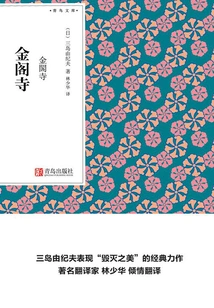
Golden Pavilion Temple (ao Nori Library)
by H
About This Novel
"The Temple of the Golden Pavilion" is the most representative novel by the famous Japanese writer Mishima Yukio. The story is based on an actual arson incident in July 1950. Mizoguchi, a young man who was born with a stutter, came to the Kinkakuji Temple from a poor countryside to become a monk. He was obsessed with the beauty of the Kinkakuji all day long, imagining the magnificent scene of dying with the Kinkakuji in the war. However, the end of the war made this wish disappear forever. In despair, he resolutely burned the Golden Temple to the ground. It embodies Mishima's so-called "beauty of destruction".
Official Sources
What Readers Think
Rating
Community(0)
Official(1)Scraped 1mo ago
Lonely and tragic beauty--Comment on "The Temple of the Golden Pavilion"
If you use one word to describe this work, it must be "beautiful". The words, sentences, artistic conception, and charm all give people a feeling of beauty. But this kind of beauty is not soft and quiet, but lonely and gloomy, mixed with destruction, giving people a sense of trembling. The story tells the story of a young man named Mizoguchi, whose family life was difficult. He had a stutter since he was a child and was often laughed at. His father said that Kinkakuji Temple is the most beautiful existence in the world, so Kinkakuji Temple became his sustenance, his yearning, and echoed in his heart over and over again. From the process of watching to the end, I have actually been wondering about Mizoguchi's change in attitude towards Kinkakuji. How did he go from passionately loving everything about Kinkakuji to hating and wanting to destroy it and burn it with fire? Is it because of jealousy? The more beautiful the Kinkakuji is, the more it brings out his cowardice, humility and ugliness; is it because of the desire for exclusivity? If you can't be the one who created it, you will become the one who destroys it, becoming the most unique existence; is it because of the conflict between ideals and life? The contrast between father and mother, Tsurukawa and Kashiwagi, Ariko and that woman, good dies and evil lasts... This is a book that gets thinner and thinner as I read it, but also a book that gets thicker and thicker as I read it. I never want to talk about the beauty of the Golden Pavilion Temple, and I never want to admire the talent of Mishima Yukio.
Rating
Community(0)
Official(1)Scraped 1mo ago
Lonely and tragic beauty--Comment on "The Temple of the Golden Pavilion"
If you use one word to describe this work, it must be "beautiful". The words, sentences, artistic conception, and charm all give people a feeling of beauty. But this kind of beauty is not soft and quiet, but lonely and gloomy, mixed with destruction, giving people a sense of trembling. The story tells the story of a young man named Mizoguchi, whose family life was difficult. He had a stutter since he was a child and was often laughed at. His father said that Kinkakuji Temple is the most beautiful existence in the world, so Kinkakuji Temple became his sustenance, his yearning, and echoed in his heart over and over again. From the process of watching to the end, I have actually been wondering about Mizoguchi's change in attitude towards Kinkakuji. How did he go from passionately loving everything about Kinkakuji to hating and wanting to destroy it and burn it with fire? Is it because of jealousy? The more beautiful the Kinkakuji is, the more it brings out his cowardice, humility and ugliness; is it because of the desire for exclusivity? If you can't be the one who created it, you will become the one who destroys it, becoming the most unique existence; is it because of the conflict between ideals and life? The contrast between father and mother, Tsurukawa and Kashiwagi, Ariko and that woman, good dies and evil lasts... This is a book that gets thinner and thinner as I read it, but also a book that gets thicker and thicker as I read it. I never want to talk about the beauty of the Golden Pavilion Temple, and I never want to admire the talent of Mishima Yukio.