Peerless Female Piano Master: Wu Qingge
by Xiao Yinfeng
About This Novel
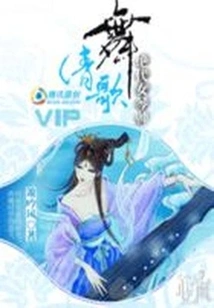
Reborn in another world, she is just the sixth young lady of the Situ family in name only. In order to fulfill her original agreement, she did not hesitate to learn that person's piano skills. When the strings are plucked, one person will be injured. When the music falls, one person will be killed. The Situ family, a wealthy family in ancient times, had undercurrents everywhere in their pursuit of superiority, even at the expense of destroying people's foundations. The sons of the royal family, the sons of county princes, and knights from all walks of life gathered at Qinling Villa for unknown reasons, disturbing the already turbid water, and gradually causing the murderous intention to surface. Whether it is success or failure, or another turbulent storm reappears...
Official Sources
What Readers Think
Rating
Community(0)
Official(60)Scraped 1mo ago
This book is a series of synthesis and rewriting of ancient dynasties with the depth of human love and hatred and the peerless peaceful world view, depicting a silent war and chaos. Wu Qingge jumps from one era to another, and her gentleness and weakness, or cowardice, remain the same as always. In fact, it is called cowardice. It is better to use a better word to package it, which is kindness and avoiding hatred. Maybe deep down in the heart of the author, he loves this woman and is unwilling to portray her as sharp and hateful, so he replaces the ugliness with the identity of another soul. So Xiyan always breaks free from the shackles of the soul and appears on the stage, but compared to the heroine, I prefer Xiyan's distinctive personality. In the story, two heroines, two personalities and two souls occupy the same body, and the roles change with each other. In the end, the story still ends with goodwill and forgiveness. The novel is wrapped in the differences and otherness of human nature, and various unexplainable conditions are hidden in different backgrounds. The novel that attracts people's attention is the various aspects of practicing the piano and Wu Qingge's love. I remember a scene where Xu met her in the dark after being injured, and she didn't care who he was or where he came from, or if he was dangerous. She just said: "Although I hate you very much, I can't help the injured person until death." There is spirituality and irresistible delicacy in the language. These only happen to her. In the book, the lute never leaves her, and she never leaves the lute. In the end, the wuqin becomes her wedding dress. After six years of practicing the piano, she failed to get a bucket of rice, but she gained a life-long companionship of a flesh-and-blood man, with the piano at her disposal and the years of peace and tranquility.
The Peerless Female Piano Master: Wu Qingge - Book Review
Cool cool cool cool cool cool cool cool cool cool cool cool cool cool cool cool cool cool cool cool cool cool cool cool cool cool cool cool cool cool cool cool cool cool cool cool cool cool cool cool cool cool cool cool cool cool cool cool cool cool cool cool cool cool cool cool cool cool cool cool cool cool cool cool cool.
This book is a series of synthesis and rewriting of ancient dynasties with the depth of human love and hatred and the peerless peaceful world view, depicting a silent war and chaos. Wu Qingge jumps from one era to another, and her gentleness and weakness, or cowardice, remain the same as always. In fact, it is called cowardice. It is better to use a better word to package it, which is kindness and avoiding hatred. Maybe deep down in the heart of the author, he loves this woman and is unwilling to portray her as sharp and hateful, so he replaces the ugliness with the identity of another soul. So Xiyan always breaks free from the shackles of the soul and appears on the stage, but compared to the heroine, I prefer Xiyan's distinctive personality. In the story, two heroines, two personalities and two souls occupy the same body, and the roles change with each other. In the end, the story still ends with goodwill and forgiveness. The novel is wrapped in the differences and otherness of human nature, and various unexplainable conditions are hidden in different backgrounds. The novel that attracts people's attention is the various aspects of practicing the piano and Wu Qingge's love. I remember a scene where Xu met her in the dark after being injured, and she didn't care who he was or where he came from, or if he was dangerous. She just said: "Although I hate you very much, I can't help the injured person until death." There is spirituality and irresistible delicacy in the language. These only happen to her. In the book, the lute never leaves her, and she never leaves the lute. In the end, the wuqin becomes her wedding dress. After six years of practicing the piano, she failed to get a bucket of rice, but she gained the lifelong companionship of a man of flesh and blood, allowing her to control the piano and live in peace for years to come.
Book
Are there any new books coming out yet?,,,,,,,
This book is a series of synthesis and rewriting of ancient dynasties with the depth of human love and hatred and the peerless peaceful world view, depicting a silent war and chaos. Wu Qingge jumps from one era to another, and her gentleness and weakness, or cowardice, remain the same as always. In fact, it is called cowardice. It is better to use a better word to package it, which is kindness and avoiding hatred. Maybe deep down in the heart of the author, he loves this woman and is unwilling to portray her as sharp and hateful, so he replaces the ugliness with the identity of another soul. So Xiyan always breaks free from the shackles of the soul and appears on the stage, but compared to the heroine, I prefer Xiyan's distinctive personality. In the story, two heroines, two personalities and two souls occupy the same body, and the roles change with each other. In the end, the story still ends with goodwill and forgiveness. The novel is wrapped in the differences and otherness of human nature, and various unexplainable conditions are hidden in different backgrounds. The novel that attracts people's attention is the various aspects of practicing the piano and Wu Qingge's love. I remember a scene where Xu met her in the dark after being injured, and she didn't care who he was or where he came from, or if he was dangerous. She just said: "Although I hate you very much, I can't help the injured person until death." There is spirituality and irresistible delicacy in the language. These only happen to her. In the book, the lute never leaves her, and she never leaves the lute. In the end, the wuqin becomes her wedding dress. After six years of practicing the piano, she failed to get a bucket of rice, but she gained a life-long companionship of a flesh-and-blood man, with the piano at her disposal and the years of peace and tranquility.
Good
This book is a series of synthesis and rewriting of ancient dynasties with the depth of human love and hatred and the peerless peaceful world view, depicting a silent war and chaos. Wu Qingge jumps from one era to another, and her gentleness and weakness, or cowardice, remain the same as always. In fact, it is called cowardice. It is better to use a better word to package it, which is kindness and avoiding hatred. Maybe deep down in the heart of the author, he loves this woman and is unwilling to portray her as sharp and hateful, so he replaces the ugliness with the identity of another soul. So Xiyan always breaks free from the shackles of the soul and appears on the stage, but compared to the heroine, I prefer Xiyan's distinctive personality. In the story, two heroines, two personalities and two souls occupy the same body, and the roles change with each other. In the end, the story still ends with goodwill and forgiveness. The novel is wrapped in the differences and otherness of human nature, and various unexplainable conditions are hidden in different backgrounds. The novel that attracts people's attention is the various aspects of practicing the piano and Wu Qingge's love. I remember a scene where Xu met her in the dark after being injured, and she didn't care who he was or where he came from, or if he was dangerous. She just said: "Although I hate you very much, I can't help the injured person until death." There is spirituality and irresistible delicacy in the language. These only happen to her. In the book, the lute never leaves her, and she never leaves the lute. In the end, the wuqin becomes her wedding dress. After six years of practicing the piano, she failed to get a bucket of rice, but she gained the lifelong companionship of a man of flesh and blood, allowing her to control the piano and live in peace for years to come.
This book is a series of synthesis and rewriting of ancient dynasties with the depth of human love and hatred and the peerless peaceful world view, depicting a silent war and chaos. Wu Qingge jumps from one era to another, and her gentleness and weakness, or cowardice, remain the same as always. In fact, it is called cowardice. It is better to use a better word to package it, which is kindness and avoiding hatred. Maybe deep down in the heart of the author, he loves this woman and is unwilling to portray her as sharp and hateful, so he replaces the ugliness with the identity of another soul. So Xiyan always breaks free from the shackles of the soul and appears on the stage, but compared to the heroine, I prefer Xiyan's distinctive personality. In the story, two heroines, two personalities and two souls occupy the same body, and the roles change with each other. In the end, the story still ends with goodwill and forgiveness. The novel is wrapped in the differences and otherness of human nature, and various unexplainable conditions are hidden in different backgrounds. The novel that attracts people's attention is the various aspects of practicing the piano and Wu Qingge's love. I remember a scene where Xu met her in the dark after being injured, and she didn't care who he was or where he came from, or if he was dangerous. She just said: "Although I hate you very much, I can't help the injured person until death." There is spirituality and irresistible delicacy in the language. These only happen to her. In the book, the lute never leaves her, and she never leaves the lute. In the end, the wuqin becomes her wedding dress. After six years of practicing the piano, she failed to get a bucket of rice, but she gained the lifelong companionship of a man of flesh and blood, allowing her to control the piano and live in peace for years to come.
This book is a series of synthesis and rewriting of ancient dynasties with the depth of human love and hatred and the peerless peaceful world view, depicting a silent war and chaos. Wu Qingge jumps from one era to another, and her gentleness and weakness, or cowardice, remain the same as always. In fact, it is called cowardice. It is better to use a better word to package it, which is kindness and avoiding hatred. Maybe deep down in the heart of the author, he loves this woman and is unwilling to portray her as sharp and hateful, so he replaces the ugliness with the identity of another soul. So Xiyan always breaks free from the shackles of the soul and appears on the stage, but compared to the heroine, I prefer Xiyan's distinctive personality. In the story, two heroines, two personalities and two souls occupy the same body, and the roles change with each other. In the end, the story still ends with goodwill and forgiveness. The novel is wrapped in the differences and otherness of human nature, and various unexplainable conditions are hidden in different backgrounds. The novel that attracts people's attention is the various aspects of practicing the piano and Wu Qingge's love. I remember a scene where Xu met her in the dark after being injured, and she didn't care who he was or where he came from, or if he was dangerous. She just said: "Although I hate you very much, I can't help the injured person until death." There is spirituality and irresistible delicacy in the language. These only happen to her. In the book, the lute never leaves her, and she never leaves the lute. In the end, the wuqin becomes her wedding dress. After six years of practicing the piano, she failed to get a bucket of rice, but she gained the lifelong companionship of a man of flesh and blood, allowing her to control the piano and live in peace for years to come.
The heroine's early life was very depressing! It's okay not to want such a family.
Rating
Community(0)
Official(60)Scraped 1mo ago
This book is a series of synthesis and rewriting of ancient dynasties with the depth of human love and hatred and the peerless peaceful world view, depicting a silent war and chaos. Wu Qingge jumps from one era to another, and her gentleness and weakness, or cowardice, remain the same as always. In fact, it is called cowardice. It is better to use a better word to package it, which is kindness and avoiding hatred. Maybe deep down in the heart of the author, he loves this woman and is unwilling to portray her as sharp and hateful, so he replaces the ugliness with the identity of another soul. So Xiyan always breaks free from the shackles of the soul and appears on the stage, but compared to the heroine, I prefer Xiyan's distinctive personality. In the story, two heroines, two personalities and two souls occupy the same body, and the roles change with each other. In the end, the story still ends with goodwill and forgiveness. The novel is wrapped in the differences and otherness of human nature, and various unexplainable conditions are hidden in different backgrounds. The novel that attracts people's attention is the various aspects of practicing the piano and Wu Qingge's love. I remember a scene where Xu met her in the dark after being injured, and she didn't care who he was or where he came from, or if he was dangerous. She just said: "Although I hate you very much, I can't help the injured person until death." There is spirituality and irresistible delicacy in the language. These only happen to her. In the book, the lute never leaves her, and she never leaves the lute. In the end, the wuqin becomes her wedding dress. After six years of practicing the piano, she failed to get a bucket of rice, but she gained a life-long companionship of a flesh-and-blood man, with the piano at her disposal and the years of peace and tranquility.
The Peerless Female Piano Master: Wu Qingge - Book Review
Cool cool cool cool cool cool cool cool cool cool cool cool cool cool cool cool cool cool cool cool cool cool cool cool cool cool cool cool cool cool cool cool cool cool cool cool cool cool cool cool cool cool cool cool cool cool cool cool cool cool cool cool cool cool cool cool cool cool cool cool cool cool cool cool cool.
This book is a series of synthesis and rewriting of ancient dynasties with the depth of human love and hatred and the peerless peaceful world view, depicting a silent war and chaos. Wu Qingge jumps from one era to another, and her gentleness and weakness, or cowardice, remain the same as always. In fact, it is called cowardice. It is better to use a better word to package it, which is kindness and avoiding hatred. Maybe deep down in the heart of the author, he loves this woman and is unwilling to portray her as sharp and hateful, so he replaces the ugliness with the identity of another soul. So Xiyan always breaks free from the shackles of the soul and appears on the stage, but compared to the heroine, I prefer Xiyan's distinctive personality. In the story, two heroines, two personalities and two souls occupy the same body, and the roles change with each other. In the end, the story still ends with goodwill and forgiveness. The novel is wrapped in the differences and otherness of human nature, and various unexplainable conditions are hidden in different backgrounds. The novel that attracts people's attention is the various aspects of practicing the piano and Wu Qingge's love. I remember a scene where Xu met her in the dark after being injured, and she didn't care who he was or where he came from, or if he was dangerous. She just said: "Although I hate you very much, I can't help the injured person until death." There is spirituality and irresistible delicacy in the language. These only happen to her. In the book, the lute never leaves her, and she never leaves the lute. In the end, the wuqin becomes her wedding dress. After six years of practicing the piano, she failed to get a bucket of rice, but she gained the lifelong companionship of a man of flesh and blood, allowing her to control the piano and live in peace for years to come.
Book
Are there any new books coming out yet?,,,,,,,
This book is a series of synthesis and rewriting of ancient dynasties with the depth of human love and hatred and the peerless peaceful world view, depicting a silent war and chaos. Wu Qingge jumps from one era to another, and her gentleness and weakness, or cowardice, remain the same as always. In fact, it is called cowardice. It is better to use a better word to package it, which is kindness and avoiding hatred. Maybe deep down in the heart of the author, he loves this woman and is unwilling to portray her as sharp and hateful, so he replaces the ugliness with the identity of another soul. So Xiyan always breaks free from the shackles of the soul and appears on the stage, but compared to the heroine, I prefer Xiyan's distinctive personality. In the story, two heroines, two personalities and two souls occupy the same body, and the roles change with each other. In the end, the story still ends with goodwill and forgiveness. The novel is wrapped in the differences and otherness of human nature, and various unexplainable conditions are hidden in different backgrounds. The novel that attracts people's attention is the various aspects of practicing the piano and Wu Qingge's love. I remember a scene where Xu met her in the dark after being injured, and she didn't care who he was or where he came from, or if he was dangerous. She just said: "Although I hate you very much, I can't help the injured person until death." There is spirituality and irresistible delicacy in the language. These only happen to her. In the book, the lute never leaves her, and she never leaves the lute. In the end, the wuqin becomes her wedding dress. After six years of practicing the piano, she failed to get a bucket of rice, but she gained a life-long companionship of a flesh-and-blood man, with the piano at her disposal and the years of peace and tranquility.
Good
This book is a series of synthesis and rewriting of ancient dynasties with the depth of human love and hatred and the peerless peaceful world view, depicting a silent war and chaos. Wu Qingge jumps from one era to another, and her gentleness and weakness, or cowardice, remain the same as always. In fact, it is called cowardice. It is better to use a better word to package it, which is kindness and avoiding hatred. Maybe deep down in the heart of the author, he loves this woman and is unwilling to portray her as sharp and hateful, so he replaces the ugliness with the identity of another soul. So Xiyan always breaks free from the shackles of the soul and appears on the stage, but compared to the heroine, I prefer Xiyan's distinctive personality. In the story, two heroines, two personalities and two souls occupy the same body, and the roles change with each other. In the end, the story still ends with goodwill and forgiveness. The novel is wrapped in the differences and otherness of human nature, and various unexplainable conditions are hidden in different backgrounds. The novel that attracts people's attention is the various aspects of practicing the piano and Wu Qingge's love. I remember a scene where Xu met her in the dark after being injured, and she didn't care who he was or where he came from, or if he was dangerous. She just said: "Although I hate you very much, I can't help the injured person until death." There is spirituality and irresistible delicacy in the language. These only happen to her. In the book, the lute never leaves her, and she never leaves the lute. In the end, the wuqin becomes her wedding dress. After six years of practicing the piano, she failed to get a bucket of rice, but she gained the lifelong companionship of a man of flesh and blood, allowing her to control the piano and live in peace for years to come.
This book is a series of synthesis and rewriting of ancient dynasties with the depth of human love and hatred and the peerless peaceful world view, depicting a silent war and chaos. Wu Qingge jumps from one era to another, and her gentleness and weakness, or cowardice, remain the same as always. In fact, it is called cowardice. It is better to use a better word to package it, which is kindness and avoiding hatred. Maybe deep down in the heart of the author, he loves this woman and is unwilling to portray her as sharp and hateful, so he replaces the ugliness with the identity of another soul. So Xiyan always breaks free from the shackles of the soul and appears on the stage, but compared to the heroine, I prefer Xiyan's distinctive personality. In the story, two heroines, two personalities and two souls occupy the same body, and the roles change with each other. In the end, the story still ends with goodwill and forgiveness. The novel is wrapped in the differences and otherness of human nature, and various unexplainable conditions are hidden in different backgrounds. The novel that attracts people's attention is the various aspects of practicing the piano and Wu Qingge's love. I remember a scene where Xu met her in the dark after being injured, and she didn't care who he was or where he came from, or if he was dangerous. She just said: "Although I hate you very much, I can't help the injured person until death." There is spirituality and irresistible delicacy in the language. These only happen to her. In the book, the lute never leaves her, and she never leaves the lute. In the end, the wuqin becomes her wedding dress. After six years of practicing the piano, she failed to get a bucket of rice, but she gained the lifelong companionship of a man of flesh and blood, allowing her to control the piano and live in peace for years to come.
This book is a series of synthesis and rewriting of ancient dynasties with the depth of human love and hatred and the peerless peaceful world view, depicting a silent war and chaos. Wu Qingge jumps from one era to another, and her gentleness and weakness, or cowardice, remain the same as always. In fact, it is called cowardice. It is better to use a better word to package it, which is kindness and avoiding hatred. Maybe deep down in the heart of the author, he loves this woman and is unwilling to portray her as sharp and hateful, so he replaces the ugliness with the identity of another soul. So Xiyan always breaks free from the shackles of the soul and appears on the stage, but compared to the heroine, I prefer Xiyan's distinctive personality. In the story, two heroines, two personalities and two souls occupy the same body, and the roles change with each other. In the end, the story still ends with goodwill and forgiveness. The novel is wrapped in the differences and otherness of human nature, and various unexplainable conditions are hidden in different backgrounds. The novel that attracts people's attention is the various aspects of practicing the piano and Wu Qingge's love. I remember a scene where Xu met her in the dark after being injured, and she didn't care who he was or where he came from, or if he was dangerous. She just said: "Although I hate you very much, I can't help the injured person until death." There is spirituality and irresistible delicacy in the language. These only happen to her. In the book, the lute never leaves her, and she never leaves the lute. In the end, the wuqin becomes her wedding dress. After six years of practicing the piano, she failed to get a bucket of rice, but she gained the lifelong companionship of a man of flesh and blood, allowing her to control the piano and live in peace for years to come.
The heroine's early life was very depressing! It's okay not to want such a family.