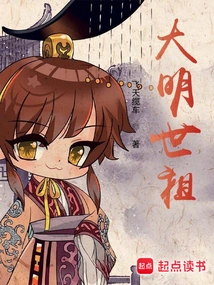
Ming Shizu
About This Novel
Ps: The new book, "Da Ming 1860" has been released In his rebirth, Zhu Yixi started from Xi'an in the 16th year of Chongzhen's reign, becoming a guerrilla general, commander-in-chief, king of Yu, and emperor, step by step. Annan became the Qin State, Hokkaido became the Yue State, the Philippines became the Qi State, and Uzbekistan became the Liao State... Unknowingly, he built a new order of Asian sects...
Official Sources
What Readers Think
Rating
Community(0)
Official(70)Scraped 2mo ago
Don't know what to say
Not to mention that you are a branch of the royal family, but if you are directly related to your temple name and have an ancestor of the Ming Dynasty, the coffin boards of the previous emperors in the Ming Dynasty may not be able to hold it down. If your father jumps out of the coffin and slaps you a few times, you will become an ancestor.
This is not to flatter the Manchus, but the Eight Banners of the Han Dynasty were also veterans of the war for more than ten years. They were the first to do all the dirty work. In the eyes of the author, they became a miscellaneous army. They had to face the enemy objectively at the time. If they were forced to write weak, it would not be good and it would become a cool article.
To read historical novels, you must at least understand some history.
I just opened this book and read the title, introduction, and comment section. I saw a book title with a lot of people trolling Shizu. If you don't understand the historical text, you can search it and then troll. The temple names are mainly divided into Taizu, Gaozu, and Shizu. Taizu is the one who became the emperor from scratch, Zhu Yuanzhang, Liu Bang, these are Taizu. Some people call Liu Bang the Han Gaozu. In fact, Liu Bang is the Han Taizu Gao Emperor, Taizu is the temple name, and Gao Emperor is the posthumous title. Generally, the emperor after the founding of the country can only claim the title of clan. Zhu Di was originally named Taizong of the Ming Dynasty. Later, Emperor Jiajing directly changed Zhu Di to Ming Chengzu in order to worship his father. This meant that Zhu Di was not in the right position and started his own lineage. Gao Ancestor refers to a family ancestor who was very powerful and founded the country. For example, Li Yuan, Emperor Gaozu of the Tang Dynasty, was the Duke of the country before. After the founding of the country, the ancestor would be named Taizu, the founder of the dynasty history, or the specific temple name of the monarch who connected the dynasty. Although they were not the original founders of the dynasty, they often opened up a new historical period of the dynasty. Emperor Guangwu of the Han Dynasty and Kublai Khan of the Yuan Dynasty were all ancestors. Fulin of the Qing Dynasty could barely be counted. As for the saint ancestor Kangxi of the Qing Dynasty, it was pure nonsense and basically nondescript.
Ming Shizu, also called Chengzu, also has a more famous name: Emperor Yongle... Didn't you check it before writing?
I have a question, can you change the name of the temple in Zhu Qizhen?
In the history of the Southern Ming Dynasty, there were a lot of posthumous and re-titled titles. After the establishment of the new Ming Dynasty, the protagonist ascended the throne and the imperial line was transferred. It seemed that the Ming Dynasty's declining scum Zhu Qizhen could be renamed the temple.
You can read it in Shuhuang
The author writes about the protagonist, a woman who is kind enough not to kill anyone who deserves to be killed, and is not afraid of future troubles. Why keep those nobles who surrendered in Nanjing? There are also those who surrendered to the Donglin Party, and even if they don't kill them, they will still be returned to the officials. If these are not cleaned up, they will be stable for a few years! Also, the protagonist is like a boar when he sees a woman. He is annoying to watch. After the capture of Nanjing, it is recommended not to read it. Apart from the woman's breasts and buttocks, the main character is basically just writing about the two ounces of meat on the bottom of the protagonist.
Can't understand
You have adopted your eldest son to someone else. Not to mention what you call him in private, but in public, when your adopted son sees you, you still call him "dad". This is completely unfilial!
Does the protagonist want to drag all the women into the harem?
The decisive battle is underway on the front lines! You are still dating and marrying a little wife at the back. If you want to marry a wife, you might as well be a small landowner. In this case, you don't have to worry about so many things.
Brother, the war scenes are too childish.
Isn't your description of war scenes too childish? Tens of thousands of troops and hundreds of warships fighting. You can finish it with just a few sentences? ? ? What's going on? But except for the war scenes, everything else is okay. I hope you can write more details later.
nice
It can be said to be the best novel from the late Ming Dynasty that I have ever read.
Rating
Community(0)
Official(70)Scraped 2mo ago
Don't know what to say
Not to mention that you are a branch of the royal family, but if you are directly related to your temple name and have an ancestor of the Ming Dynasty, the coffin boards of the previous emperors in the Ming Dynasty may not be able to hold it down. If your father jumps out of the coffin and slaps you a few times, you will become an ancestor.
This is not to flatter the Manchus, but the Eight Banners of the Han Dynasty were also veterans of the war for more than ten years. They were the first to do all the dirty work. In the eyes of the author, they became a miscellaneous army. They had to face the enemy objectively at the time. If they were forced to write weak, it would not be good and it would become a cool article.
To read historical novels, you must at least understand some history.
I just opened this book and read the title, introduction, and comment section. I saw a book title with a lot of people trolling Shizu. If you don't understand the historical text, you can search it and then troll. The temple names are mainly divided into Taizu, Gaozu, and Shizu. Taizu is the one who became the emperor from scratch, Zhu Yuanzhang, Liu Bang, these are Taizu. Some people call Liu Bang the Han Gaozu. In fact, Liu Bang is the Han Taizu Gao Emperor, Taizu is the temple name, and Gao Emperor is the posthumous title. Generally, the emperor after the founding of the country can only claim the title of clan. Zhu Di was originally named Taizong of the Ming Dynasty. Later, Emperor Jiajing directly changed Zhu Di to Ming Chengzu in order to worship his father. This meant that Zhu Di was not in the right position and started his own lineage. Gao Ancestor refers to a family ancestor who was very powerful and founded the country. For example, Li Yuan, Emperor Gaozu of the Tang Dynasty, was the Duke of the country before. After the founding of the country, the ancestor would be named Taizu, the founder of the dynasty history, or the specific temple name of the monarch who connected the dynasty. Although they were not the original founders of the dynasty, they often opened up a new historical period of the dynasty. Emperor Guangwu of the Han Dynasty and Kublai Khan of the Yuan Dynasty were all ancestors. Fulin of the Qing Dynasty could barely be counted. As for the saint ancestor Kangxi of the Qing Dynasty, it was pure nonsense and basically nondescript.
Ming Shizu, also called Chengzu, also has a more famous name: Emperor Yongle... Didn't you check it before writing?
I have a question, can you change the name of the temple in Zhu Qizhen?
In the history of the Southern Ming Dynasty, there were a lot of posthumous and re-titled titles. After the establishment of the new Ming Dynasty, the protagonist ascended the throne and the imperial line was transferred. It seemed that the Ming Dynasty's declining scum Zhu Qizhen could be renamed the temple.
You can read it in Shuhuang
The author writes about the protagonist, a woman who is kind enough not to kill anyone who deserves to be killed, and is not afraid of future troubles. Why keep those nobles who surrendered in Nanjing? There are also those who surrendered to the Donglin Party, and even if they don't kill them, they will still be returned to the officials. If these are not cleaned up, they will be stable for a few years! Also, the protagonist is like a boar when he sees a woman. He is annoying to watch. After the capture of Nanjing, it is recommended not to read it. Apart from the woman's breasts and buttocks, the main character is basically just writing about the two ounces of meat on the bottom of the protagonist.
Can't understand
You have adopted your eldest son to someone else. Not to mention what you call him in private, but in public, when your adopted son sees you, you still call him "dad". This is completely unfilial!
Does the protagonist want to drag all the women into the harem?
The decisive battle is underway on the front lines! You are still dating and marrying a little wife at the back. If you want to marry a wife, you might as well be a small landowner. In this case, you don't have to worry about so many things.
Brother, the war scenes are too childish.
Isn't your description of war scenes too childish? Tens of thousands of troops and hundreds of warships fighting. You can finish it with just a few sentences? ? ? What's going on? But except for the war scenes, everything else is okay. I hope you can write more details later.
nice
It can be said to be the best novel from the late Ming Dynasty that I have ever read.
Featured in 9 Booklists
Official(9)
Grain + The main protagonist is the Ming Dynasty clan, backed by Sun Chuanting, and is developing steadily. Starting from the chief medical officer of the Qin Army, he gathered the Jinyi Guards. Later, after serving as the craftsman battalion, he commanded and supervised the production of red cannons, flintlocks and other weapons. When the plague spread, he took control of an army due to his duty of inspection and epidemic prevention. The fluttering butterfly wings of the time traveler changed history. Because it was equipped with the Hongyi cannon supervised by the protagonist, although Sun Chuanting was still defeated, he successfully broke out and did not die in the rebellion. After Sun Chuanting's defeat, he repelled the vanguard of the invading army, killed Li Guo, and defended Tongguan. Although the writing and characterization in some places are not very good, it looks good so far. The writing style needs to be improved. I look forward to the following chapters.
Food and grass (completed) Born in the Qin vassal clan in the 16th year of Chongzhen's reign, he followed the path of Sun Chuanting, with refreshing writing and a fast pace without procrastination. Fight against the Tatars and restore our Han culture! Ps: 40
The main character of my book is a descendant of a down-and-out clan in the late Ming Dynasty, a native of Xi'an, and a farming scholar.
Reborn as a clan in the late Ming Dynasty, it was only a few months before Li Zicheng conquered Beijing. Can he turn the tide?
You Might Also Like

Reborn Female General
Qianshan Tea Guest
1635 Han Style Returns
Chongqing Old Q
Brother Zhu Youxiao
North City Two Thousand
I, the Ming Dynasty, Can Still Save Me
River Crab Taoist
Ming Dynasty Chenghua: I Am a Foolish King
Five And Six
Jingnan Strategy
North City Two Thousand
The Han Dynasty Comes from Southeast Asia
Middle-aged Paper Tiger
Anti-qing 1850
The Three Fat Men By The River
Chongzhen Revived the Ming Dynasty
Phoenix Beidou
Gou Became a Clan Member in the Late Ming Dynasty
Late At Night