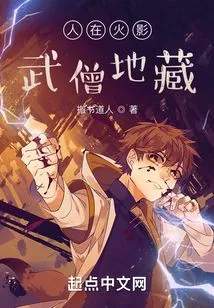
People in Naruto, Monk Jizo
by Book Mover
About This Novel
A fragment of godhead from the continent of Faerûn. A soul from another world. The two merged into one, changing the power and structure of Naruto's world. Are the ninjas and the Otsutsuki clan more powerful? Or are the [monks] and gods more powerful? Be patient and motionless like the earth, meditate deeply like a secret treasure. Let's see how Jizo in the mountains spreads his faith in the ninja world and composes a legend belonging to the [Warrior Monk]. (Note: This book is not a pure Hokage. It has secondary content based on real Japan. Ninja is not the only extraordinary profession. Anyway, it is trying its best to build a real world and make up for the setting bugs in the original work.) The new book "China Entertainment 05, Our Science Fiction Movie Universe" has been released
Official Sources
What Readers Think
Rating
Community(0)
Official(7)Scraped 1mo ago
Ke Xuewen wrote a good and passionate battle story
Maybe the author's writing style is good, but the content is not consistent with the subject matter, and I can't read it.
The criminal investigation novel takes on the skin of Naruto.
Not so good, Luo Li, everyone has their own interests, that's it
Waste of time, nonsense, stupidity
It's a waste of time, and it's not fun at all.
I like this book very much, please update it! ! !
Japan's "Imperial Examination"
In the 8th and 9th centuries, Japan imitated the system of the Tang Dynasty in organizing tribute examinations, which were divided into six subjects: scholar, Jinshi, Mingjing, Mingfa, medicine, and acupuncture, among which the scholarly department was the most prosperous. As the children who participated in the imperial examination gradually became aristocratic, the number of students decreased and the examination became a mere formality, the tribute examination became extinct in the Edo period. The tribute examination is directly presided over by Shikibu Ministry, which is in charge of inspecting and appointing officials. It is held every year in October and November. Students who take the exam are divided into two types: tribute and juren. Students who are sent by tribute from local countries to take the scientific examination are called goren. Students who are selected according to the emperor's temporary system (special recruitment of talents based on temporary needs) or students who pass the imperial examination from the university are called juren. Candidates from Daxueliao not only had to pass the Chinese studies exam, but also had to be recommended by the local governor. The content of the examination is roughly the same as that of the imperial examination in the Tang Dynasty. The Ming Dynasty Classical Examination "tests four items each from "The Rites of Zhou", "Zuo Zhuan", "Book of Rites", and "Mao Shi", three items each from the Yu Jing, and a total of three items from "The Classic of Filial Piety" and "The Analects of Confucius." The "Two Articles of Examination Policies" and the post readings for the Jinshi Examination (seven posts are selected from "Wenxuan Shangzhi" and three posts are selected from "Erya"). Those who pass all the posts and strategies are rated A, those who pass two strategies and read and answer six posts correctly are rated B, and those who are other than that are ranked No. The law examination in the Ming Dynasty was exactly the same as that in the Tang Dynasty. The content was "Ten Laws and Orders". Passing all the laws was considered A, passing eight or more was considered B, and passing seven or less was considered failing. According to the provisions of the "Selection Order", talents must be selected from those who passed the examination to be appointed officials. Among them, the Xiucai Department is the highest, followed by the Ming Jing Department, the Jin Shi Department, and the Ming Law Department in descending order. In short, Japan's tribute examinations were mainly imitated from the Tang Dynasty in terms of examination items, evaluation standards, ranking distinctions and passing grades. The content of the Tang-style examination is more difficult than that of the Japanese-style exam, and the admission standards are higher than those of the Japanese-style exam, but Japan places more emphasis on those who come from tribute examinations.
Rating
Community(0)
Official(7)Scraped 1mo ago
Ke Xuewen wrote a good and passionate battle story
Maybe the author's writing style is good, but the content is not consistent with the subject matter, and I can't read it.
The criminal investigation novel takes on the skin of Naruto.
Not so good, Luo Li, everyone has their own interests, that's it
Waste of time, nonsense, stupidity
It's a waste of time, and it's not fun at all.
I like this book very much, please update it! ! !
Japan's "Imperial Examination"
In the 8th and 9th centuries, Japan imitated the system of the Tang Dynasty in organizing tribute examinations, which were divided into six subjects: scholar, Jinshi, Mingjing, Mingfa, medicine, and acupuncture, among which the scholarly department was the most prosperous. As the children who participated in the imperial examination gradually became aristocratic, the number of students decreased and the examination became a mere formality, the tribute examination became extinct in the Edo period. The tribute examination is directly presided over by Shikibu Ministry, which is in charge of inspecting and appointing officials. It is held every year in October and November. Students who take the exam are divided into two types: tribute and juren. Students who are sent by tribute from local countries to take the scientific examination are called goren. Students who are selected according to the emperor's temporary system (special recruitment of talents based on temporary needs) or students who pass the imperial examination from the university are called juren. Candidates from Daxueliao not only had to pass the Chinese studies exam, but also had to be recommended by the local governor. The content of the examination is roughly the same as that of the imperial examination in the Tang Dynasty. The Ming Dynasty Classical Examination "tests four items each from "The Rites of Zhou", "Zuo Zhuan", "Book of Rites", and "Mao Shi", three items each from the Yu Jing, and a total of three items from "The Classic of Filial Piety" and "The Analects of Confucius." The "Two Articles of Examination Policies" and the post readings for the Jinshi Examination (seven posts are selected from "Wenxuan Shangzhi" and three posts are selected from "Erya"). Those who pass all the posts and strategies are rated A, those who pass two strategies and read and answer six posts correctly are rated B, and those who are other than that are ranked No. The law examination in the Ming Dynasty was exactly the same as that in the Tang Dynasty. The content was "Ten Laws and Orders". Passing all the laws was considered A, passing eight or more was considered B, and passing seven or less was considered failing. According to the provisions of the "Selection Order", talents must be selected from those who passed the examination to be appointed officials. Among them, the Xiucai Department is the highest, followed by the Ming Jing Department, the Jin Shi Department, and the Ming Law Department in descending order. In short, Japan's tribute examinations were mainly imitated from the Tang Dynasty in terms of examination items, evaluation standards, ranking distinctions and passing grades. The content of the Tang-style examination is more difficult than that of the Japanese-style exam, and the admission standards are higher than those of the Japanese-style exam, but Japan places more emphasis on those who come from tribute examinations.
You Might Also Like
Naruto's Power Shocks the World
Professional Laziness

Reborn Female General
Qianshan Tea Guest
I Play Dota in Naruto
Ju Tu
Warlock Invasion of Naruto
Not Necessarily Three Updates
Konoha: There is a Kakarot Inside Me
Lord Berefeld
Konoha: I Can't Learn Ninjutsu, so I Have to Develop it Myself
Selling One's Body For Burial
I Just Wanted to Be Lazy and Was Forced to Become Hokage
Information Exchange
Konoha, Was Reported by the Fourth Hokage at the Beginning
Double Confucianism
Konoha: the Road to the Gods Starting from Kannabi Bridge
Ziying Jiuxiao

Naruto: This Sasuke Has a Narration
Fourth In Ancient And Modern Times