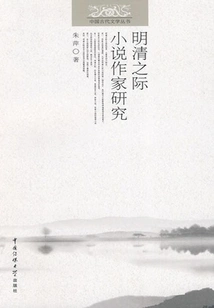
Research on Novel Writers During the Ming and Qing Dynasties
by Zhu Ping
About This Novel
The Chongzhen period of the Ming Dynasty and the Shunye period of the Qing Dynasty are collectively called the "Ming and Qing Dynasties". The Ming and Qing Dynasties were an important revolutionary period in the development history of ancient Chinese novels. "Research on Novel Writers of the Ming and Qing Dynasties" conducts an overall study of the novel writers of the Ming and Qing Dynasties, examines the living conditions and creative mentality of writers, and examines the interactive relationship between factors such as era, region, writers, and works. It has relatively general reference and enlightenment significance for studying the laws of literary creation and development of various genres and eras.
Official Sources
What Readers Think
Rating
Community(0)
Official(5)Scraped 2mo ago
The late Ming Dynasty was an era when the Heart Sect was prevalent. Both Wang Xue and Zen Buddhism were directed towards the original mind. In the atmosphere of teachers' disdain for ancient times, there is a glimmer of the revival of ancient learning.
"The demise of the Ming Dynasty and the rise of the Qing Dynasty in 1644 were the most dramatic scenes of all dynasty changes in Chinese history."
In terms of creative environment, novel writers during the Ming and Qing Dynasties can be divided into two major types: bookshop writers and study writers.
Most of the novel writers during the Ming and Qing Dynasties were middle- and lower-class literati who failed in the imperial examinations in Jiangnan. Most of them were poor. Regional culture, status, and living conditions had a great impact on their creations.
"I was attracted by the atmosphere of the times during the Ming and Qing Dynasties and the spiritual temperament of the scholar-bureaucrats of that period."
Rating
Community(0)
Official(5)Scraped 2mo ago
The late Ming Dynasty was an era when the Heart Sect was prevalent. Both Wang Xue and Zen Buddhism were directed towards the original mind. In the atmosphere of teachers' disdain for ancient times, there is a glimmer of the revival of ancient learning.
"The demise of the Ming Dynasty and the rise of the Qing Dynasty in 1644 were the most dramatic scenes of all dynasty changes in Chinese history."
In terms of creative environment, novel writers during the Ming and Qing Dynasties can be divided into two major types: bookshop writers and study writers.
Most of the novel writers during the Ming and Qing Dynasties were middle- and lower-class literati who failed in the imperial examinations in Jiangnan. Most of them were poor. Regional culture, status, and living conditions had a great impact on their creations.
"I was attracted by the atmosphere of the times during the Ming and Qing Dynasties and the spiritual temperament of the scholar-bureaucrats of that period."