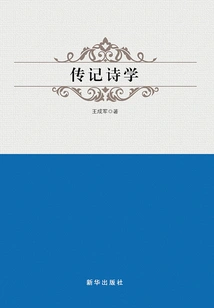
Biographical Poetics
About This Novel
China's biographical literature has a long history, but it has long been in a state of neglect. This is not surprising at all, because the genre of biography is not only ignored in China, but even in the West, its research lags behind writing. Karl van Dauren said pessimistically in his book "Biography as a Literary Form": Criticism has almost no involvement in the territory of biography. But this was the lonely situation a hundred years ago at the beginning of the 20th century. Since the 1970s, Western academic circles have rarely paid much attention to the theory of biographical literature, especially the theoretical interest in autobiography, which has become one of the prominent topics in Western academic circles. James M. Cox pointed out in the article "Autobiography and America" that "autobiography and confessional writing are receiving more and more attention from literary criticism in modern Western academia than in the past. This is not only because criticism has exhausted its heat in other genres for a long time, but also because the entire concept of literature is changing." (The Virginia Quarterly) Review, 470) The change here refers to the fact that as the print run of non-fiction literature far exceeds that of novels and other fictional works in the publishing market, the textual value of biography has aroused the interest of theoretical researchers. It can even be said that biography, as a universal cultural anthropological phenomenon, is attracting the attention of more and more philosophers, aesthetes, ethnographers, sociologists and even psychoanalysts since Freud. In the monograph "Literary Criticism in the 20th Century", the French scholar Jean-Yves Tardier discusses biography in Chapter 9 "Poetics", and treats biographical literature and novels equally as prose poetics. He said, "Biography is a very old genre, and it is particularly lucky today. Although the biography genre has been severely criticized for two thousand years, it still survives tenaciously beyond all philosophical and literary theories that attack it." Even Paul de Man, one of the major centers of deconstruction, also published an important discussion on the theory of biography. But it is regrettable that the entire Western academic community has embarked on the train of deconstruction, frequently proposing the deconstructive views that "autobiography is dead" or "biography is an illusion". Biographical poetics has almost become synonymous with novel aesthetics. China's biographical literature has a long history, but it has long been in a state of neglect. This is not surprising at all, because the genre of biography is not only ignored in China, but even in the West, its research lags behind writing. Karl van Dauren said pessimistically in his book "Biography as a Literary Form": Criticism has almost no involvement in the territory of biography. But this was the lonely situation a hundred years ago at the beginning of the 20th century. Since the 1970s, Western academic circles have rarely paid much attention to the theory of biographical literature, especially the theoretical interest in autobiography, which has become one of the prominent topics in Western academic circles. James M. Cox pointed out in the article "Autobiography and America" that "autobiography and confessional writing are receiving more and more attention from literary criticism in modern Western academia than in the past. This is not only because criticism has exhausted its heat in other genres for a long time, but also because the entire concept of literature is changing." (The Virginia Quarterly) Review, 470) The change here refers to the fact that as the print run of non-fiction literature far exceeds that of novels and other fictional works in the publishing market, the textual value of biography has aroused the interest of theoretical researchers. It can even be said that biography, as a universal cultural anthropological phenomenon, is attracting the attention of more and more philosophers, aesthetes, ethnographers, sociologists and even psychoanalysts since Freud. In the monograph "Literary Criticism in the 20th Century", the French scholar Jean-Yves Tardier discusses biography in Chapter 9 "Poetics", and treats biographical literature and novels equally as prose poetics. He said, "Biography is a very old genre, and it is particularly lucky today. Although the biography genre has been severely criticized for two thousand years, it still survives tenaciously beyond all philosophical and literary theories that attack it." Even Paul de Man, one of the major centers of deconstruction, also published an important discussion on the theory of biography. But it is regrettable that the entire Western academic community has embarked on the train of deconstruction, frequently proposing the deconstructive views that "autobiography is dead" or "biography is an illusion". Biographical poetics has almost become synonymous with novel aesthetics.
Official Sources
What Readers Think
Rating
Community(0)
Rating
Community(0)