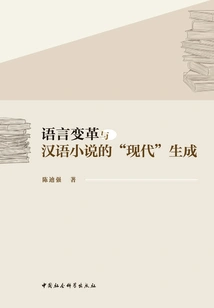
Language Change and the "modern" Generation of Chinese Novels (1898-1937)
by Chen Diqiang
About This Novel
This book explores the relationship between language changes from the late Qing Dynasty to the mid-Republic of China and the emergence of the "modern" Chinese novel. Use empirical methods to examine the two internal and external changes in the language of novels. The first is the process from the coexistence of classical Chinese and vernacular novels to the dominance of vernacular novels; the second is the change in the internal grammar and vocabulary of vernacular novels and the changes in the rhetorical methods of novels. At the same time, we will examine how the language tradition of "Chinese novels" was inherited, integrated and evolved along with this process, and how it became a "modern" novel type before and after the May 4th Movement, and we will also reflect on the discourse mechanism and existing problems of this construction. This book explores the relationship between language changes from the late Qing Dynasty to the mid-Republic of China and the emergence of the "modern" Chinese novel. Use empirical methods to examine the two internal and external changes in the language of novels. The first is the process from the coexistence of classical Chinese and vernacular novels to the dominance of vernacular novels; the second is the change in the internal grammar and vocabulary of vernacular novels and the changes in the rhetorical methods of novels. At the same time, we will examine how the language tradition of "Chinese novels" was inherited, integrated and evolved along with this process, and how it became a "modern" novel type before and after the May 4th Movement, and we will also reflect on the discourse mechanism and existing problems of this construction.
Official Sources
What Readers Think
Rating
Community(0)
Rating
Community(0)