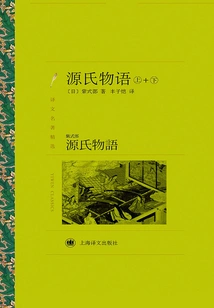
The Tale of Genji (selected Translations of Famous Works)
by H
About This Novel
1. "The Tale of Genji" was written in the middle of the Heian period in Japan. It is the earliest full-length novel in Japan and even in the world. It is the pinnacle of Japanese classical literature and a national treasure of Japan. It can be called the Japanese "Dream of Red Mansions" and is called the "Twin Jewels of Japanese Classical Literature" together with "The Tale of the Heike". "The Tale of Genji" opened the era of "Monogai" literature in Japan, which had a profound impact on the development of Japanese literature in later generations. "Monogai" has also become a nationwide national consciousness in Japan, and has been passed down through generations of poets, essayists, and Monogatari authors. The work has been adapted into comics, TV series, movies, and animations many times. 2. The book has a total of fifty-four chapters, spanning four generations of emperors, spanning more than seventy years, involving three generations, and nearly 500 characters. Centered on the protagonist Mitsugenji, it depicts a rich picture of the aristocratic society of the Heian Dynasty, including sad or beautiful love affairs, glory and decline, political desires and power struggles. 3. From the perspective of genre, "The Tale of Genji" is similar to the legends of the Tang Dynasty or the storybooks of the Song Dynasty. The book is elegantly written and full of prose charm. The book quotes more than 90 poems by Bai Juyi as well as historical facts and allusions from ancient Chinese classics such as "Book of Rites", "Warring States Policy", "Historical Records" and "Hanshu", and is cleverly hidden in the fascinating storyline. 4. The story is outstandingly elegant, the psychological description is ingenious, the structure is exquisite and meticulous, the beauty of the writing and the avant-garde aesthetic consciousness can be called "the classic among the classics", and it is worthy of being the highest masterpiece in the history of Japanese literature.
Official Sources
What Readers Think
Rating
Community(0)
Official(1)Scraped 1mo ago
Feng Zikai's translation is really good. Can be read over and over again. And it can be picked up from any paragraph. The author is really a fan of Genji!
Rating
Community(0)
Official(1)Scraped 1mo ago
Feng Zikai's translation is really good. Can be read over and over again. And it can be picked up from any paragraph. The author is really a fan of Genji!