About This Novel
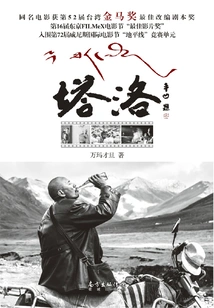
The film of the same name won the Best Adapted Screenplay Award at the 52nd Taiwan Golden Horse Awards, the "Best Film Award" and the "Student Jury Award" at the 16th Tokyo FILMeX Film Festival, the highest award "Best Film of the Year" at the 12th China Independent Film Festival, the highest award "Golden Tricycle Award" and "Paris Oriental Language Award" at the 22nd Vesour Asia International Film Festival in France. It was shortlisted for the "Horizon" competition unit of the 72nd Venice International Film Festival, and was selected into the Ten Outstanding Art Film Recommendations Exhibition by the China Film Directors Association. The ten stories are all carefully drawn. In the seemingly calm descriptions, the characters are calmly introduced and the narrative is unfolded. The dialogues between the characters are very distinctive and vividly express the characters' personalities, identities and statuses. Most of the storylines are simple, and the characters are simple and uncomplicated. However, there is a tension hidden in this seemingly simple narrative, such as: what effect the lack of food will have on people's minds and behaviors ("Pu Dai"); what kind of karma the temptation of desire will make people fall into. Barriers ("Temptation"); the polar opposite psychological distance between tourists and pilgrims ("The Artist", "Dusk on Pakko Street")... It is not difficult to understand the author's humanistic thinking, but his thinking is more implicit, hidden in literary narratives, without making moral judgments.
Official Sources
What Readers Think
Rating
Community(0)
Rating
Community(0)