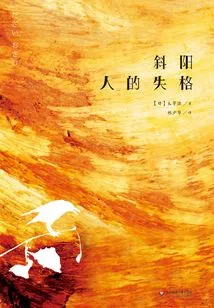
Setting Sun: Human Disqualification
About This Novel
A classic work that reflects on youth and confusion; a representative work of Japanese post-war rogue literary writer Dazai Osamu; Lin Shaohua's new translation, which uses the Chinese translation of "Human Disqualification" for the first time, the most authoritative translation among 17 versions; includes "Setting Sun" and "Human Disqualification", the top works of Japanese post-war literature; Japanese writer Li Changsheng has included them in the eleven must-read Japanese literature; "Setting Sun" is about the declining aristocracy and life like the sunset. Does the destruction of old morality lead to the emergence of new morality? Kazuko and her mother gave up their home in Nishikata Town, Tokyo, and moved to this slightly Chinese-style villa in Izu in early December of the year Japan surrendered unconditionally. However, life was not quiet, and my mother fell ill. This noble family has begun to decline. "Setting Sun", which is the culmination of Dazai's literature, describes the psychological transition of a member of a declining aristocratic family, interweaves the perspective of hope and disappointment in life, and stirs up a new life of loneliness. It is known as "Japan's Cherry Orchard". It set a best-selling record for post-war literary works, and the term "Setting Sun Clan" became widely known as a synonym for declining aristocrats. "Human Disqualification" describes human disqualification, that is, the loss of human qualifications. It depicts the protagonist Ye Zang from adolescence to middle age, experiencing the harshness of the world, indulging in wine and sex, and finally destroying himself. "The Disqualification of Man" written by Osamu Dazai before his death can be said to be a self-portrait of his entire life. From it, we can see his step-by-step process of losing his qualifications as a human being from a sentimental boy. It is known as the "immortal masterpiece" in the Japanese literary world and the "final settlement" of Dazai's literature.
Official Sources
What Readers Think
Rating
Community(0)
Rating
Community(0)