T
by H
About This Novel
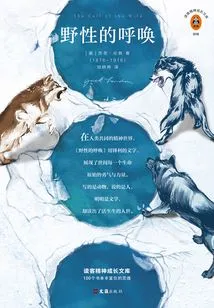
Write to every lonely soul in the world! Using sharp words, it shows the original courage and strength of every life in the world. "The Call of the Wild" uses sharp words to show the original courage and strength of every life in the world. It writes about animals and talks about people. It is obviously literature, but it reads out the living world. A classic work of animal novels and a representative work of naturalism. One of the 100 best English-language novels of the 20th century, one of the 88 books that shaped America. This book collects Jack London's representative short stories and short stories - "The Call of the Wild", "White Teeth", "Love Life" and "To Make a Fire". The stories mainly take place in the extremely cold places in northwest Canada. The style is heroic and masculine, showing the original tenacity, courage and strength of life.
Official Sources
What Readers Think
Rating
Community(0)
Official(3)Scraped 15d ago
Wildness - Review of "The Call of the Wild"
Jack London grew up in extreme poverty and was imprisoned for vagrancy. After his release from prison, he joined the gold rush in Alaska. Although he returned home empty-handed due to illness, he accumulated a wealth of creative material. The book "Call of the Wild" was written against this background. Jack London used the experience of the protagonist Buck as a metaphor for his own experience, telling his transformation from a pet dog to a working dog in a dangerous living environment, and finally to the leader of the wolf tribe. The plot of the novel is not complicated. Jack London uses epic language to present the magnificence and harshness of the wilderness and the complexity and weight of human nature to the readers, bringing them many philosophical thoughts, thereby calling on the world to get rid of the constraints of alienated "civilization", return to the original nature, and trace the origin of life. When it is difficult to gain insight into harmonious existence and perfect humanity in reality, animals with primitive attributes have become archetypal images for people to explore the truth of the soul and deal with moral crises. They are also symbols of primitive humanity-human essence. "Call of the Wild" carries this image and symbol. It uses the surreal imagination of the interpenetration of humans and animals and the multi-dimensional complex human characteristics to confirm the ancient literary motifs and the deep accumulation of human experience. Regarding "archetypal image", Jung once mentioned that it is "the psychological condensation of countless similar experiences, with collective and universal human consciousness and subconsciousness." In the novel, Buck is such an "archetypal image". It contains three attributes: First, Buck appears in the form of a dog, and "dog" has the attribute of "kind"; second, Jack London gives the dog a name, but actually gives it an identity to show the "human" attribute of the image of "dog" , making him break away from pure animality and possess human thinking ability and emotional needs. This is an anthropomorphic method; thirdly, Buck contains potential and hidden primitive attributes, that is, "wolf nature". Jack London will appear to be unique. The combination of three independent and contradictory attributes creates a full and "humanized" image of Buck without any sense of abruptness or discomfort. This is of course closely related to the multi-faceted and complex nature of human nature: human nature has a loyal and docile side similar to that of a "dog". There is also the witty and smooth side inherent in "human beings" and the wild and cruel side that is close to "wolf". The publication of the novel set off a "wilderness cult" craze in the United States. In the article, the wilderness is both purgatory and refuge for Buck. Whether it is the pain of growing up or the transformation of human nature, they are all staged in this lonely and extremely cold wilderness. Jack London tried to guide readers to adapt to the environment, respect life, call for humanity, and strive to grow through his praise of vitality and explanation of the philosophy of human nature. This may be the secret to the novel's everlasting sales.
Still a book worth reading.
Such an excellent book is worth reading.
Rating
Community(0)
Official(3)Scraped 15d ago
Wildness - Review of "The Call of the Wild"
Jack London grew up in extreme poverty and was imprisoned for vagrancy. After his release from prison, he joined the gold rush in Alaska. Although he returned home empty-handed due to illness, he accumulated a wealth of creative material. The book "Call of the Wild" was written against this background. Jack London used the experience of the protagonist Buck as a metaphor for his own experience, telling his transformation from a pet dog to a working dog in a dangerous living environment, and finally to the leader of the wolf tribe. The plot of the novel is not complicated. Jack London uses epic language to present the magnificence and harshness of the wilderness and the complexity and weight of human nature to the readers, bringing them many philosophical thoughts, thereby calling on the world to get rid of the constraints of alienated "civilization", return to the original nature, and trace the origin of life. When it is difficult to gain insight into harmonious existence and perfect humanity in reality, animals with primitive attributes have become archetypal images for people to explore the truth of the soul and deal with moral crises. They are also symbols of primitive humanity-human essence. "Call of the Wild" carries this image and symbol. It uses the surreal imagination of the interpenetration of humans and animals and the multi-dimensional complex human characteristics to confirm the ancient literary motifs and the deep accumulation of human experience. Regarding "archetypal image", Jung once mentioned that it is "the psychological condensation of countless similar experiences, with collective and universal human consciousness and subconsciousness." In the novel, Buck is such an "archetypal image". It contains three attributes: First, Buck appears in the form of a dog, and "dog" has the attribute of "kind"; second, Jack London gives the dog a name, but actually gives it an identity to show the "human" attribute of the image of "dog" , making him break away from pure animality and possess human thinking ability and emotional needs. This is an anthropomorphic method; thirdly, Buck contains potential and hidden primitive attributes, that is, "wolf nature". Jack London will appear to be unique. The combination of three independent and contradictory attributes creates a full and "humanized" image of Buck without any sense of abruptness or discomfort. This is of course closely related to the multi-faceted and complex nature of human nature: human nature has a loyal and docile side similar to that of a "dog". There is also the witty and smooth side inherent in "human beings" and the wild and cruel side that is close to "wolf". The publication of the novel set off a "wilderness cult" craze in the United States. In the article, the wilderness is both purgatory and refuge for Buck. Whether it is the pain of growing up or the transformation of human nature, they are all staged in this lonely and extremely cold wilderness. Jack London tried to guide readers to adapt to the environment, respect life, call for humanity, and strive to grow through his praise of vitality and explanation of the philosophy of human nature. This may be the secret to the novel's everlasting sales.
Still a book worth reading.
Such an excellent book is worth reading.