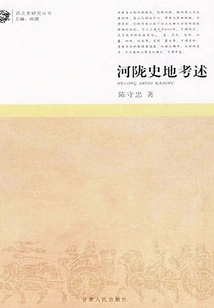
Textual Research on the History and Geography of Helong
About This Novel
In the study of regional history in China, the study of northwest history plays an extremely important role. To promote the continuous deepening of the study of Chinese history, we must strengthen the study of regional history; and to improve the level of regional history research, we must also fully absorb the results of general history research. Only in this way can we enrich the content of Chinese history research and promote the in-depth development of Chinese history research. Gansu Province was called Hexi Longyou in ancient times, or Helong for short. Within the territory, snow-capped mountains and deserts confront each other, high mountains and low valleys are parallel, and grasslands and farmland reflect each other. It can be described as colorful. Its history can be corroborated by unearthed cultural relics and ancient historical legends. It can be traced back to 8,000 years ago, which is very long. The ethnic groups found in history books include the Xiongnu, Qiang, Yueshi, Wusun, Tubo, Uighur, Tuyuhun, Turks, Mongols, etc., Which can be described as diverse. Cultural treasures such as the Dunhuang Diigao Grottoes, Zhangye Buddhist Temple, Yongjing Bingling Temple, and Tianshui Maiji Mountain are among the most praised. It can be described as rich. The author of this book combines regional history with national history. The time covered in this paper ranges from the Qin and Han Dynasties to the Ming and Qing Dynasties; the area included is the jurisdiction of the Liangzhou Governor's Department in the Han Dynasty and the Protectorate of the Western Regions, that is, Longyou in Hexi Province in the Tang Dynasty. In this vast land, various fraternal ethnic groups such as the Qiang, Yueshi, Wusun, Xiongnu, Uighur, Tubo, Dangxiang, Tuyuhun, etc. Migrated to and from each other and had frequent activities; the central dynasty organized management and unified governance. Although there were later divisions and separate regimes, in the long-term economic and cultural exchanges, the people of all ethnic groups were interdependent and integrated with each other, and finally reunited as an inseparable member of the Chinese nation. Through research and exposition, the author summarizes the successes and failures of history, so that people can clearly observe the past and learn from the present.
Official Sources
What Readers Think
Rating
Community(0)
Rating
Community(0)