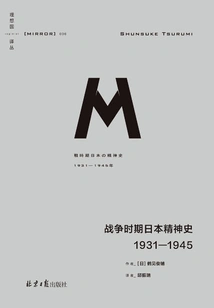
A Spiritual History of Japan During the War: 1931-1945
by L
About This Novel
From the "September 18th Incident" in 1931 to the end of World War II in 1945, Japan used the name of "national system" to shroud the entire Japanese empire, including its colonies, under the control of a strong national ideology. It was extremely fanatical about war, the emperor, and the country, and further deepened its Greater Asiaticism and jade-breaking ideas. By examining the seclusion and inferiority complex of the Japanese, the ideological process of intellectuals, the coercive power of the state, and the relationship between the state and the people, Shunsuke Tsurumi incisively analyzes how Japan transformed from a country that became prosperous, strong, free and open in spirit during the Meiji period to a conservative, narrow-minded and aggressive country with rampant fascism. He went on to explain why Japanese intellectuals failed in their struggle, introspection, and resistance to nationalism, and how they succumbed and "turned" after being oppressed and became "accomplices" of militarism. Finally, when the country launched a war, they propagandized and justified militarism and supranationalism, leading Japan to a path of destruction.
Official Sources
What Readers Think
Rating
Community(0)
Official(2)Scraped 1mo ago
The Japanese people's seclusion spirit and inferiority complex existed during that period, and the efforts of advanced intellectuals were also effective. They gradually moved from being closed to being open, and from being backward to being strong.
After experiencing the Meiji Restoration, modern Japan gradually stepped onto the world stage and even reached the forefront of the world. At different stages, Japan's spirit and civilization are also different.
Rating
Community(0)
Official(2)Scraped 1mo ago
The Japanese people's seclusion spirit and inferiority complex existed during that period, and the efforts of advanced intellectuals were also effective. They gradually moved from being closed to being open, and from being backward to being strong.
After experiencing the Meiji Restoration, modern Japan gradually stepped onto the world stage and even reached the forefront of the world. At different stages, Japan's spirit and civilization are also different.
