Irish Mythology
About This Novel
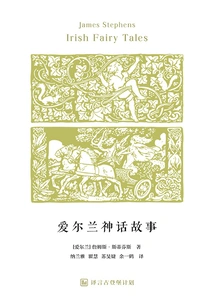
A new retelling of Irish mythology based on folk tales by Irish poet and novelist James Stephens. The new story is humorous and lyrical. James Stephens' work The Charwoman's Daughter was translated into "Mary Mary" by Xu Zhimo and introduced to China. Xu Zhimo commented, "His (James Stephens's) contribution to the literary world goes beyond "The Golden Jar" (Stephens's masterpiece, formerly known as "Crock of Gold"). He does not have Wilde's luxury, but his humor is purely national. Just as there was Jane Austen in Britain a hundred years ago, J. M. Barrie in modern Britain; and Robert Robert in Scotland more than a hundred years ago. Burns - Modern Ireland has James Stephens. Humor is genius, just as tragic feeling is genius. His genius is not superficial observation, it is the description of appearance, his is the expression of a poet's feeling in thousands of worlds, which is nothing special in itself. Stephens has this skill." James Stephens had a good relationship with James Joyce. For a while, Joyce even planned to collaborate with him on "Finnegan's Wake" and share the pseudonym JJ&S. (James Joyce & Stephens, this is also a pun, because at that time there was a famous Irish whiskey trademark named John Jameson & Sons) However, this plan could not be implemented due to various reasons. James Stephens (1882-1950) Irish poet and novelist. Born in a poor family in Dublin, he worked as a shop assistant and secretary. He was an active participant in the Irish Renaissance and was knowledgeable in Celtic mythology and Gaelic rhyme. Like other writers during the Irish literary resurgence of the 20th century, he often worked with Gaelic folktales. He was good at combining fantasy, reality and satirical humor, and created many new versions of Irish myths and folk tales, and his new stories combined rare humor and lyricism.
Official Sources
What Readers Think
Rating
Community(0)
Rating
Community(0)