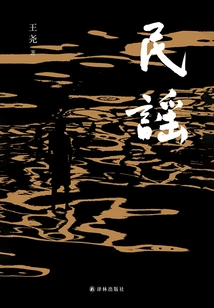
Folk Songs (works by Wang Yao)
by Wang Yao
About This Novel
"I sat on the pier, the sun was like a thin piece of paper under my buttocks." The time was set back to May 1972. In Jiangnan Brigade, which is built on water, the long rain finally stopped. The smell of fermented wheat enveloped the village, and undercurrents surged in daily life. At the dockside, a fourteen-year-old boy is waiting for his grandfather who understands historical issues, and people from the Jiangnan brigade are waiting for the big ship of the oil drilling team. However, life eventually runs out of people's expectations and control. The young man looked left and right at the pier, wandered back and forth between the farmhouse and the town, and wandered in and out of the intertwined team history, family history, and revolutionary history. He grew up while running, and looked back while growing up. In looking back, his memory fermented and grew. The yellow leaves of the old historical trees fall into the stories and characters of "Folk Song" one by one, fluttering, spinning and flying. The author Wang Yao has been preparing for his debut novel "Folk Ballad" for more than 20 years, thus fulfilling his long-cherished wish to rebuild the connection between individuals and history. In his dual roles as a storyteller and a spectator of the story, he mixed comments and lyrical criticism. The fragments and fragments in the passage of time continued to collide, revealing new gaps, and the novel thus pieced together a realistic path that can truly enter history. There are stories here, but they are calm; they come from history and are born out of daily life; Sanqu folk songs contain endless changes in personnel and world conditions. "Folk Ballad" lays out the spiritual history of a young man's growth, the history of changes and development of a village, and the history of culture and revolution of a nation. It uses the tiny and delicate memory of an individual to resist the grand and cruel memory of the times.
Official Sources
What Readers Think
Rating
Community(0)
Rating
Community(0)
