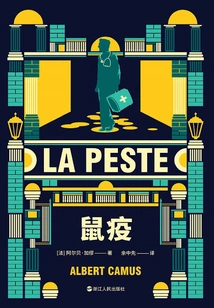
Camus Trilogy: the Plague
by H
About This Novel
"The Plague" is a fable novel that describes a plague disaster that occurred in a small town called Oran in North Africa, and the process of people's resistance to the plague. Camus uses a third-person perspective throughout the novel to depict various social pictures of life and death struggles during the epidemic. He ends the novel with a short-lived victory, clarifying that the pathological social phenomenon has led to the long-term presence of plague in human life. The exclamation issued by the work is not an accusation but a beautiful expectation, a metaphor for people's choices and struggles in the face of absurd situations. Camus deeply hopes that social viruses like the plague can disappear forever, freeing mankind from these senseless disasters. True redemption is not victory after a fight, but the ability to find the strength to live and peace of mind in suffering.
Official Sources
What Readers Think
Rating
Community(0)
Official(1)Scraped 1mo ago
"The Plague": The Brilliance of Humanity in Absurdity
Camus's "The Plague" is not only a chronicle of the plague, but also a mirror that reflects human nature. Dr. Rieux is a silent hero. He knows that fighting is futile, but he treats patients day after day and uses his actions to interpret the simple truth of "doing your job well." Tarrou pursued inner peace, organized a volunteer team, and eventually became a victim of the plague. His death was the most tragic resistance to absurdity. Grand, a humble clerk, repeatedly refined a sentence and maintained his dignity in the ordinary. Rambert went from escaping to staying actively, completing the transformation from personal happiness to collective responsibility. Father Paneloux regards the plague as God's punishment, but his faith is shaken after witnessing the death of a child, illustrating the eternal paradox of faith and suffering. Cottard thrives in chaos and is a portrait of the darker side of human nature. Card The old doctor Steer quietly develops the serum, which represents the glimmer of scientific rationality. The plague is a metaphor - it is war, totalitarianism, and any absurd force that alienates people. Camus enlightens us: the world is meaningless, but people can create meaning in resistance. True heroism is not to defeat the plague, but to still choose to stand on the side of the victim in a struggle that is sure to fail. "This is where human dignity lies" - this sentence travels through time and space and is still probing the soul of every reader.
Rating
Community(0)
Official(1)Scraped 1mo ago
"The Plague": The Brilliance of Humanity in Absurdity
Camus's "The Plague" is not only a chronicle of the plague, but also a mirror that reflects human nature. Dr. Rieux is a silent hero. He knows that fighting is futile, but he treats patients day after day and uses his actions to interpret the simple truth of "doing your job well." Tarrou pursued inner peace, organized a volunteer team, and eventually became a victim of the plague. His death was the most tragic resistance to absurdity. Grand, a humble clerk, repeatedly refined a sentence and maintained his dignity in the ordinary. Rambert went from escaping to staying actively, completing the transformation from personal happiness to collective responsibility. Father Paneloux regards the plague as God's punishment, but his faith is shaken after witnessing the death of a child, illustrating the eternal paradox of faith and suffering. Cottard thrives in chaos and is a portrait of the darker side of human nature. Card The old doctor Steer quietly develops the serum, which represents the glimmer of scientific rationality. The plague is a metaphor - it is war, totalitarianism, and any absurd force that alienates people. Camus enlightens us: the world is meaningless, but people can create meaning in resistance. True heroism is not to defeat the plague, but to still choose to stand on the side of the victim in a struggle that is sure to fail. "This is where human dignity lies" - this sentence travels through time and space and is still probing the soul of every reader.
