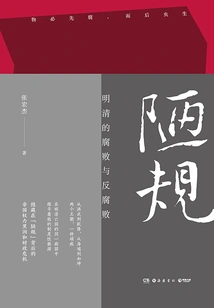
Bad Rules: Corruption and Anti-corruption in the Ming and Qing Dynasties
About This Novel
History is continuous. During the dynasty changes from the Ming to the Qing, the basic structure of the power structure has always maintained a strong inertia. Corruption is the entrance to analyzing this power structure. This book focuses on the Ming and Qing Dynasties, and uses clear logic and vivid details to completely tell the whole story of Zhu Yuanzhang, Hongli and others' anti-corruption efforts. By elaborating on their background, process, outcome and impact, it focuses on the various difficulties that caused the Ming and Qing dynasties to be trapped in the quagmire of corruption. Taking "bad regulations", a phenomenon of corruption that ran through the Ming and Qing dynasties, as an entry point, it reproduces the imperial institutional structure and officialdom ecology at that time, deeply explores the root causes of the decline of the Ming and Qing dynasties, and puts forward reflections that transcend the times.
Official Sources
What Readers Think
Rating
Community(0)
Official(2)Scraped 2mo ago
A very wonderful book. Greed is human nature. Corruption cannot be solved by education and guidance. We need to rely on interests and harsh laws, or carrots and sticks. Fall is the destiny of everyone. Leaders must update and iterate and bring forth the new. The law of adhering to success is not about words and deeds, principles or policies, but about seeking truth from facts and pioneering spirit, which is the spirit. The only constant is that it's always changing. Only a gangster in troubled times can be the founder of a country. Only those who are outgoing, lively and capable can prosper. Where is the way out for introverts? Sorry, there is no way out.
This book mainly talks about corruption and anti-corruption issues in the Ming and Qing Dynasties.
This book mainly talks about corruption and anti-corruption issues in the Ming and Qing Dynasties. It has clear logic, smooth narrative and high reading value. In my personal opinion, the character-centered writing style of this book always feels a little unsystematic. The Ming Dynasty only talks about Zhu Yuanzhang, so except for Zhu Yuanzhang, didn't the other Ming emperors try to fight corruption? Personally, I feel that if I were to write this book, I would prefer to focus on the system of the Ming and Qing dynasties rather than focusing on the emperors. I would like to use it as a thread through it and conduct an in-depth discussion on the corruption and anti-corruption issues of the Ming and Qing dynasties. This might be better.
Rating
Community(0)
Official(2)Scraped 2mo ago
A very wonderful book. Greed is human nature. Corruption cannot be solved by education and guidance. We need to rely on interests and harsh laws, or carrots and sticks. Fall is the destiny of everyone. Leaders must update and iterate and bring forth the new. The law of adhering to success is not about words and deeds, principles or policies, but about seeking truth from facts and pioneering spirit, which is the spirit. The only constant is that it's always changing. Only a gangster in troubled times can be the founder of a country. Only those who are outgoing, lively and capable can prosper. Where is the way out for introverts? Sorry, there is no way out.
This book mainly talks about corruption and anti-corruption issues in the Ming and Qing Dynasties.
This book mainly talks about corruption and anti-corruption issues in the Ming and Qing Dynasties. It has clear logic, smooth narrative and high reading value. In my personal opinion, the character-centered writing style of this book always feels a little unsystematic. The Ming Dynasty only talks about Zhu Yuanzhang, so except for Zhu Yuanzhang, didn't the other Ming emperors try to fight corruption? Personally, I feel that if I were to write this book, I would prefer to focus on the system of the Ming and Qing dynasties rather than focusing on the emperors. I would like to use it as a thread through it and conduct an in-depth discussion on the corruption and anti-corruption issues of the Ming and Qing dynasties. This might be better.