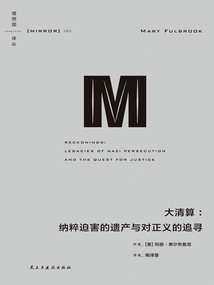
The Great Reckoning: the Legacy of Nazi Persecution and the Quest for Justice (utopia Translation Series 069)
About This Novel
From the Holocaust Memorial Museum in Washington, D. C., To the inscribed copper plaques on Berlin sidewalks, memorials to the victims of Nazi atrocities exist around the world. More than 1 million tourists visit Auschwitz every year, and events to reflect on the crimes are held here. "Auschwitz" is often used to refer to the Nazi Holocaust, but focusing on just one concentration camp is far from enough to do justice. How to define "victims" and "perpetrators" comprehensively and fairly, and what long-term impact the Nazi persecution left on generations and continents are worthy of more in-depth thinking. This book examines the trials and testimonies, the words of perpetrators and victims in the decades after World War II, explores the Nazi liquidation from a broader perspective, and strives to calibrate the scales of justice; revealing that in the long history of history, the degree of inhumanity of Nazi violence was far greater than how it was later interpreted. From early anti-Semitic policies to euthanasia programs, ghettos, death camps, and selective confessions in the postwar decades, the author dispels the official myth that the so-called "face to face the past" is actually "the vast majority of perpetrators are not held accountable." In East Germany, West Germany, Austria and other successor states of the Third Reich, the intensity of accountability for the Nazis varied greatly, and the Cold War pattern exacerbated the complexity of liquidation. Judicial trials were conducted selectively and former Nazis were easily reintegrated into society. In the context of a thorough reckoning, the descendants of the perpetrators and victims carry the legacy of Nazism forward, and the consequences of the atrocities still reverberate through time.
Official Sources
What Readers Think
Rating
Community(0)
Rating
Community(0)