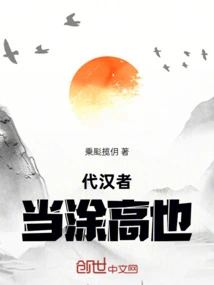
Those Who Represent the Han Dynasty Should Be Tu Gaoye
by Follow The Wind And Embrace The Moon
About This Novel
What is the regret of history? It is the rolling water of the Yangtze River that passes eastward, and the waves wash away all the heroes. At the end of the Eastern Han Dynasty, there was a struggle for supremacy in troubled times. What would happen if one person was better than the other?
Official Sources
What Readers Think
Rating
Community(0)
Official(6)Scraped 1mo ago
There are numerous gardens, boats wandering on the left side of the river, forests on the flat hills, and a moon like a hook. Sing and drink, go and rest, whatever you want, I will flow with you.
Only when there are regrets will there be stories, and only then will people remember them.
The regret of history is that in an era when heroes emerged in large numbers, they lost to the Sima clan. The regrets of history are the unending war outside Luoyang City, the rebellion of the Eight Kings, the chaos of the Five Husbands in China, and the migration of people to the south. The regret of history is that the Han Dynasty finally fell by force and exhausted its heroes.
The universe and history are like banana deer, waking up from a great dream. The sun and stars are as light as water. The latent dragon soared into the mist, leaving the abyss and entering the sky. The lights in the world envy Huaxu, and we spend the rest of our lives chatting over a glass of wine. Come and go with the wind, morning and evening. The lonely moon is here for thousands of years, smiling at the tide.
The rolling Yangtze River flows eastward, and the waves wash away the heroes. Right and wrong, success or failure turn around in vain. The green hills are still there, and the sunset turns red several times. The white-haired fisherman and woodcutter on the Nagisa River is used to watching the autumn moon and spring breeze. Happy reunion over a pot of wine. Many things in ancient and modern times are all discussed in a joke.
The main focus is on military conquest, and the second is on establishing diplomatic relations. It is a very real ecology of the late Han Dynasty.
He is not keen on mindless sieges and bloody battles. He focuses on planning ahead to determine victory or defeat. He first uses long-term strategies to trap the opponent in a situation, and then uses diplomatic means to disintegrate the alliance of all parties. From stirring up the situation in Yanzhou, using natural disasters to gain people's hearts and squeezing the living space of the princes, to arranging secret chess in Qingzhou to stir up disputes among all parties, to setting up a strategy in the court to eliminate internal opposition forces, all the trends of the situation were fully predictable. At the diplomatic level, we must win over weak forces, alienate hostile alliances, and rely on various princes to contain each other, so as to stabilize the overall situation and minimize the loss of our own troops.
It doesn't follow the cliché counterattack routine, and the plot is solid and engaging.
Advantages: There are no outrageous cheats. It all relies on vision and strategy to slowly develop power. The court games and the pull of various forces are written in detail, and the characters are vivid and not stereotyped. The overall rhythm is relaxed and moderate, and the overall layout is getting bigger and bigger. Disadvantages: The plot is too deep in the early stage, and the protagonist appears too late, so patience is required. Personally, I think that the author's writing skills improve over time from the early stage to the later stage😑
Rating
Community(0)
Official(6)Scraped 1mo ago
There are numerous gardens, boats wandering on the left side of the river, forests on the flat hills, and a moon like a hook. Sing and drink, go and rest, whatever you want, I will flow with you.
Only when there are regrets will there be stories, and only then will people remember them.
The regret of history is that in an era when heroes emerged in large numbers, they lost to the Sima clan. The regrets of history are the unending war outside Luoyang City, the rebellion of the Eight Kings, the chaos of the Five Husbands in China, and the migration of people to the south. The regret of history is that the Han Dynasty finally fell by force and exhausted its heroes.
The universe and history are like banana deer, waking up from a great dream. The sun and stars are as light as water. The latent dragon soared into the mist, leaving the abyss and entering the sky. The lights in the world envy Huaxu, and we spend the rest of our lives chatting over a glass of wine. Come and go with the wind, morning and evening. The lonely moon is here for thousands of years, smiling at the tide.
The rolling Yangtze River flows eastward, and the waves wash away the heroes. Right and wrong, success or failure turn around in vain. The green hills are still there, and the sunset turns red several times. The white-haired fisherman and woodcutter on the Nagisa River is used to watching the autumn moon and spring breeze. Happy reunion over a pot of wine. Many things in ancient and modern times are all discussed in a joke.
The main focus is on military conquest, and the second is on establishing diplomatic relations. It is a very real ecology of the late Han Dynasty.
He is not keen on mindless sieges and bloody battles. He focuses on planning ahead to determine victory or defeat. He first uses long-term strategies to trap the opponent in a situation, and then uses diplomatic means to disintegrate the alliance of all parties. From stirring up the situation in Yanzhou, using natural disasters to gain people's hearts and squeezing the living space of the princes, to arranging secret chess in Qingzhou to stir up disputes among all parties, to setting up a strategy in the court to eliminate internal opposition forces, all the trends of the situation were fully predictable. At the diplomatic level, we must win over weak forces, alienate hostile alliances, and rely on various princes to contain each other, so as to stabilize the overall situation and minimize the loss of our own troops.
It doesn't follow the cliché counterattack routine, and the plot is solid and engaging.
Advantages: There are no outrageous cheats. It all relies on vision and strategy to slowly develop power. The court games and the pull of various forces are written in detail, and the characters are vivid and not stereotyped. The overall rhythm is relaxed and moderate, and the overall layout is getting bigger and bigger. Disadvantages: The plot is too deep in the early stage, and the protagonist appears too late, so patience is required. Personally, I think that the author's writing skills improve over time from the early stage to the later stage😑
You Might Also Like
The World's Wealthy Businessmen
Daluoluo
Reborn Female General
Qianshan Tea Guest
Happy Little Governor
Mr. Guan
Uncle Lai of Red Mansion
Put Aside The Facts
Master Xing Ming
Mu Yi
When I Was in Qin, What Was the Difference between Me and Cao Cao?
Cook Hot Pot
Royal
Gao Yue
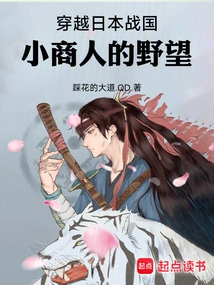
Traveling Through Japan's Warring States Period: the Ambition of a Small Businessman
The Avenue Of Stepping On Flowers. Qd
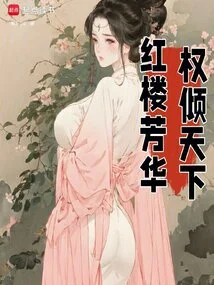
Youth in the Red Mansion, Power over the World
Car Loving Z
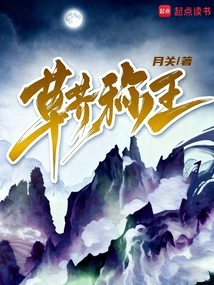
The King of Grass and Mustard
Yueguan