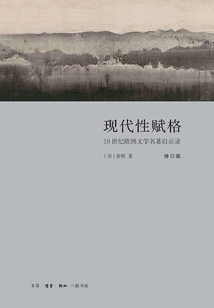
Fugue of Modernity: Apocalypse from 19th-century European Literary Masterpieces
by V
About This Novel
A "Literary Lecture Notes" written in Chinese; a work handout adhering to the legacy of Mu Xin's "Literary Memoirs"; and a rich intensive reading course on Western literature. What kind of "grass snake gray line" is hidden in the classics three hundred years ago? How should we find the key to open the monument of literature? Follow this book to become the "best reader" of Western literature. The debate between Chernyshevsky and Dostoevsky between utopia and dystopia is not far behind. Modernization in the global sense has arrived in China, and with it the bourgeois aesthetic. People desire, get lost, and fall in the consumer society, just like what was described in Flaubert's novels. Nietzsche, who refused to enter the 20th century, once predicted the disease of the times. The masses blindly follow entertainment and the elite blindly follow science. The two "crazy racing cars" are bound to carry mankind towards despair... "Madame Bovary", "Notes from the Underground" and "The Birth of Tragedy"... The "great minds" of the 19th century contain the most profound concern for us in the 21st century. This book combines literary criticism with prose chapters, and reproduces the historical context of European modernization through the reading of 19th-century European literature, in order to enter into a polyphonic reflection on "modernity". The "Enlightenment Chapter" takes the occurrence and evolution of the Enlightenment as a clue, eliciting counterpoints to the modern system and postmodern strategies; the "France Chapter" and the "Russian Chapter" contrast each other, presenting two responses to the modern system in developed and underdeveloped societies. "Nietzsche" is a reflection and response to the modern system from the overall pattern of Western intellectual history.
Official Sources
What Readers Think
Rating
Community(0)
Rating
Community(0)