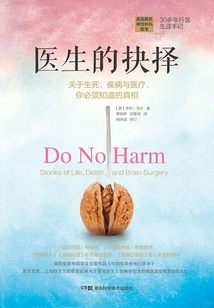
Doctor's Choice
About This Novel
A scalpel connects two souls, and a memoir sublimates benevolence and kindness. Over the past 30 years, Dr. Marsh has adhered to the "DonoHarm" creed and performed craniotomy surgeries on hundreds of patients with brain diseases. In this book, Marsh "uses the pen instead of the sword" and nakedly excavates the "cemetery in his heart": life and death decisions need to be made in urgent and uncertain situations every day. Dr. Marsh used a sincere and plain tone to describe the thoughts and feelings he had buried deep in his heart for decades: fear and anxiety before surgery, guilt after making mistakes, and regret and annoyance caused by failure. He also spoke candidly about the "disasters" he had created. Ignoring the early symptoms of postoperative infection, causing the patient to become paralyzed; the patient was in good condition after the operation, but suffered a stroke and aphasia for unknown reasons; two major surgeries failed to save an 11-year-old girl; the intern made a mistake and cut the patient's nerves; on the one hand, Dr. Marsh used precise Delicate words describe rare surgical scenes and thrilling details of the surgery; on the other hand, he uses British black humor to reveal taboo topics and unknown truths that most people dare not talk about: doctor-patient disputes, hospital management shortcomings, doctor training systems, etc. Dr. Marsh not only shares his profound insights into life, but also inspires readers to rethink life, death and the profound world in between.
Official Sources
What Readers Think
Rating
Community(0)
Official(1)Scraped 2mo ago
Use easy-to-understand language and professional insights to explain the risks, uncertainties and even catastrophic consequences of neurosurgery. The growth and improvement of every neurosurgeon's medical skills is accompanied by the suffering and even "sacrifice" of patients. As it is said at the end of the book: Every surgeon has a cemetery in his heart.
Rating
Community(0)
Official(1)Scraped 2mo ago
Use easy-to-understand language and professional insights to explain the risks, uncertainties and even catastrophic consequences of neurosurgery. The growth and improvement of every neurosurgeon's medical skills is accompanied by the suffering and even "sacrifice" of patients. As it is said at the end of the book: Every surgeon has a cemetery in his heart.