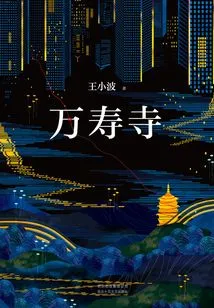
Wanshou Temple
by Wang Xiaobo
About This Novel
Li Yinhe exclusively authorized it and personally edited the entire manuscript. Wang Xiaobo's classic masterpiece! The crystallization of Wang Xiaobo's fantasy and absurdity: It is not enough for a person to only have this life, he should also have a poetic world! "Wanshou Temple" is Wang Xiaobo's masterpiece novel and the crystallization of Wang Xiaobo's imagination and absurdity. The experiences of Wang Er, the protagonist of "Wanshou Temple", and the experiences of legendary figures Xue Song and Hongxian of the Tang Dynasty are intertwined with ancient and modern times, telling stories about the present, past, self, memory, and traveling through time, space and regions. The author uses the method of borrowing ancient metaphors from the present, free and unrestrained imagination, and flexible narrative skills to construct a virtual, magical, and strange world of time and space. Through a series of absurd and interesting stories, the author shows the author's unique analysis of Chinese history and Chinese people's character, and at the same time alludes to the contemporary practical ills.
Official Sources
What Readers Think
Rating
Community(0)
Official(7)Scraped 1mo ago
It's a bit interesting, written in a different world and watched in a different setting. Misalignment creates magic.
There are many techniques like this in Italian new literature
The intricate threads eventually merge into the protagonist's past and reality. I like this fantasy style very much.
Everything is heading irrevocably toward vulgarity.
Is this book good to read?
great
Like Wang Xiaobo
Wanshou Temple
I forgot a lot of things and had to remember them all later. I thought that if I forgot those things, I would no longer be vulgar, but then I pursued vulgarity again to remember the forgotten things.
Rating
Community(0)
Official(7)Scraped 1mo ago
It's a bit interesting, written in a different world and watched in a different setting. Misalignment creates magic.
There are many techniques like this in Italian new literature
The intricate threads eventually merge into the protagonist's past and reality. I like this fantasy style very much.
Everything is heading irrevocably toward vulgarity.
Is this book good to read?
great
Like Wang Xiaobo
Wanshou Temple
I forgot a lot of things and had to remember them all later. I thought that if I forgot those things, I would no longer be vulgar, but then I pursued vulgarity again to remember the forgotten things.