
I'm a Human Resources Officer
About This Novel
After graduating from a grassroots female college student, she left a big city and fought monsters alone in a small workplace to level up. Isn't she smart? This is a story about graduation, employment, career choice, major... The dream is full, the life is fat, and the story is skinny. This book is as close to reality as possible. If you don't agree, come and argue! Due to the geographical location, there are occasional food intrusions, but... This is really not a food article~
Official Sources
What Readers Think
Rating
Community(0)
Official(89)Scraped 2mo ago
Opening a new book! (Book club group 836685810)
Hope to meet you again or meet you in this book! I took the Human Resources Management Level 2 exam in 2011 and failed. I took one make-up exam in 2012 and passed it. I failed the intermediate economist exam in 2014. The first level of human resources examination in 2015 is the highest level. At that time, I was taking the intermediate economist exam and the human resources level one exam at the same time. Finally, it's all over. I still remember when I was taking the manpower level one test, I had a brand new gel pen refill. After I finished writing, it was not enough, so I took out another one... In fact, it's useless after taking the exam, hahaha. Purely self-pleasure! By the way, if you have taken this certificate, you can come and talk about it! Mmm~(^з^)-☆

Check-in building
How about building a check-in building here too? 😑😑😑😶😶😶

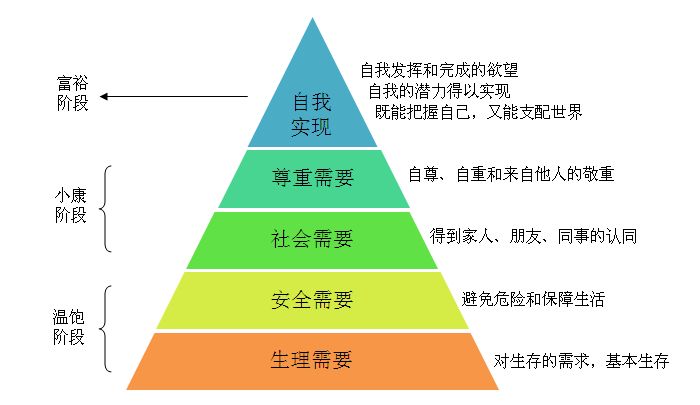
The concept of "Maslow's Hierarchy of Needs Theory" discussed in Chapter 1
Maslow's Hierarchy of Needs Theory, It is one of the theories of humanistic science. It can also be said that it is the basis for learning human resource management. It was proposed by American psychologist Abraham Maslow in his paper "Theory of Human Motivation" in 1943. The book divides human needs into five levels from low to high like a ladder. They are: physiological needs, safety needs, social needs, esteem needs and self-actualization needs. Only when people's lower-level needs are satisfied will they develop towards higher-level needs. As shown below:
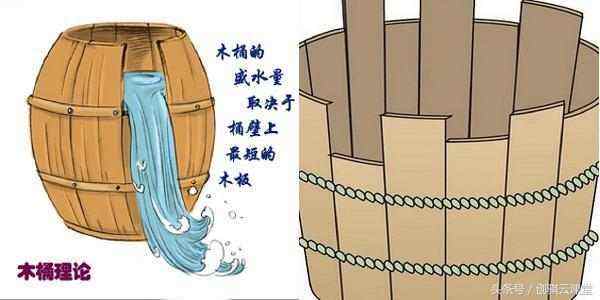
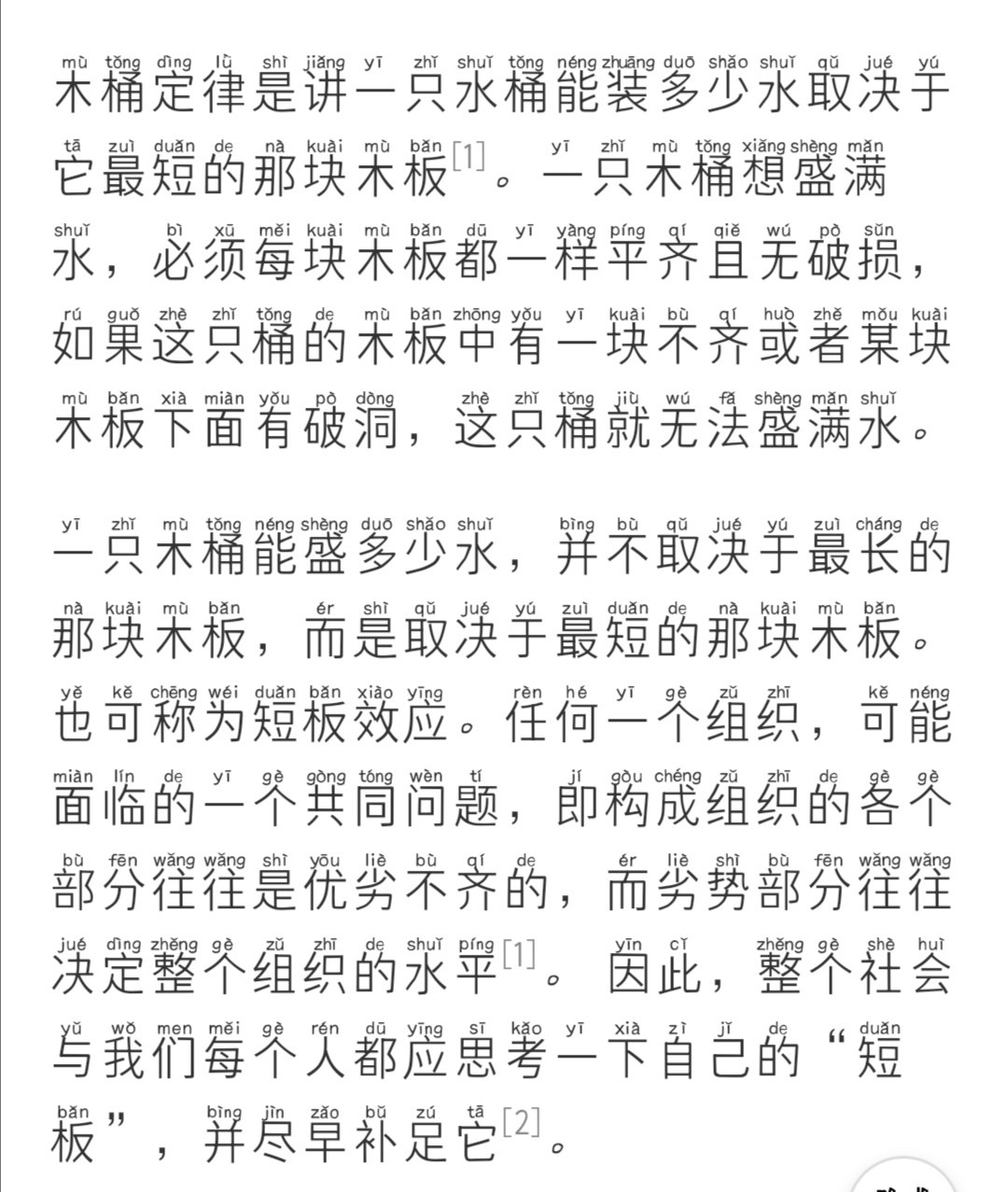
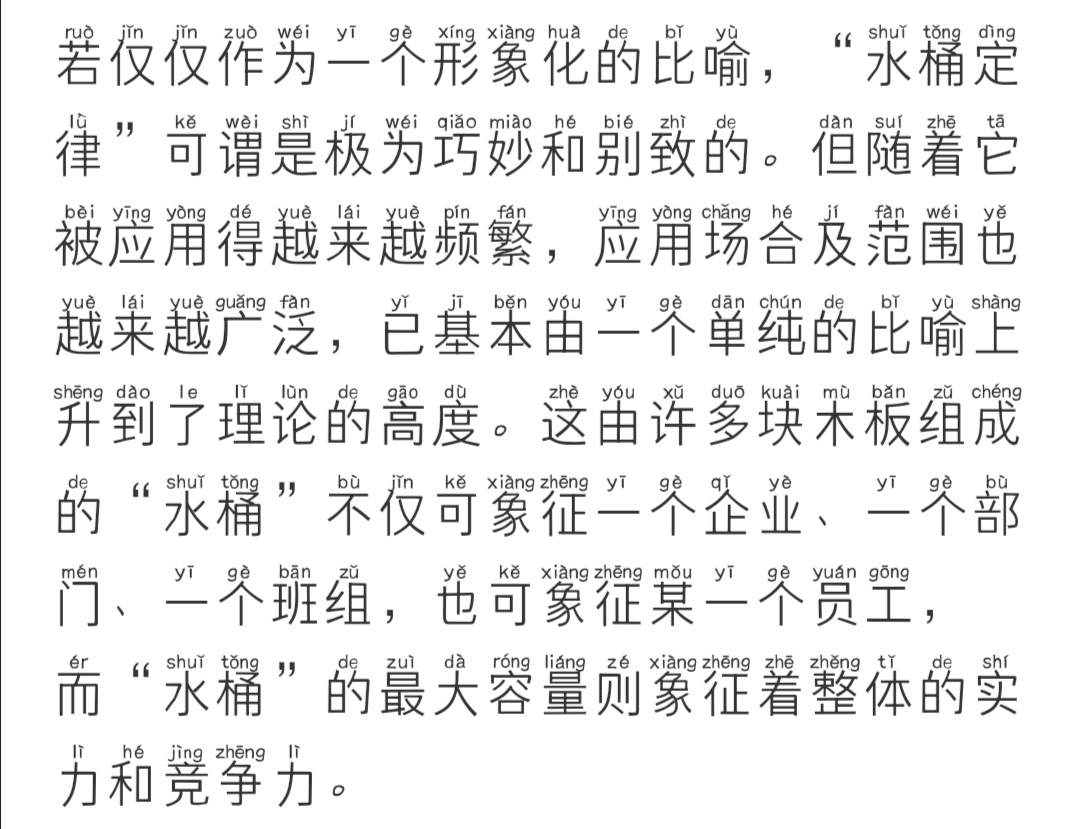
Chapter 240's "Bucket Law"
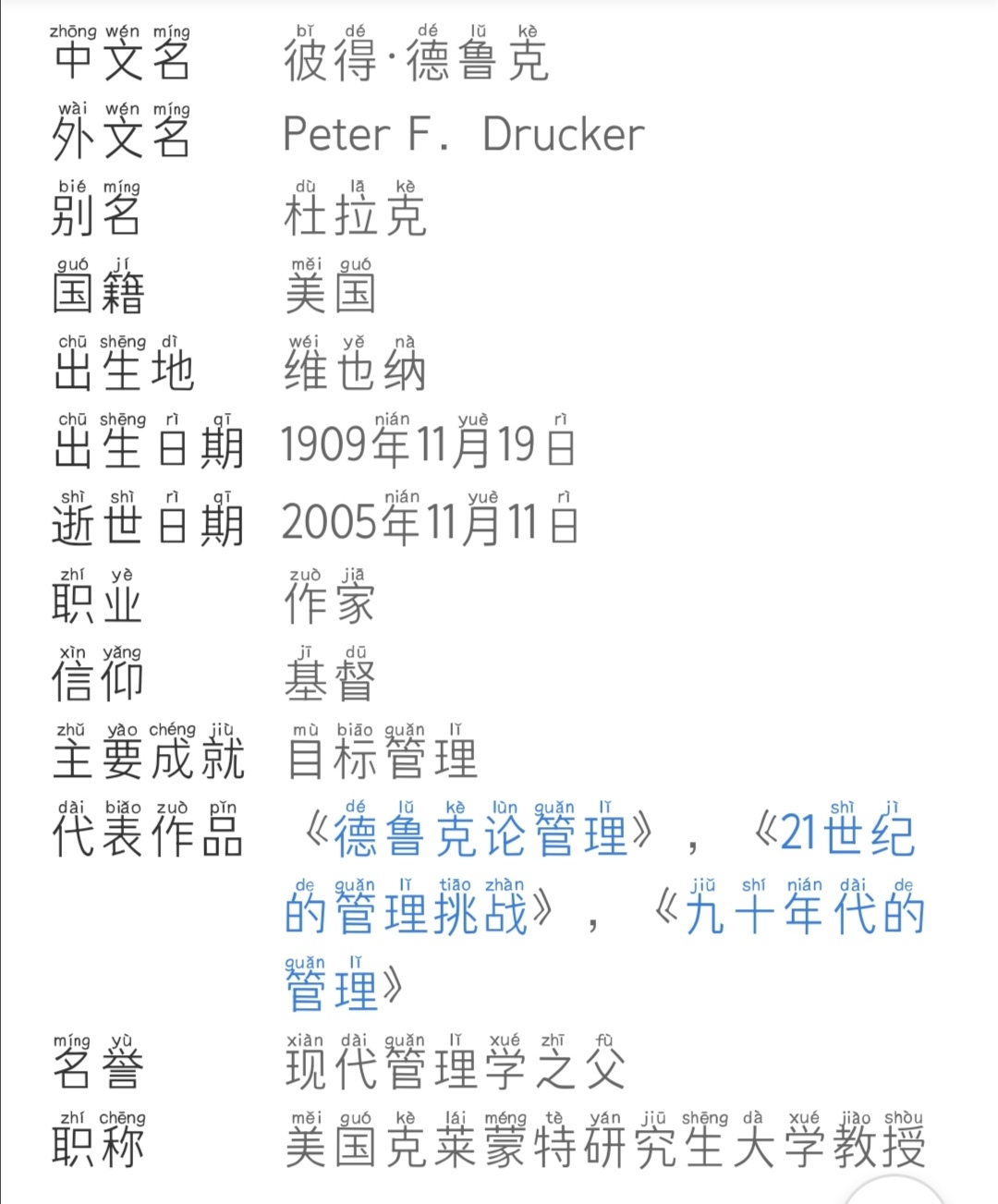
Bucket law, also called bucket principle, or wooden bucket law, short board effect... It was proposed by Peter Drucker, the father of modern American management. His works have influenced generations of scholars and entrepreneurs who pursue innovation and best management practices. Various business management courses are also deeply influenced by Peter Drucker's ideas.
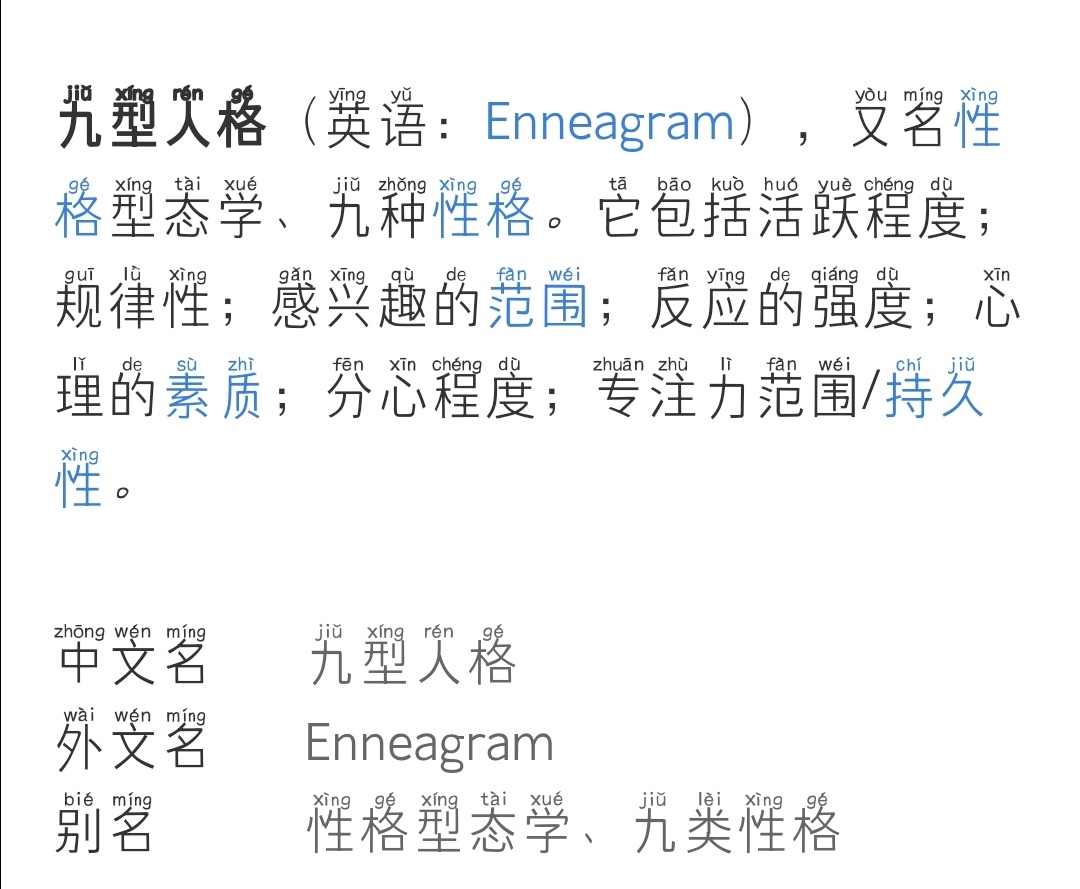
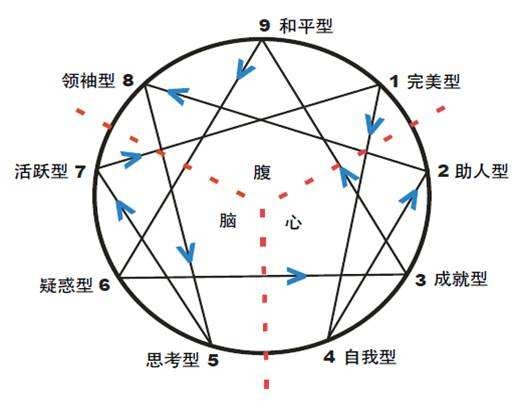
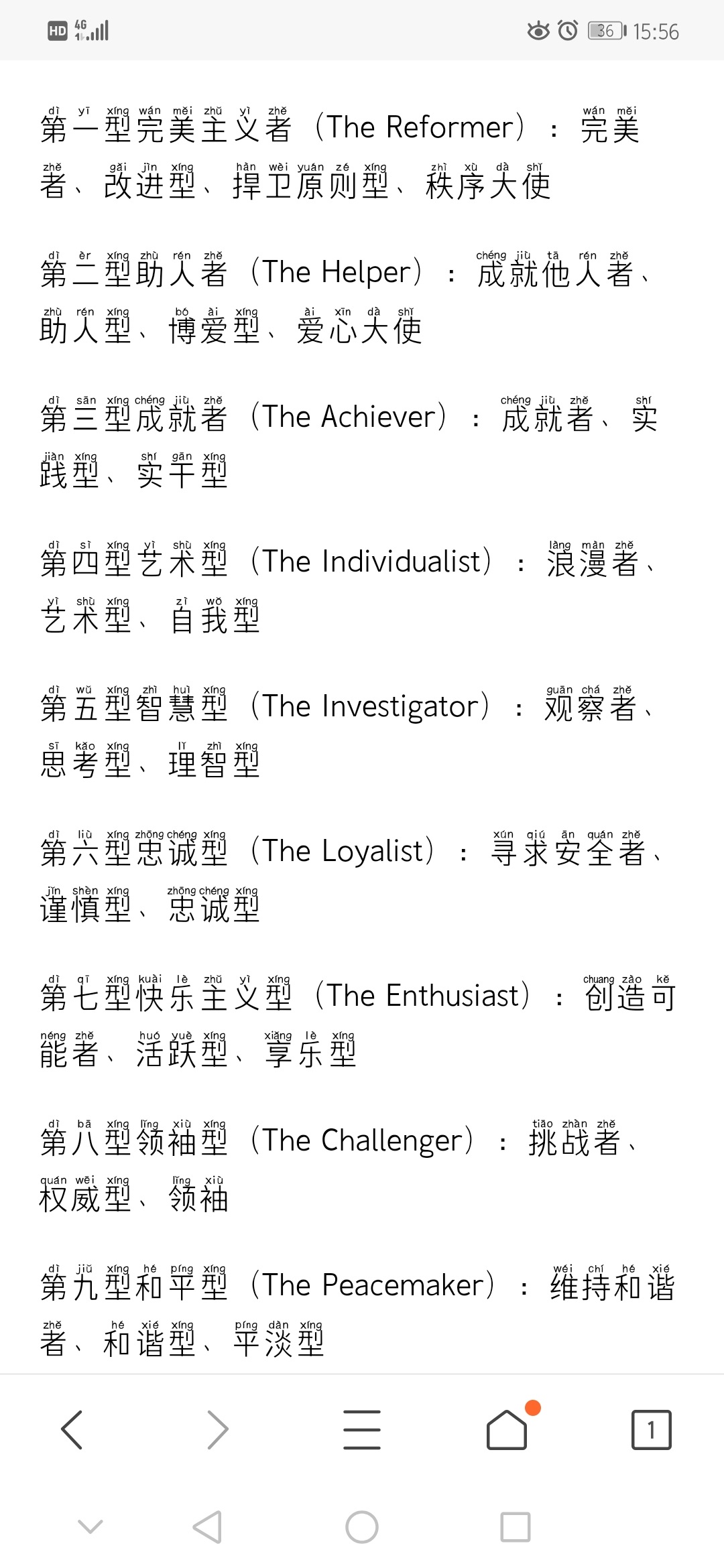
The Enneagram mentioned in Chapter 356
Sorry for adding pictures now, because I am really too lazy this year... The Enneagram is a very famous diagram, and it feels a bit like Leonardo da Vinci's famous human proportion diagram. In fact, people's personalities are often not single, but rather a blend of personalities in various proportions.
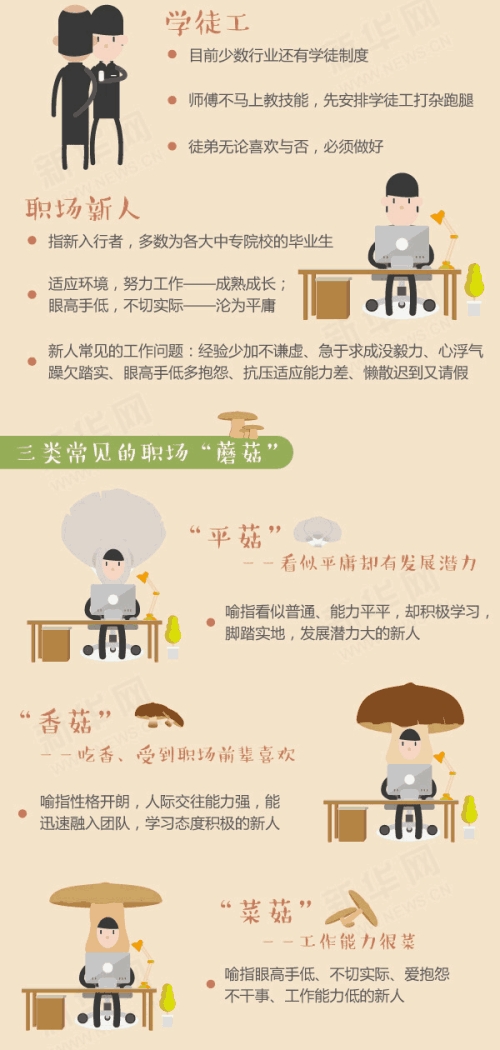
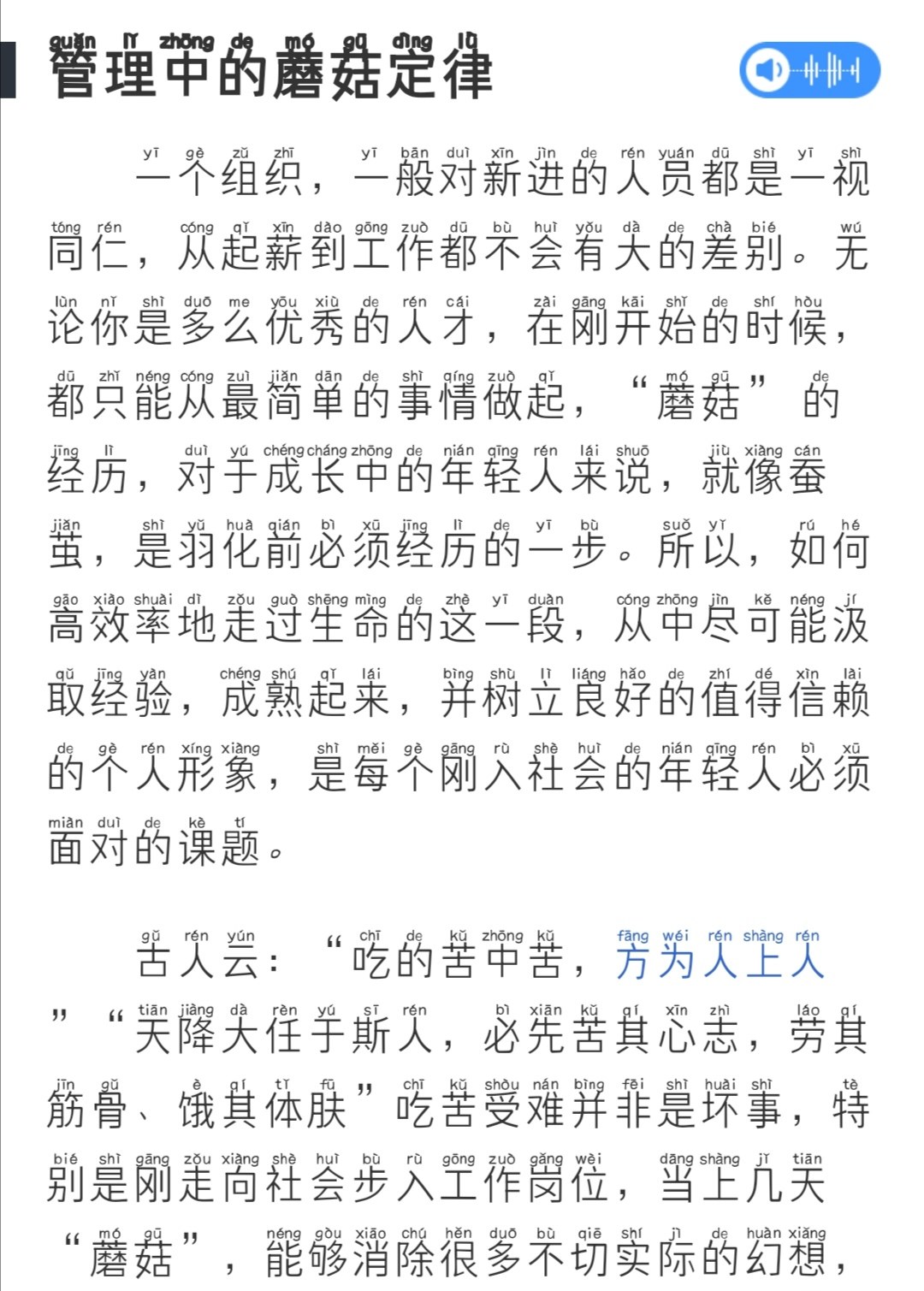
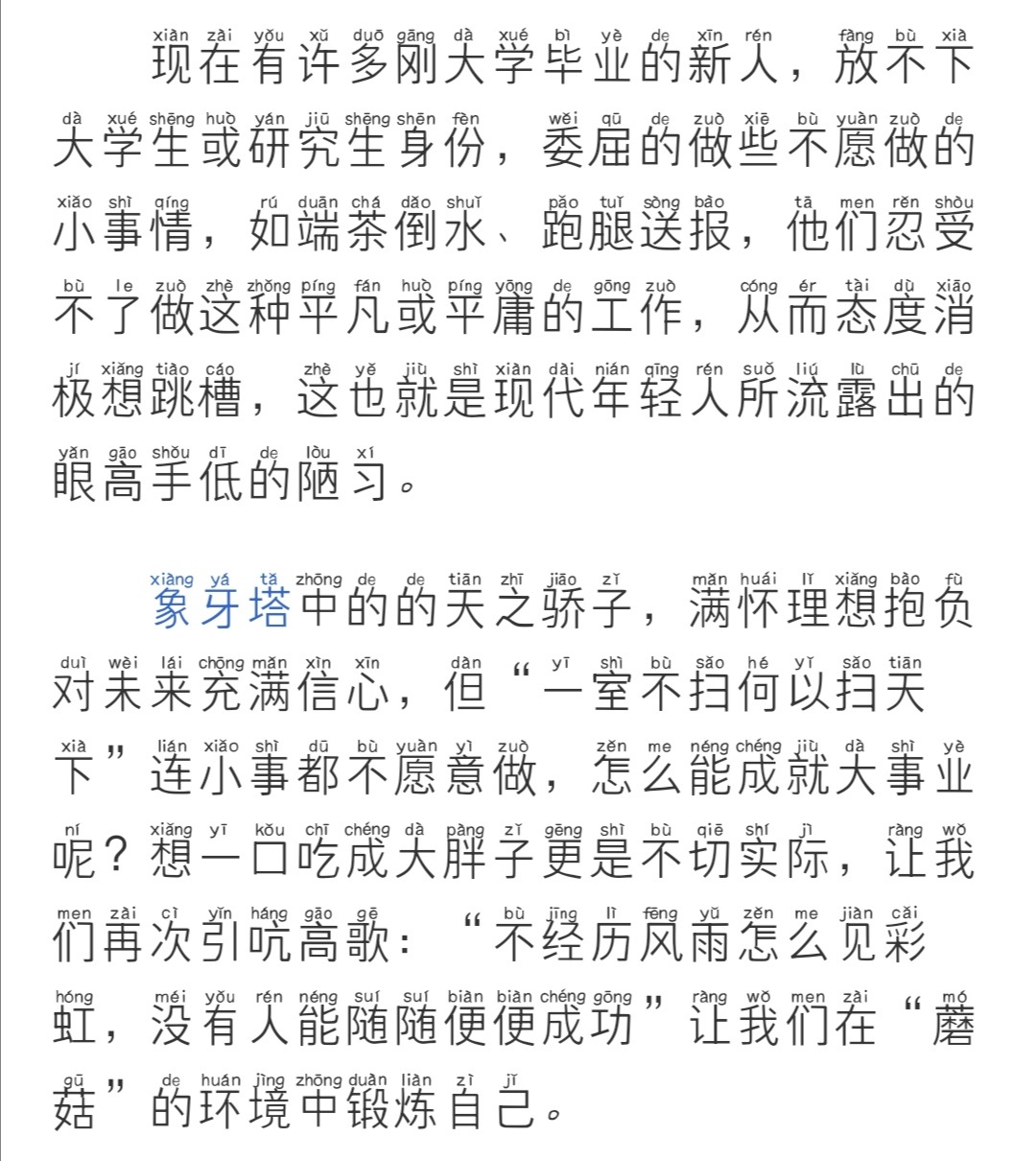
"Mushroom Management" discussed in Chapter 31
What kind of mushroom are you? The term Mushroom Management Law is said to have originated from a group of young computer programmers in the 1970s. Later it was extended to a management mentality of an organization or individual towards new entrants. Apprenticeship in ancient China is a typical phenomenon of "mushroom management". Apprenticeship systems no longer exist in most industries, but they still exist to a greater or lesser extent. Young people who are "fresh off their feet" or those who have arrived in a new unit or company have all experienced the experience of being "managed by mushrooms". The phenomenon of "mushroom management" exists and has its meaning.
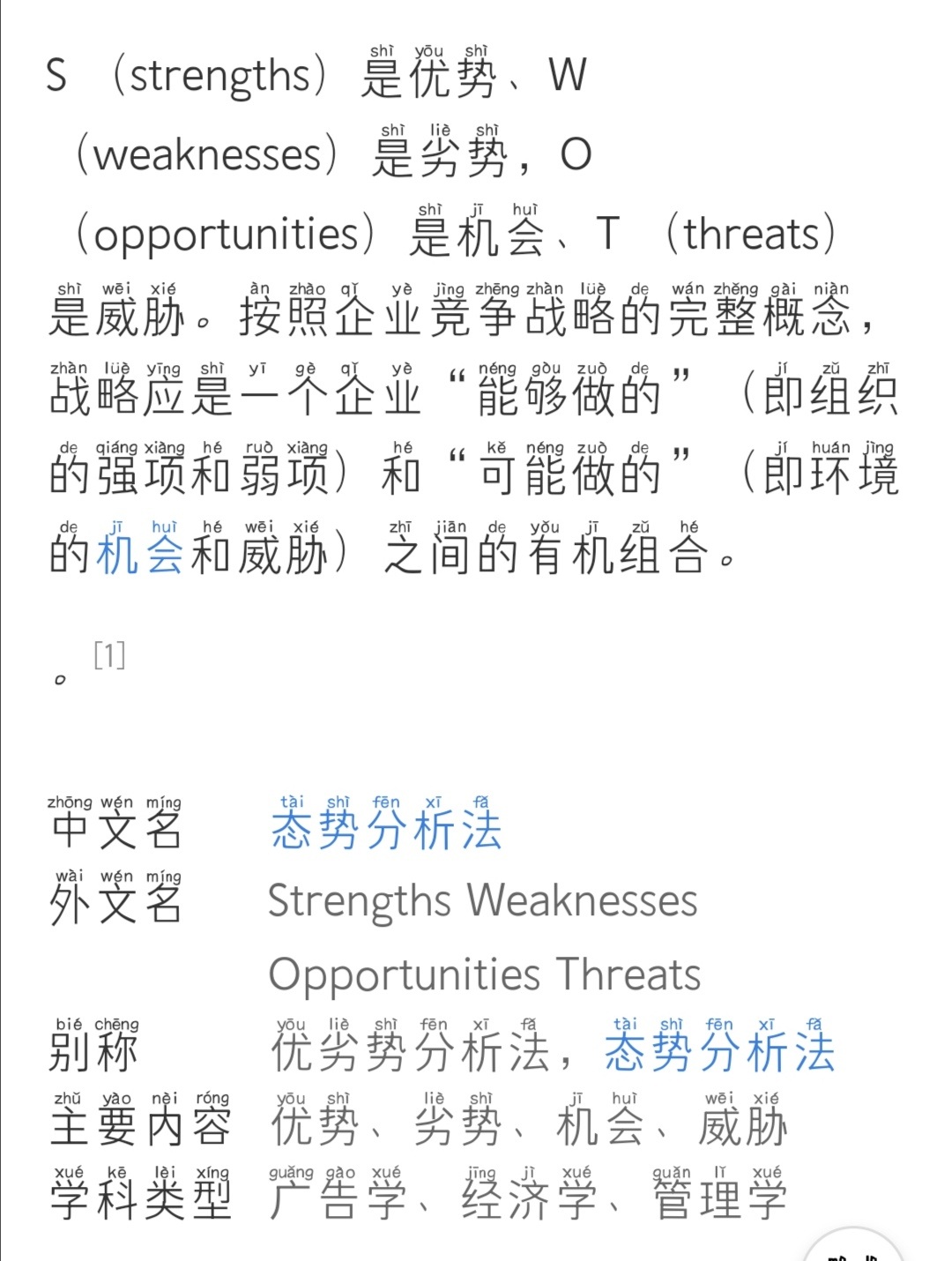
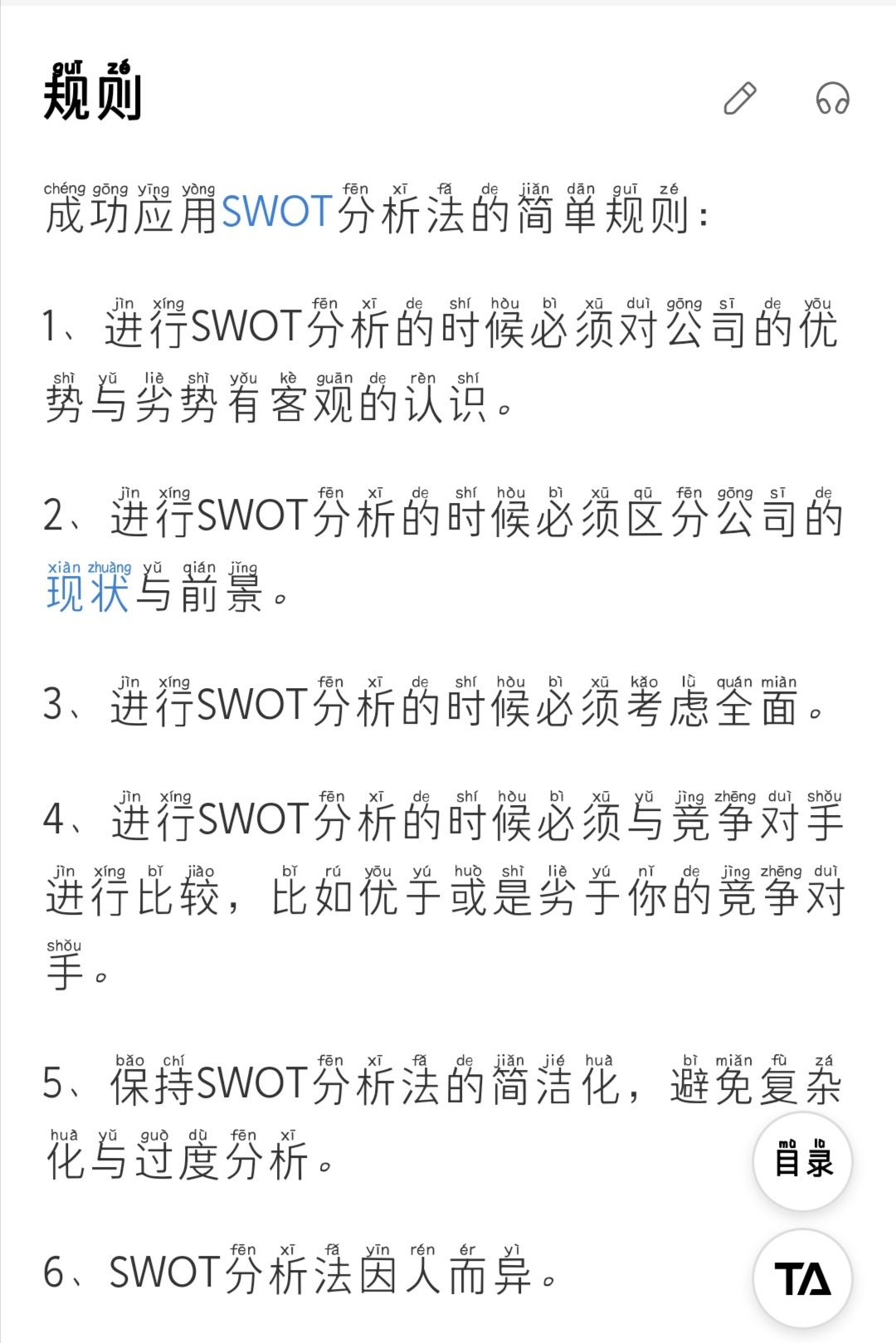
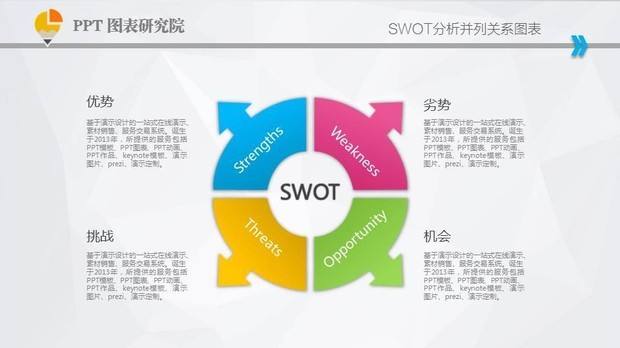
SWOT analysis mentioned in Chapter 26
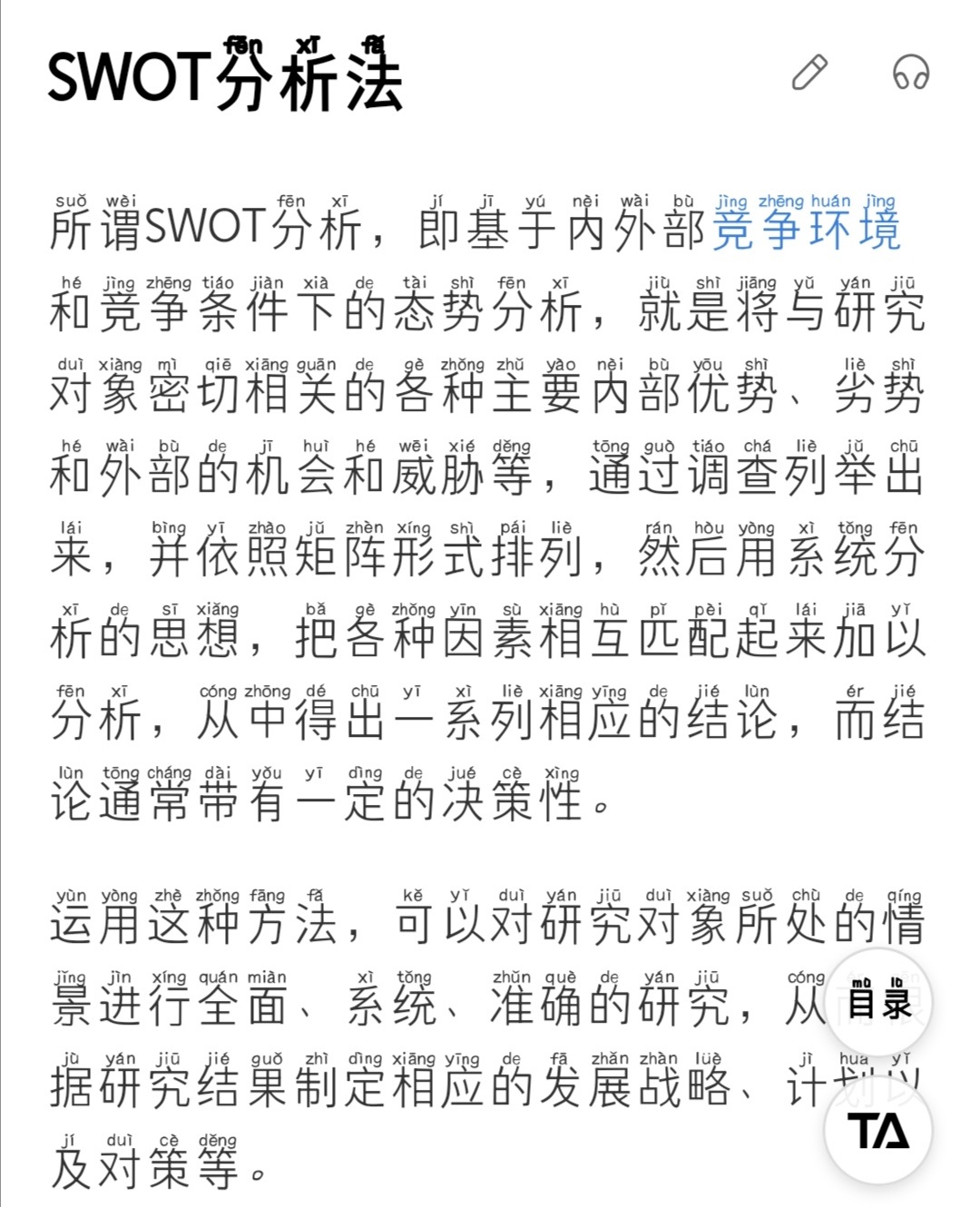
This SWOT analysis method can be used in many places. There are too many books on this topic, so go find them yourself if you are interested! . Figure 3, the rules summarize well, The key point is that in fact, everyone's analysis is different, which has something to do with everyone's thinking. Pictures and texts come from Baidu.
This book is about to be signed (not charging for listing, it's still early!)
Today, Wednesday, I finally received the signing notice. Then I have been procrastinating in writing these past few days. So embarrassing () = convex! Because the signing notice didn't come, I was depressed~ Then came, I continued to be lazy~ Just post a picture!
The word "search business" mentioned later in Chapter 25
I came across this term from an article on the "Youshu" public account. Although that article was actually an advertisement to promote a course, But this is the first time I see such a word, so I absorb it.


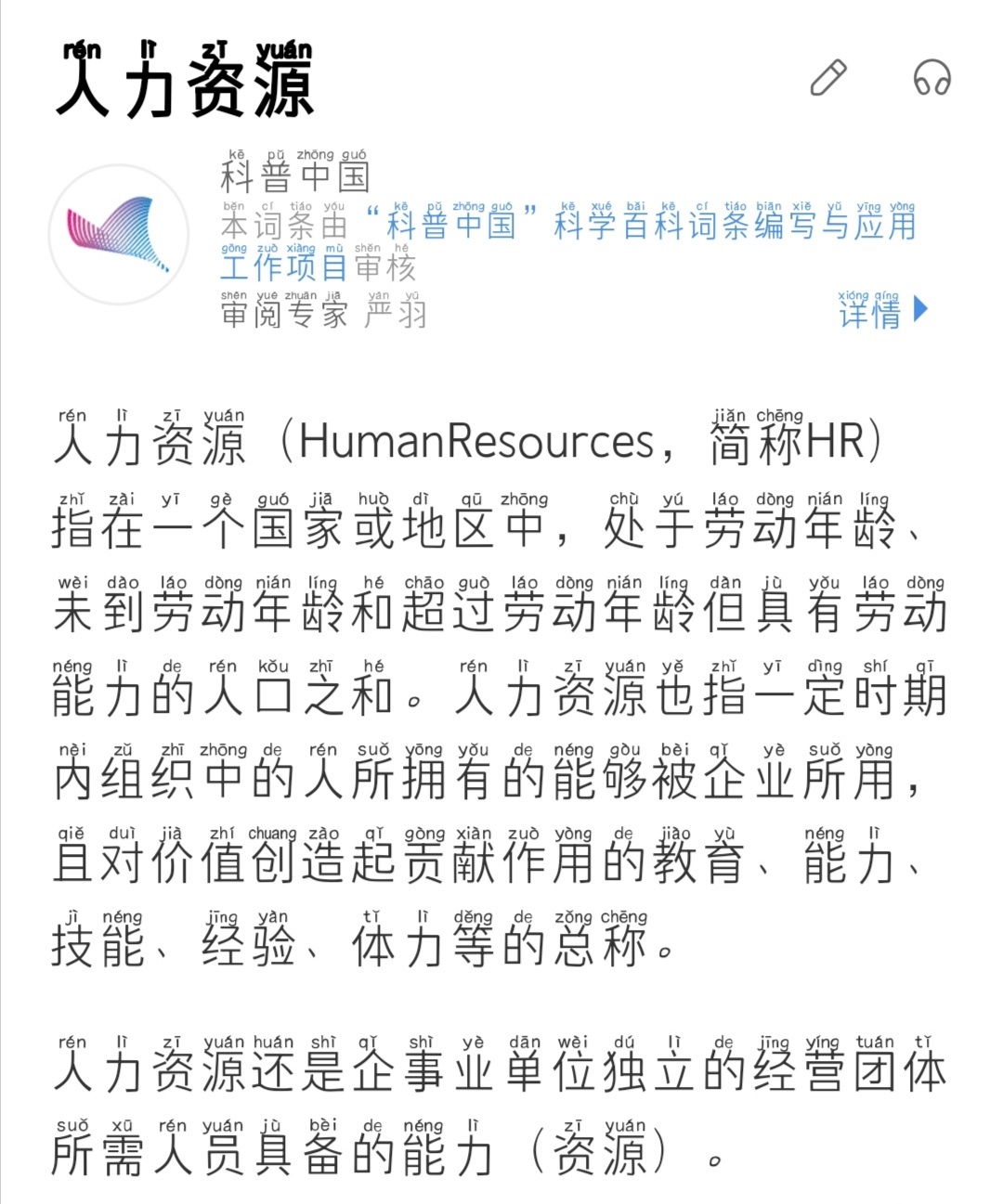
Some basic concepts about human resources in Chapter 107
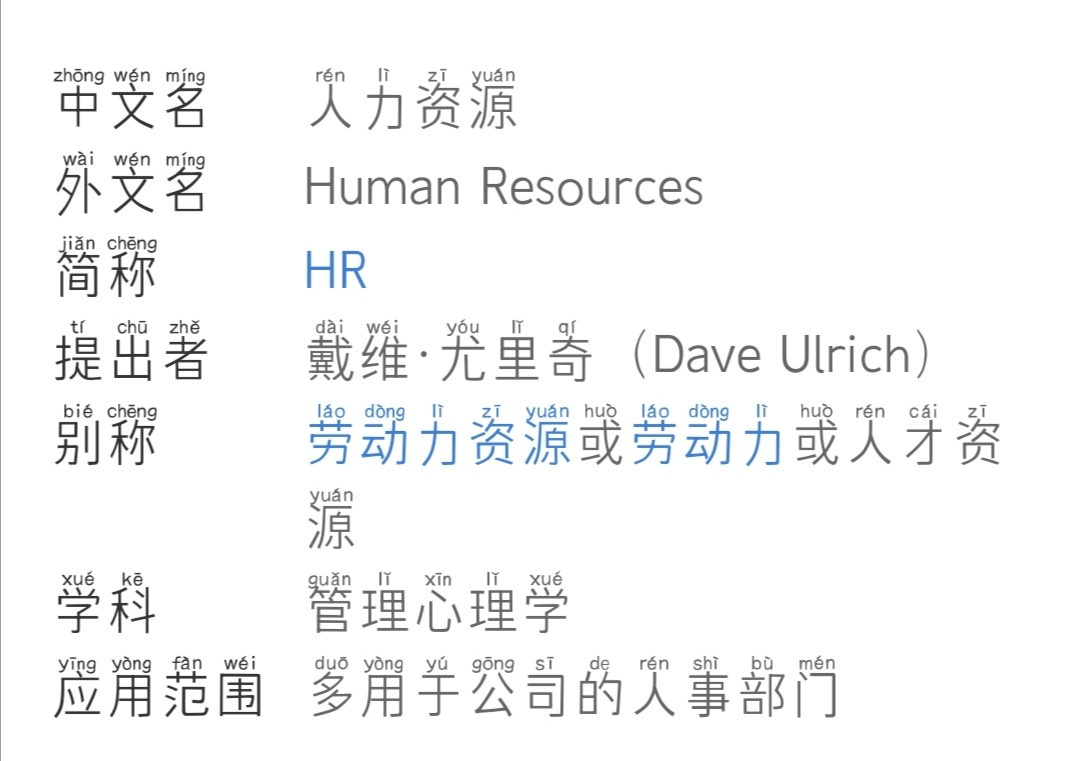
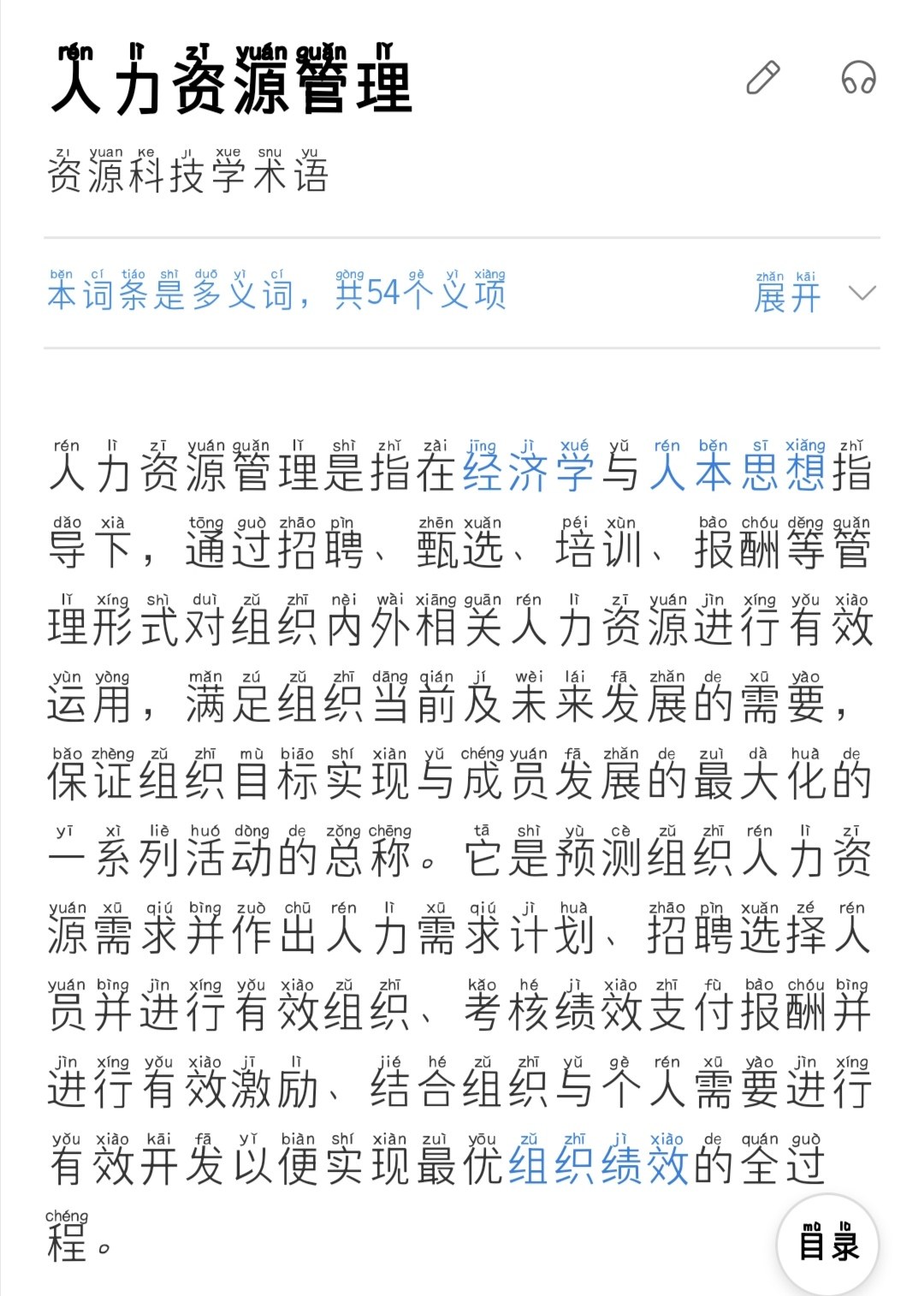
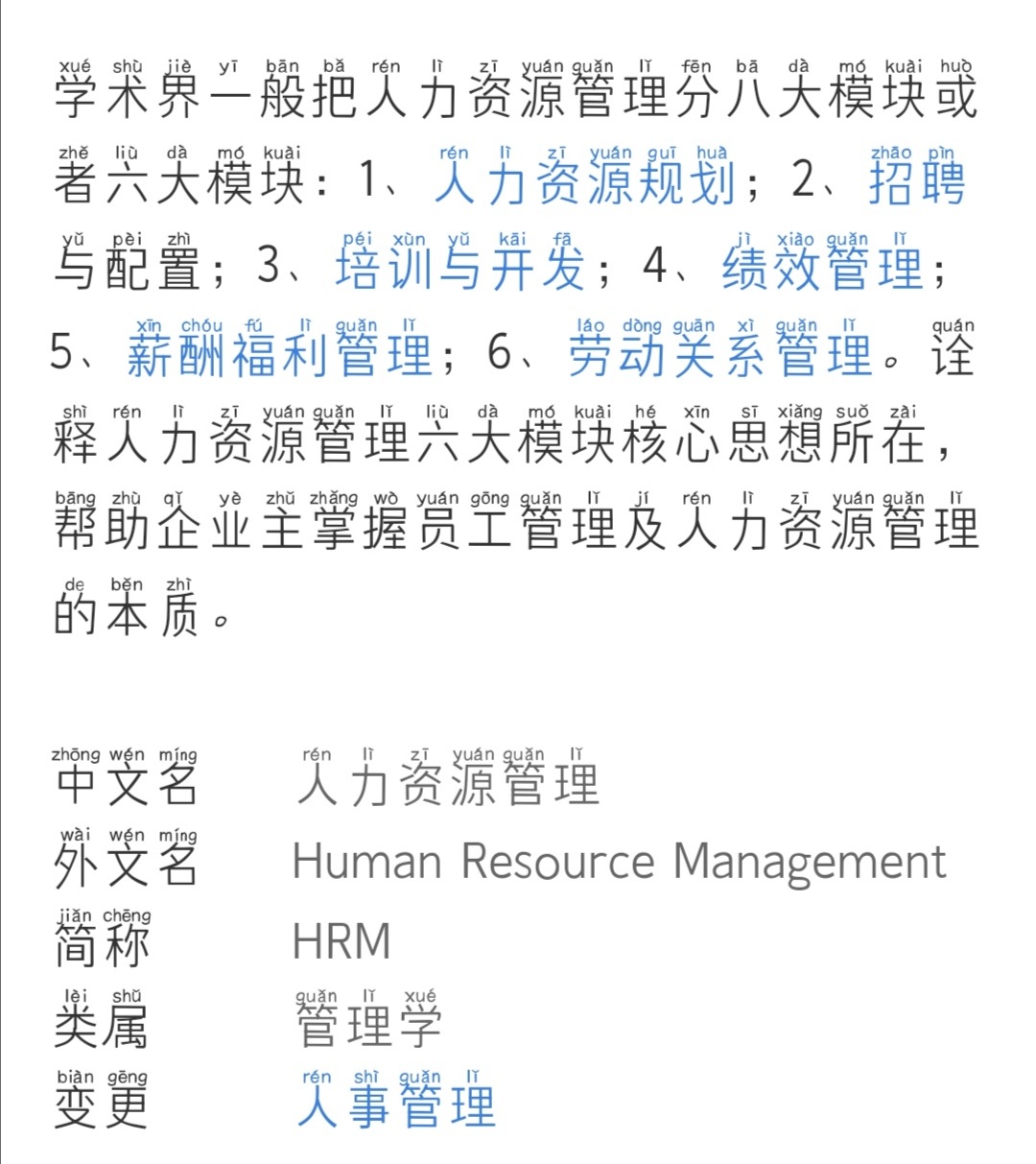
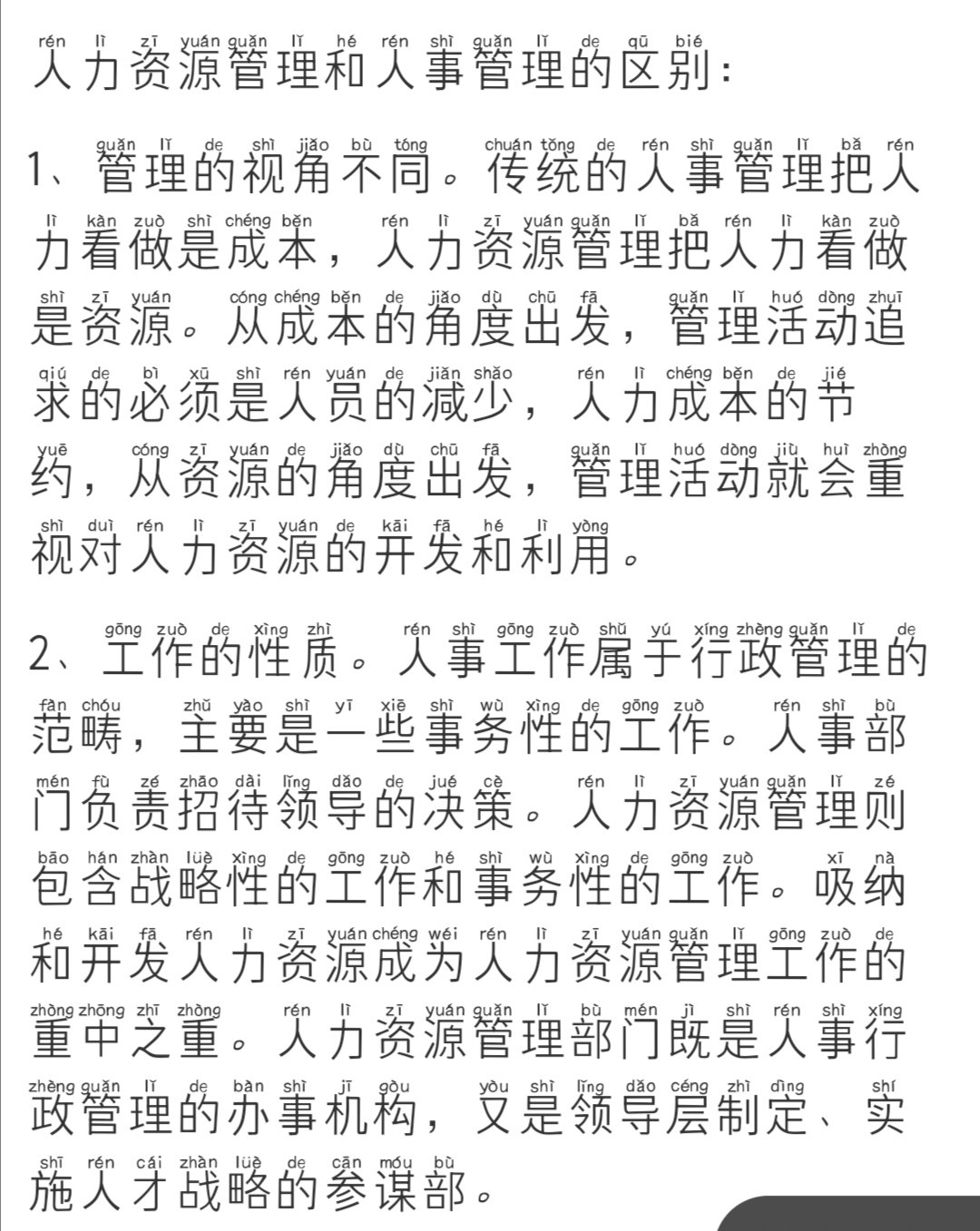
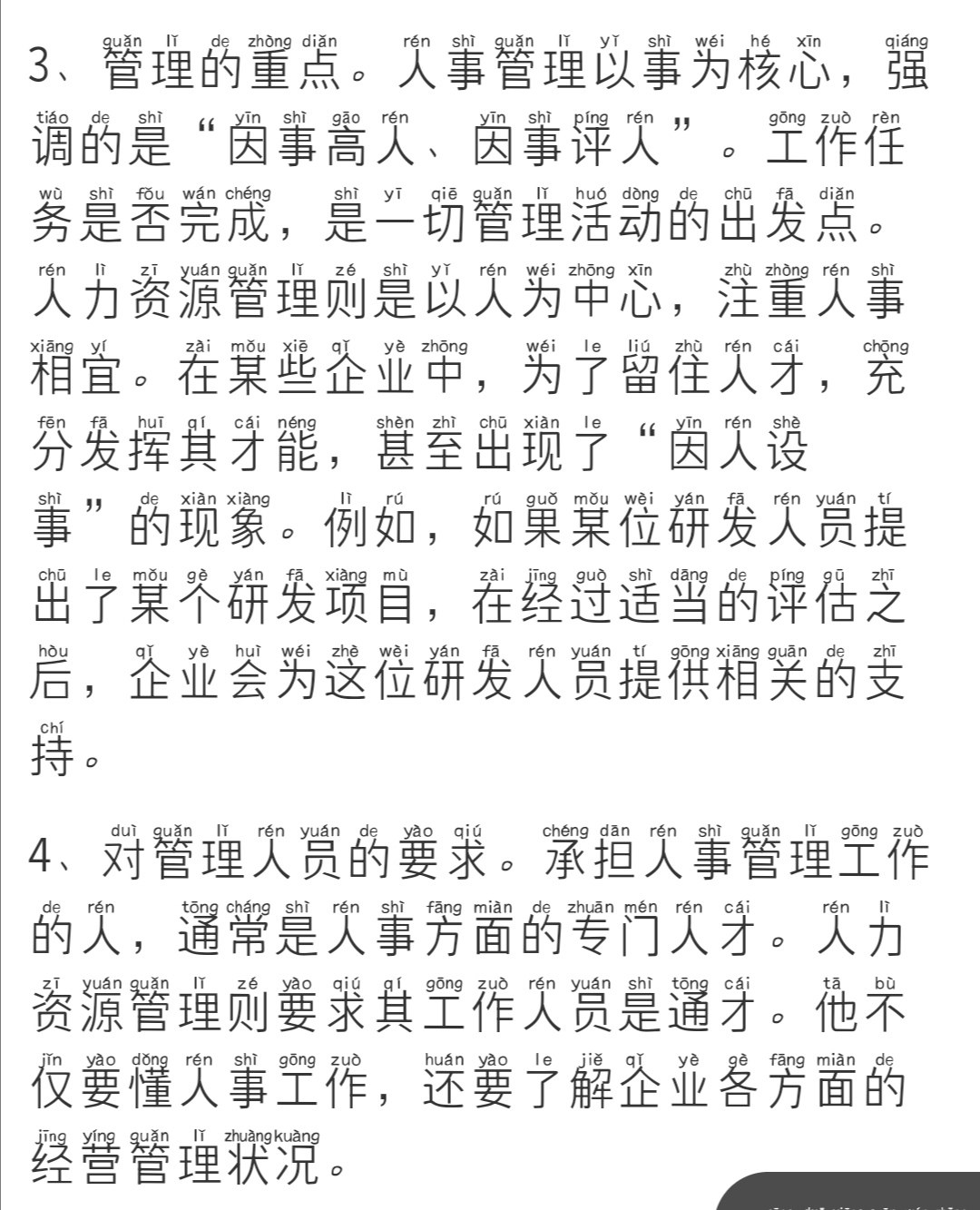
Everyone is a resource, is this right? Not necessarily. Here are some basic concepts in human resource management. 1. The concept of human resources 2. The concept of human resource management 3. The difference between human resource management and personnel management The data comes from Baidu.
Rating
Community(0)
Official(89)Scraped 2mo ago
Opening a new book! (Book club group 836685810)
Hope to meet you again or meet you in this book! I took the Human Resources Management Level 2 exam in 2011 and failed. I took one make-up exam in 2012 and passed it. I failed the intermediate economist exam in 2014. The first level of human resources examination in 2015 is the highest level. At that time, I was taking the intermediate economist exam and the human resources level one exam at the same time. Finally, it's all over. I still remember when I was taking the manpower level one test, I had a brand new gel pen refill. After I finished writing, it was not enough, so I took out another one... In fact, it's useless after taking the exam, hahaha. Purely self-pleasure! By the way, if you have taken this certificate, you can come and talk about it! Mmm~(^з^)-☆
Check-in building
How about building a check-in building here too? 😑😑😑😶😶😶
The concept of "Maslow's Hierarchy of Needs Theory" discussed in Chapter 1
Maslow's Hierarchy of Needs Theory, It is one of the theories of humanistic science. It can also be said that it is the basis for learning human resource management. It was proposed by American psychologist Abraham Maslow in his paper "Theory of Human Motivation" in 1943. The book divides human needs into five levels from low to high like a ladder. They are: physiological needs, safety needs, social needs, esteem needs and self-actualization needs. Only when people's lower-level needs are satisfied will they develop towards higher-level needs. As shown below:
Chapter 240's "Bucket Law"
Bucket law, also called bucket principle, or wooden bucket law, short board effect... It was proposed by Peter Drucker, the father of modern American management. His works have influenced generations of scholars and entrepreneurs who pursue innovation and best management practices. Various business management courses are also deeply influenced by Peter Drucker's ideas.
The Enneagram mentioned in Chapter 356
Sorry for adding pictures now, because I am really too lazy this year... The Enneagram is a very famous diagram, and it feels a bit like Leonardo da Vinci's famous human proportion diagram. In fact, people's personalities are often not single, but rather a blend of personalities in various proportions.
"Mushroom Management" discussed in Chapter 31
What kind of mushroom are you? The term Mushroom Management Law is said to have originated from a group of young computer programmers in the 1970s. Later it was extended to a management mentality of an organization or individual towards new entrants. Apprenticeship in ancient China is a typical phenomenon of "mushroom management". Apprenticeship systems no longer exist in most industries, but they still exist to a greater or lesser extent. Young people who are "fresh off their feet" or those who have arrived in a new unit or company have all experienced the experience of being "managed by mushrooms". The phenomenon of "mushroom management" exists and has its meaning.
SWOT analysis mentioned in Chapter 26
This SWOT analysis method can be used in many places. There are too many books on this topic, so go find them yourself if you are interested! . Figure 3, the rules summarize well, The key point is that in fact, everyone's analysis is different, which has something to do with everyone's thinking. Pictures and texts come from Baidu.
This book is about to be signed (not charging for listing, it's still early!)
Today, Wednesday, I finally received the signing notice. Then I have been procrastinating in writing these past few days. So embarrassing () = convex! Because the signing notice didn't come, I was depressed~ Then came, I continued to be lazy~ Just post a picture!
The word "search business" mentioned later in Chapter 25
I came across this term from an article on the "Youshu" public account. Although that article was actually an advertisement to promote a course, But this is the first time I see such a word, so I absorb it.
Some basic concepts about human resources in Chapter 107
Everyone is a resource, is this right? Not necessarily. Here are some basic concepts in human resource management. 1. The concept of human resources 2. The concept of human resource management 3. The difference between human resource management and personnel management The data comes from Baidu.
You Might Also Like

Who is Not a Little Fairy?
Shui Ningyou

Rebirth of Space: the Fierce Wife of the 1980s
Nian Xiaohua

Rebirth 90 Sweet Wedding
Purple Light

Rare Exclusive Love Marriage
Matcha

Kisses, Mr. Ji
Leaf Arbor

The Prophecy of the Queen is Shocking
Southern People

Reborn Female General
Qianshan Tea Guest

The Almighty Thousand Gold Burns to the Sky
Never Forget The Sound Of Virtue

She is a True Daughter, She is an All-round Boss
Qing Qian

Mr. Huo, Madam Went to the Overpass to Set up a Stall Again
Yirenhua