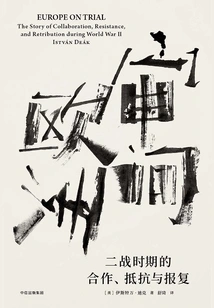
Interrogating Europe: Cooperation, Resistance and Retaliation During World War Ii
About This Novel
How one politician, Hitler, and one nation, the Germans, could completely change the face of an entire continent remains a mystery, but Germany's power is actually more limited than is generally recognized. Take the Jews as an example. Without the enthusiastic cooperation of many non-German Europeans, the Nazis would not have been able to achieve the final level of purges. On the contrary, without the resistance of many non-German Europeans, the survival of so many Jews would be unimaginable. Regarding the German Nazis, during World War II in Europe, national governments, local institutions, and individuals from different social classes all chose passive compliance, active cooperation, or resistance at different times. In this book, acclaimed historian Istvan Dick explores cooperation, resistance, and revenge during the Second World War. The author examines these three themes through the experiences of countries and peoples under German occupation and under Soviet, Italian, and other military rule. They faced many moral and ethical dilemmas. Should they cooperate with the occupiers, remain neutral in the war and survive, or risk their lives as resisters? Most people chose all three scenarios based on the different circumstances of the war at different times. The author discusses the purge of actual or suspected war criminals and wartime collaborators in the aftermath of the brutal war, primarily through a variety of violence, deportations, and judicial trials before the Nuremberg International Tribunal and numerous other local tribunals. This book is intended to help us understand the moral causes and consequences of wartime and postwar times.
Official Sources
What Readers Think
Rating
Community(0)
Rating
Community(0)
