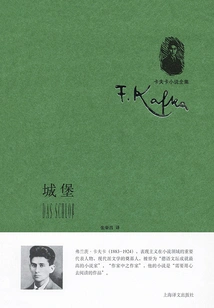
Castle
by Kafka
About This Novel
"The Castle" is the last of Kafka's three novels. It was written in 1922. The novel describes such a story: Land surveyor K was ordered to take up a post in a certain city, but he was unexpectedly blocked outside the castle gate. Therefore, K launched a long and cumbersome negotiation with the castle authorities over whether he could enter the castle. The castle is located on a hill in front of us, but it is just out of reach; it is so cold and majestic, like a giant beast looking down at K; it represents a huge bureaucracy with a strict hierarchy, countless departments and officials, and countless documents that are gathered there in dust, unattended and unprocessed for many years. Facing this powerful castle, K was helpless and failed to enter the castle until the end. The novel is shrouded in a mysterious and nightmarish atmosphere from beginning to end, with profound implications and endless evocative meanings.
Official Sources
What Readers Think
Rating
Community(0)
Official(8)Scraped 1mo ago
Frieda is really a frivolous woman. She still cherishes the loyalty of K. She is really a thief who shouts to catch the thief.
I felt like falling asleep while reading this book. It's so boring.
Is it a translation problem? Why does it become more boring the more I watch it?
This book is great
This book is shrouded in a mysterious and nightmarish atmosphere from beginning to end, making people seem to have seen the dark and bloody castle. The castle in the novel is an obvious metaphor.
The protagonist K in this book is a little man struggling in the face of fate. He always inexplicably falls into the traps carefully designed by the bureaucracy, but he is still a confused ordinary person.
Kafka, the author, never creates for anyone. He has no readers in his heart. There is only himself in his world. The fate of his characters is a condensation of his own fate. This book is also the same.
The castle of nothingness, the fate of mankind?
The plot seems to be ordinary, but in fact it is extremely profound, carrying the weirdness, absurdity and nihility of 20th century novels. The infinite allegorical nature contained in it provides the novel with infinite prophetic nature. On the whole, Kafka provides an imagination about the future possibilities of human living conditions and ways of living. He is the pinnacle of human imagination in the 20th century and the greatest prophet.
Rating
Community(0)
Official(8)Scraped 1mo ago
Frieda is really a frivolous woman. She still cherishes the loyalty of K. She is really a thief who shouts to catch the thief.
I felt like falling asleep while reading this book. It's so boring.
Is it a translation problem? Why does it become more boring the more I watch it?
This book is great
This book is shrouded in a mysterious and nightmarish atmosphere from beginning to end, making people seem to have seen the dark and bloody castle. The castle in the novel is an obvious metaphor.
The protagonist K in this book is a little man struggling in the face of fate. He always inexplicably falls into the traps carefully designed by the bureaucracy, but he is still a confused ordinary person.
Kafka, the author, never creates for anyone. He has no readers in his heart. There is only himself in his world. The fate of his characters is a condensation of his own fate. This book is also the same.
The castle of nothingness, the fate of mankind?
The plot seems to be ordinary, but in fact it is extremely profound, carrying the weirdness, absurdity and nihility of 20th century novels. The infinite allegorical nature contained in it provides the novel with infinite prophetic nature. On the whole, Kafka provides an imagination about the future possibilities of human living conditions and ways of living. He is the pinnacle of human imagination in the 20th century and the greatest prophet.