Fu Shouchun
by Li Shijiang
About This Novel
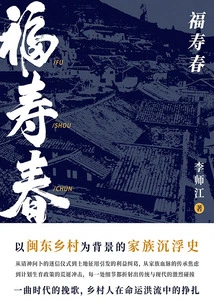
"Fu Shouchun" is set in the countryside of eastern Fujian, focusing on the ups and downs of the family of Li Furen, the Chang couple and their four sons - An Chun, Er Chun, San Chun and Xi Chun. The story begins with a brief period of prosperity when Erchun got married, but gradually declined due to the intertwining of economic pressure and human weakness. The eldest son, Anchun, was indolent and in debt; in the second spring, he went south to Guangzhou, but was in crisis due to misappropriation of family savings; in the third spring, he was idle and became a gangster in the countryside; while the youngest son, Xichun, tried to break free from the shackles of the land, but fell into deeper confusion. As the breadwinner of the family, Chang struggled with livelihood and ethics with the tenacity and shrewdness of a traditional peasant woman, but she gradually became unable to do so under the pressure of the times. The novel describes the "eternity" of rural life in a delicate way: from the superstitious rituals of asking gods for divination to the interest entanglements caused by land expropriation, from the anxiety of inheriting family blood to the absurd impact of the family planning policy, every detail reflects the fierce collision between tradition and modernity. The book has neither the pastoral filter nor the condescending criticism, but uses an almost line drawing method to present the struggle and compromise of rural people in the torrent of destiny. Just like Chang's contradictory behavior when fighting for compensation, it not only reveals the selfishness of human nature, but also contains the helplessness of survival, allowing readers to get a glimpse of the true background of the countryside in the blurred zone of "right and wrong." "Fu Shou Chun" ends with Li Furen finally converting to Buddhism, which is a metaphor for the dissolution and rebirth of the traditional rural spirit. This work is not only an elegy for the disappearing rural life, but also uses the unique writing style of "Eastern Soul and Western Skill" to integrate the readability of genre novels with the philosophy of pure literature. The book depicts the fate of three generations of the Chang family, which not only shows the warmth and shackles of traditional ethics, but also reveals the dual dilemmas of rural economy and faith under the wave of modernization.
Official Sources
What Readers Think
Rating
Community(0)
Rating
Community(0)