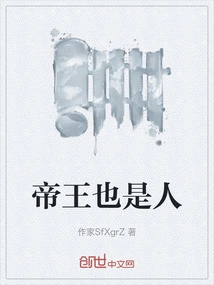
Emperors Are Human Too
by Writersfxgrz
About This Novel
We always have an inexplicable admiration and yearning when reading the poems "Qinhuang, Hanwu" and "Tangzong and Songzu" in the poem "Qinyuan Chun. Snow". Indeed, China has a very long history, and there are countless generals, ministers, Confucian scholars and warriors, some of whom are in the process of opening up territories and governing the country. Some emperors played a central role in the rejuvenation of the nation, and some did their best in foreign trade, cultural integration, and people's livelihood. However, there were also emperors who indulged themselves in enjoyment throughout their lives, regardless of the safety of the country and the survival of the people, allowing wars to break out and starvation everywhere. There were also emperors who were cruel and barbaric, and regarded the Officials and common people are like nothing, they kill people and prevent fire at every turn, and there is no humanity or humanity at all for their own selfish desires. In short, emperors are also human beings. Because of their growth environment, education level and the limitations of the feudal era, their performances are different, and some even have huge differences. The emperors were enlightened and self-disciplined, broad-minded, upright and caring for the people, such as Emperor Wen of the Han Dynasty Liu Heng, Emperor Taizong of the Tang Dynasty Li Shimin, and Emperor Taizu of the Song Dynasty Zhao Kuangyin. The purpose of this book is to clear away the fog of history and use an objective, rational and humanistic perspective to describe and depict the images of the aloof emperors in history. It strives to achieve comprehensive objectivity and a three-dimensional image, allowing readers to use a "human" perspective to look at the figures who once influenced history and dominated the situation, their fronts and sides, their positive and negative sides, so as to understand history and understand the past and the present.
What Readers Think
Rating
Community(0)
Rating
Community(0)
You Might Also Like
Emperor of Han Dynasty
The King Is No More Than A Hegemon
Driving the Rv Back to Datang
Drunk In The Flower Room. Cs
Reborn Female General
Qianshan Tea Guest
The Emperor of the Tang Dynasty Will Never Show Off His Cards
Anti-travel Cat
I
Wang Zijun
The First Minister of the Ming Dynasty
History Turns To Ashes
Li Zhi, Don't Be a Coward
Thieving Eyebrows And Rat Eyes
Being a Salted Fish in Hongwu
Fiery Red Chicken Fir
My Brother is the Most Handsome Man in the Qin Dynasty
Premium Cigarettes
The Good Saint Grandson of the First Emperor
It's March