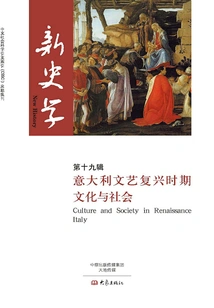
New Historiography·volume 19
About This Novel
Since the profession as a whole is undergoing a "cultural turn," these questions may be relevant to all categories of historians. Now may be an ideal time to raise this methodological question. This is because in the past ten years or so, there has been a strong collision between our epistemologies, and the most fundamental foundation of knowledge has been challenged. All historians have been affected, but these changes have had the greatest impact on cultural historians, who are more interested in how history is represented than in studying structure or process, and therefore must be most affected by discussions of how history itself represents itself. Furthermore, the field of cultural historians is connected or overlaps with that of literary researchers, and in this field epistemological discussions (or at least influences) have long been prevalent. However, many cultural historians have not paid attention to this discussion. Some are troubled by these questions, recognize their importance, but feel powerless because of a lack of expertise in philosophy (a skill that is not generally considered standard in the historian's arsenal). But for me, it may not be appropriate to say that, at least most of us are exhausted at work because of these problems. Over and over again we hear assertions that know next to nothing about history and have nothing new to say, so we are prepared to make compromises and can only begin to reconstruct what we know and can say. Since we can no longer ignore the theories that history has developed so far, and we cannot adopt an arrogant attitude towards it, we can only engage in this undertaking with caution and moderation.
Official Sources
What Readers Think
Rating
Community(0)
Rating
Community(0)
