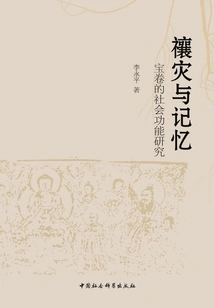
Disaster Relief and Memory: a Study of the Social Function of Baojuan
by Li Yongping
About This Novel
Baojuan is an oral tradition after the Middle Ages, which used popular rhymes, poems, gathas, Qupai, cross Buddhas, etc. To compile a text to explain certain religious doctrines in order to encourage good deeds and prevent disasters. People's fear of plagues, natural disasters, and wars, their desire for good fortune and happiness, and their conscious responsibility have created a moral religion of self-cultivation. Correcting "pollution" and resolving "disasters" are the mythological and conceptual foundations of disaster relief narratives and "meeting" rituals. As a spiritual representation and collective memory of the nation's past, Baojuan constructs our living conditions and the starting point of our morality. The key link in the formation of social group memory lies in the canonization of texts and rituals. The media of cultural memory include oral announcements, text copying, printing, blessings, and exorcism rituals, etc. Baojuan is an "ethnography" with these memory types, and it constructs an "imagined community."
Official Sources
What Readers Think
Rating
Community(0)
Rating
Community(0)